


- Budget 2026 protects the social wage while projecting debt stabilisation at 78.9 percent of GDP, but debt service costs of R432.4 billion continue to consume over 21 percent of revenue and limit development space.
- Economic growth remains modest at between 1.4 and 1.6 percent in the near term, raising questions about whether fiscal consolidation alone can meaningfully reduce unemployment, poverty and the national debt burden.
- Tax relief measures and VAT threshold reforms offer moderate support to households and small businesses, yet implementation, governance and sustained growth will determine whether this Budget delivers tangible change.
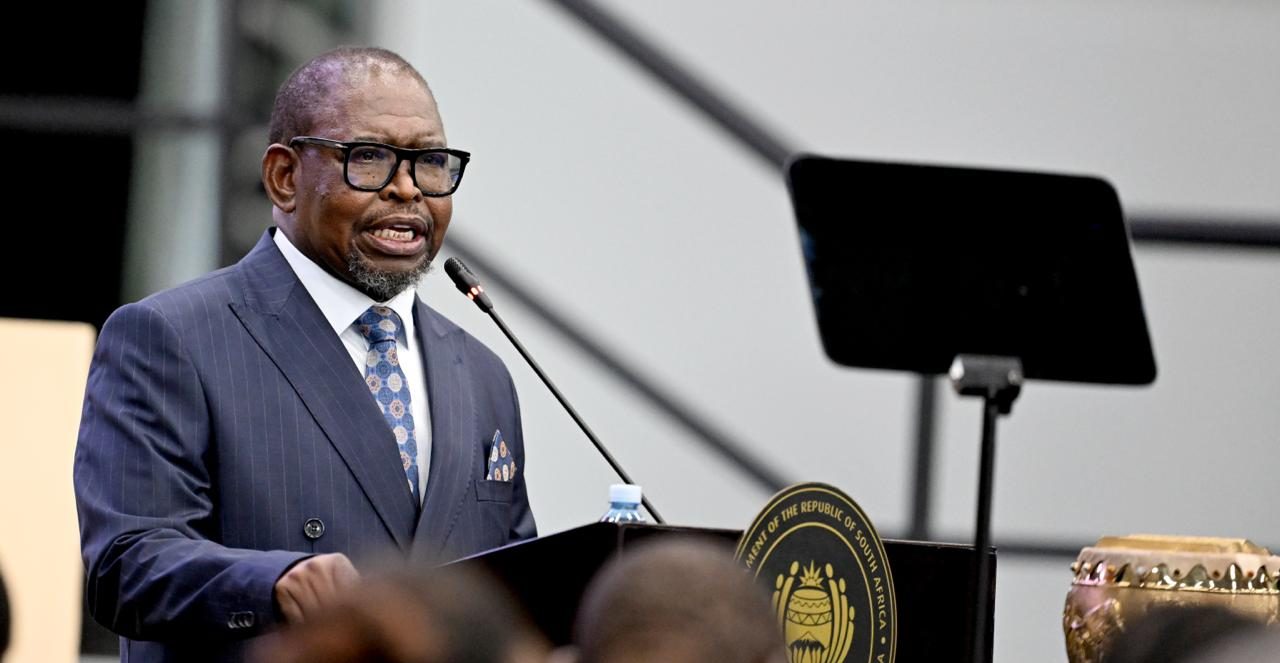
The 2026 Budget Speech delivered by Finance Minister Enoch Godongwana arrives at a delicate moment for South Africa’s economy. Growth remains modest, public debt is stubbornly high, and households continue to struggle with the rising cost of living. The central issue raised by Budget 2026 is whether it signals a genuine fiscal turning point or simply represents more careful management of existing pressures.
Fiscal position and the social wage
A national budget is more than a financial statement. It reflects government priorities and translates policy commitments into real allocations through the Appropriations Bill, the Division of Revenue Bill and related tax legislation. Budget 2026 outlines total spending of R2.67 trillion for 2026 to 2027. Of this amount, R1.58 trillion is allocated to social services.
Education receives R527.2 billion, health R310 billion, social development R446.6 billion and community development R294.3 billion. These allocations confirm that the social wage remains central to government policy. In a country marked by persistent inequality and unemployment, protecting these expenditures is critical for social stability and public confidence.
Yet debt service costs stand at R432.4 billion. This amount is directed toward servicing past borrowing rather than expanding infrastructure or stimulating economic activity. Every rand allocated to interest payments reduces fiscal space for development priorities.
Debt trajectory and fiscal credibility
The Minister has characterised Budget 2026 as a turning point anchored in a principle-led fiscal framework. Debt to GDP is expected to peak at approximately 78.9 percent before gradually declining. The consolidated budget deficit is projected at 4 percent of GDP and is expected to narrow to about 3.1 percent over the medium term. The government anticipates achieving a primary surplus where revenue exceeds non-interest expenditure.
These projections are important for investor confidence and financial market stability. However, recent history demonstrates that debt forecasts have been revised upward on multiple occasions. Economic growth remains weak, projected at between 1.4 and 1.6 percent in the near term. When growth remains subdued, debt ratios decline slowly even under disciplined spending conditions.
Fiscal consolidation alone cannot resolve the debt challenge. Sustainable debt stabilisation requires stronger economic expansion. Without improved growth performance, the burden of debt remains heavy and constrains future policy flexibility.
Debt service costs currently consume more than 21 percent of revenue. Although this ratio is expected to ease slightly, it remains elevated. South Africa continues to spend more on interest payments than on many core development priorities, limiting fiscal manoeuvrability.
Growth projections and implementation risks
The government projects that economic growth will gradually improve to around 2 percent by 2028. This outlook is supported by planned public infrastructure investment exceeding R1 trillion over the medium term, alongside structural reforms in energy, transport and tourism.
Reliable electricity supply, efficient logistics networks and strengthened investor confidence are fundamental to economic recovery. However, growth of 1.6 percent does not meaningfully reduce unemployment or poverty. For debt to decline significantly and living standards to improve, sustained growth above 3 percent is required. Across sub-Saharan Africa, average growth is projected at approximately 3.8 percent, indicating that the broader region is expanding at a faster pace than South Africa.
Infrastructure spending is a constructive element of Budget 2026. Capital formation enhances long-term productivity and competitiveness. Nevertheless, implementation capacity remains decisive. Municipalities responsible for frontline service delivery often face governance and financial management challenges. Without strengthened oversight and accountability, increased allocations may not translate into visible improvements for communities.
Relief measures and business support
Budget 2026 provides moderate relief to taxpayers. A previously anticipated R20 billion tax increase has been withdrawn. Personal income tax brackets and rebates are adjusted in line with expected inflation of approximately 3.4 percent after two years of frozen thresholds. This prevents bracket creep and protects real incomes.
Medical tax credits are similarly adjusted for inflation, preserving purchasing power rather than expanding it. The annual tax-free savings account limit increases from R36,000 to R46,000, encouraging household savings. Retirement fund deduction limits also rise, reinforcing incentives for long term financial planning.
Small and medium enterprises receive support through an increase in the compulsory VAT registration threshold from R1 million to R2.3 million from April 2026. This measure reduces compliance costs and administrative burdens for smaller businesses and may encourage entrepreneurial activity.
However, businesses that are not VAT registered may appear more expensive to VAT registered clients unable to claim input credits. While the reform reduces red tape, commercial dynamics remain complex.
Excise duties on tobacco and alcohol increase broadly in line with inflation, and fuel levies rise modestly. These adjustments avoid significant price shocks but do little to ease the broader cost of living pressures affecting households.
Delivery will determine the outcome
Revenue collection performance has been resilient, reflecting improvements in tax administration. Illicit trade continues to threaten both revenue and legitimate business activity, requiring sustained enforcement and coordination.
Ultimately, the credibility of Budget 2026 depends on execution. Fiscal anchors and narrowing deficits may reassure markets, but citizens evaluate budgets through lived experience. Service delivery, employment opportunities, safe communities and functioning infrastructure remain the tangible measures of success.
Budget 2026 is cautious and technically disciplined. It protects the social wage, avoids abrupt tax increases and introduces targeted relief for households and businesses. Yet debt remains elevated, growth remains modest, and interest costs absorb a substantial share of revenue.
If projected debt stabilisation materialises and reforms translate into measurable improvements, Budget 2026 may represent a genuine fiscal turning point. If growth underperforms and implementation falters, stabilisation will remain aspirational. The ultimate test of Budget 2026 lies not in fiscal projections but in whether it improves the lived reality of ordinary South Africans.
Get your news on the go. Click here to follow the Conviction WhatsApp channel.
