


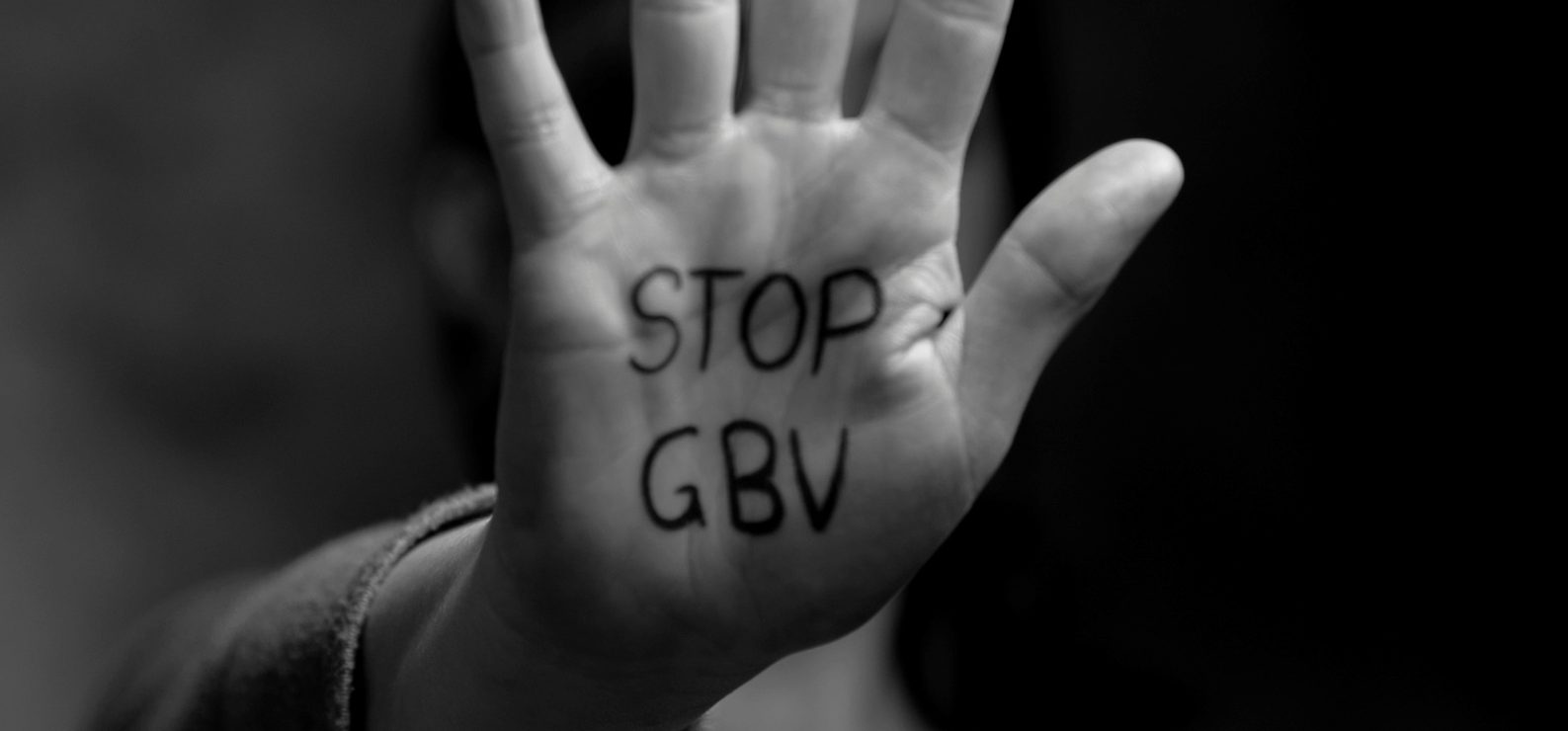
- Accused’s suspended sentence for domestic assault and firearm possession overturned.
- High Court orders referral to regional court where 10-year minimum sentence applies.
- Decision brings renewed hope for survivors that justice will not overlook their pain.
For one woman in Hoopstad, the nightmare of domestic abuse did not end when her former partner pleaded guilty in court. After enduring repeated blows from a man she once trusted, she faced the added humiliation of seeing the legal system impose only suspended fines and prison terms on her abuser.
For her, the sentence felt like a cruel minimisation of the trauma she had suffered, a system failing to fully recognise the severity of the violence. However, the Free State High Court offered a long-awaited glimmer of hope.
In a decisive ruling, the court set aside the district court’s lenient sentence and referred the matter to the regional court for proper sentencing under South Africa’s mandatory minimum sentencing laws. The decision sends a clear message: domestic violence, particularly in intimate relationships, must be treated with the seriousness it deserves.
The case and the law
The accused, Marcel Fourie, was convicted on 27 November 2024 of assault with intent to cause grievous bodily harm (GBH) against his former live-in partner and unlawful possession of a firearm. The attack, which took place on 5 May 2023, left the complainant bruised and shaken. Under section 51(2)(b) of the Criminal Law Amendment Act, a first offender convicted of assault GBH in a domestic setting must receive a minimum sentence of 10 years’ imprisonment.
The district court, however, imposed suspended fines and imprisonment, a decision that exceeded the court’s jurisdiction. The case was referred to the High Court under section 304(4) of the Criminal Procedure Act for a special review, highlighting the mismatch between the law’s requirements and the sentence delivered.
Why the High Court intervened
The judges emphasised that Parliament’s enactment of minimum sentences is a deliberate response to the escalating levels of gender-based violence in South Africa. The court made it clear that failing to enforce these minimums would undermine not only the law but also public confidence in the justice system.
While the State had expressed concern that sending the case back for sentencing might prejudice the accused, the High Court held that the law must take precedence. The court ruled that the district court’s error could not be excused and that the accused must now face sentencing in full compliance with the statutory framework.
The court also confirmed that, under the Firearms Control Act, Fourie is automatically declared unfit to possess a firearm, reinforcing the protective measures intended for victims of domestic violence.
Conviction.co.za
Get your news on the go. Click here to follow the Conviction WhatsApp channel.
