


- The organisation says expectant parents need accurate, balanced and current information after a prenatal diagnosis of Down syndrome.
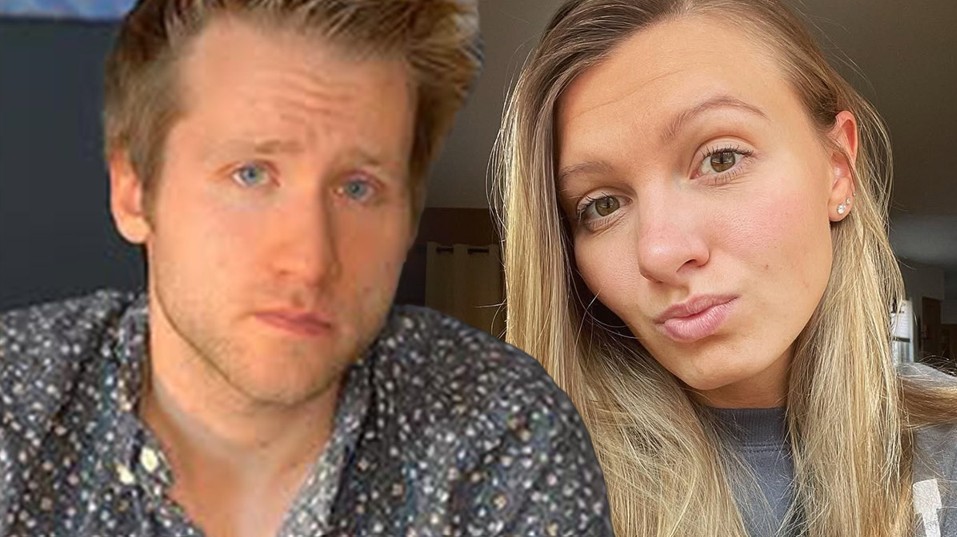
- This call comes after an international debate sparked by an American couple who chose to terminate a pregnancy after learning their unborn child had Trisomy 21, commonly known as Down syndrome.
- The organisation says making informed decisions means having access to the full picture, including support systems, opportunities, and real-life experiences.
Down Syndrome South Africa (DSSA) wants expectant parents to receive accurate, balanced and current information when Down syndrome is diagnosed during prenatal genetic testing.
This follows a recent social media post by American couple Jesse and Ashley Ridgway, who shared that they had decided to terminate their pregnancy after learning their unborn child had Trisomy 21, or Down syndrome.
The Ridgways explained that while they were ready to become parents, they did not feel equipped for what they believed would be the realities of raising a child with Down syndrome.
“When I first got this news, I was shocked but optimistic. I thought if our child was a little slower intellectually, we’d make it work. I signed up to be a parent, no matter what, but I just didn’t fully understand what Down syndrome meant,” the husband wrote.
“Once we shared our story, it was clear that most people don’t know what Down syndrome is (and no, it’s not the same as autism),” he added.
The couple said they consulted doctors, friends, family and genetic counsellors before deciding. They also said they learned that about 90 percent of women choose to terminate a pregnancy after a prenatal diagnosis of Trisomy 21. Their post sparked a huge debate online, drawing both support and criticism.
Debate around disability and reproductive choice
While the decision to end a pregnancy is a personal one, the reasons behind it continue to spark discussion, especially when disability is involved.
Victoria Satchwell of Abortion Support South Africa says South African law provides clear provisions regarding access to abortion services.
South African law allows a pregnant person to choose an abortion for any reason up to 12 weeks and six days of pregnancy. If there is a severe malformation of the fetus, the pregnancy can be ended after 20 weeks and six days.
“This means the law allows for termination in cases of fetal anomaly at any stage of pregnancy, depending on the circumstances,” she explained.
Getting a prenatal diagnosis of Trisomy 21 can leave expectant parents feeling overwhelmed, anxious and uncertain about the future. However, groups supporting people with Down syndrome say access to balanced information is essential for families to make informed decisions.
Families deserve the full picture
Elaine Passmoor from Down Syndrome South Africa said the way information is shared with families after a diagnosis can have a big impact on how they understand the condition.
“For families, getting a prenatal or postnatal diagnosis can be unexpected and emotional. The information healthcare professionals share in those first conversations can have a lasting effect on how families see Down syndrome and the possibilities for their child,” she said.
Passmoor also said that discussions about Down syndrome are often framed mostly through a medical perspective.
“Too often, information focuses on challenges, complications and limitations, but doesn’t equally highlight the opportunities, support systems, achievements and quality of life that many people with Down syndrome and their families experience. Families deserve the full picture.”
She said DSSA believes every family has the right to get balanced information, connect with support networks and hear directly from people living with Down syndrome and their families.
“Families can only make informed decisions when information is accurate, current and free from outdated stereotypes and assumptions,” she said.
Get your news on the go. Click here to follow the Conviction WhatsApp channel.
