






- A man was convicted of driving under the influence and sentenced to three years’ direct imprisonment despite never being asked to plead.
- The High Court found multiple procedural irregularities, including the failure to put the charge to the accused and obtain a lawful plea.
- After a seven-year delay, the judges refused to order a new trial and acquitted him.
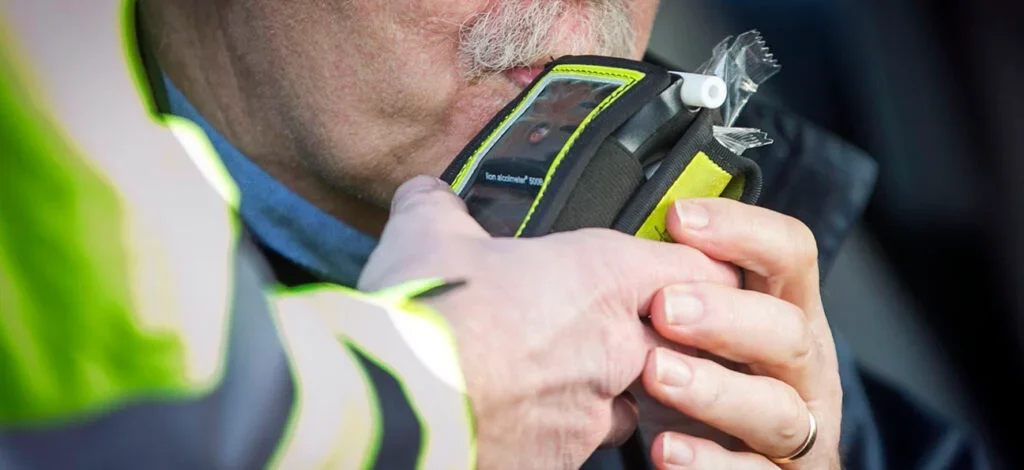
A Western Cape magistrate convicted a man of driving under the influence of alcohol and sentenced him to three years’ direct imprisonment without ever formally putting the charge to him or asking him to enter a plea, a fundamental procedural failure that the High Court has now ruled rendered the entire trial unlawful.
The judgment arose from the case of Samuel September, whose appeal against sentence exposed serious irregularities in the plea proceedings. Acting Judge S Yake, with Judge CM Fortuin concurring, held that the conviction violated the accused’s constitutional right to a fair trial and could not be allowed to stand.
A three-year prison sentence for drunk driving
September first appeared in the Calitzdorp Magistrate’s Court on 28 July 2019 on a charge of contravening Section 65(1)(a) of the National Road Traffic Act by driving a motor vehicle while under the influence of alcohol.
When the matter returned to court on 2 October 2019, his attorney informed the magistrate that the defence intended to tender a guilty plea in terms of section 112(2) of the Criminal Procedure Act. The lawyer then read a written plea statement into the record.
Instead of asking September how he pleaded, the magistrate turned to the prosecutor and asked whether the State was satisfied with a plea to what he described as “drunken driving.” After the prosecutor indicated that the State accepted the plea, the magistrate immediately convicted September. He was sentenced to three years’ direct imprisonment, and his driving licence was cancelled.
During sentencing, the magistrate considered September’s personal circumstances. He was 49 years old, unmarried and the father of seven children, three of whom depended on him financially. The court also heard that he survived on a monthly grant of R1 700 and needed his driver’s licence to transport one of his children to school.
Those factors were weighed against aggravating circumstances. September’s blood alcohol concentration was four times the legal limit, and he had two previous convictions for the same offence, both of which had resulted in wholly suspended sentences. The magistrate concluded that only direct imprisonment was appropriate.
The appeal stalled for nearly seven years
September applied for leave to appeal on 17 October 2019. Leave was granted, and he was released on R700 bail pending appeal.
A notice of appeal was filed in March 2021, and the matter was ready to be heard that year. However, it was struck from the roll because the Legal Aid attorney failed to appear.
During the appeal, the State revealed that prosecutors sent numerous communications to Legal Aid South Africa between 2021 and 2023 in an attempt to have the matter enrolled again. Despite those efforts, the appeal was only heard in August 2026.
Judge Yake later found that the prolonged delay reflected a collective failure by both the prosecuting authority and Legal Aid South Africa to bring the matter to finality, and that the delay was not attributable to September.
Defence and State argued different issues
The defence argued that the sentencing court had placed excessive emphasis on the seriousness of the offence while failing to give sufficient weight to September’s personal circumstances. Counsel submitted that correctional supervision or another non-custodial sentence should have been considered and argued that imprisoning him nearly seven years later would not serve the interests of justice.
The State opposed the appeal, maintaining that the magistrate had correctly imposed direct imprisonment after considering all relevant factors. Prosecutors argued that the appellant had been legally represented, had understood the written plea statement, and that delay should never become a basis for escaping punishment.
The High Court ultimately agreed with the State that the sentencing magistrate had not misdirected himself when imposing the three-year sentence. But that was not the end of the matter.
The conviction was fatally defective
While considering the appeal, the judges discovered that the conviction itself rested on proceedings that never lawfully commenced.
Judge Yake found that the prosecutor never formally put the charge to September as required by Section 105 of the Criminal Procedure Act. He was never called upon to enter one of the recognised pleas under section 106, and the magistrate never asked him whether the written plea statement reflected his own instructions or admissions.
Instead, the magistrate directed his enquiry to the prosecutor rather than the accused. The court held that these omissions were not technical defects but fundamental safeguards that ensure an accused person understands the charge, appreciates the consequences of pleading guilty and voluntarily admits every element of the offence.
The judgment also identified that the J175 charge sheet was never endorsed by the magistrate to record the plea, conviction and sentence, further undermining the reliability of the proceedings.
Judge Yake found that the cumulative effect of these irregularities meant the plea process was legally invalid and the conviction unsustainable.
Why there was no new trial
Ordinarily, a conviction tainted by procedural irregularities would be set aside, and the matter returned to the magistrate’s court for a trial to begin afresh. The High Court refused to do that.
By the time the appeal was decided, September was 57 years old and had lived under the shadow of unresolved criminal proceedings since 2019. The judges held that forcing him to stand trial again after almost seven years would be manifestly unfair and incompatible with the constitutional right to have criminal proceedings concluded without unreasonable delay.
Judge Yake said the principle that justice delayed is justice denied was not merely an aphorism but a foundational component of a fair trial.
Get your news on the go. Click here to follow the Conviction WhatsApp channel.


