


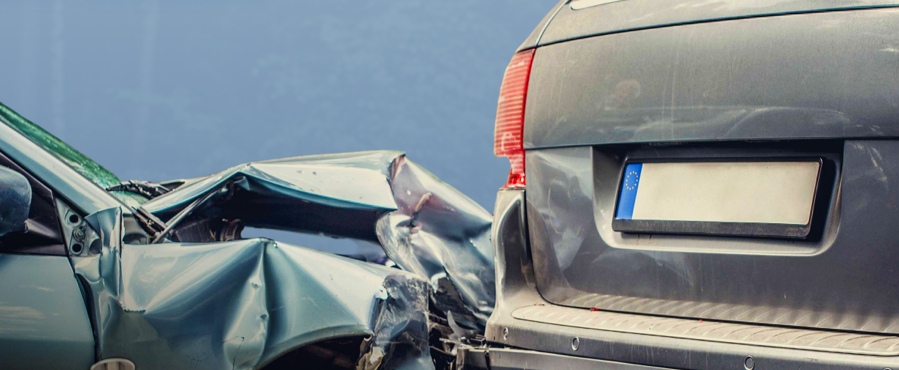
- A young driver’s insurance claim was denied when evidence showed he was under the influence of alcohol.
- Insurers relied on several sources, including witness statements, medical records, and tracking data, rather than relying solely on blood or breath tests.
- This case highlights the serious financial and legal risks of drinking and driving. These consequences affect both your vehicle and any damage you may cause to others.
Shortly after 1am, a young driver collided with another vehicle while trying to overtake. The driver insisted he had only drunk one draught beer after shooting practice and a milkshake at a café with his girlfriend.
He also said that a later altercation with car guards, during which he was stabbed, could explain any signs of alcohol on him.
The insurer, however, relied on other evidence. A tow truck driver described the young man as clearly under the influence of alcohol. Medical records from the attending doctor noted that he was clinically intoxicated and smelled strongly of alcohol. The doctor specifically recorded ethanol influence, which refers to the alcohol found in drinks.
Despite the driver’s claim that hand sanitiser and brandy consumed after the accident could explain the smell of alcohol, the Non-life Insurance Division of the National Financial Ombud Scheme upheld the insurer’s decision. The Division considered the driver’s actions before the accident, the way the accident happened, and the doctor’s findings. They concluded that the claim should be denied based on the balance of probabilities.
Evidence matters, and insurers have flexibility
Edite Teixeira-Mckinon, Lead Ombud of the Non-life Insurance Division, explained that insurers do not have the same proof requirements as criminal courts. Insurers can rely on various types of evidence, including witness accounts, medical records, location and tracking data, or even the insured’s own statements, to decide if alcohol was involved.
The financial impact of a denied claim is substantial. It goes beyond repairs to your own vehicle and includes responsibility for damages to third parties. Additional policy exclusions, such as leaving the scene of an accident or providing false information about what happened before the accident, can further jeopardise a claim.
Think before you drink and before you drive, Teixeira-Mckinon urged. She reminded drivers that choices made in a single night can have long-term effects on both safety and finances.
Get your news on the go. Click here to follow the Conviction WhatsApp channel.


