


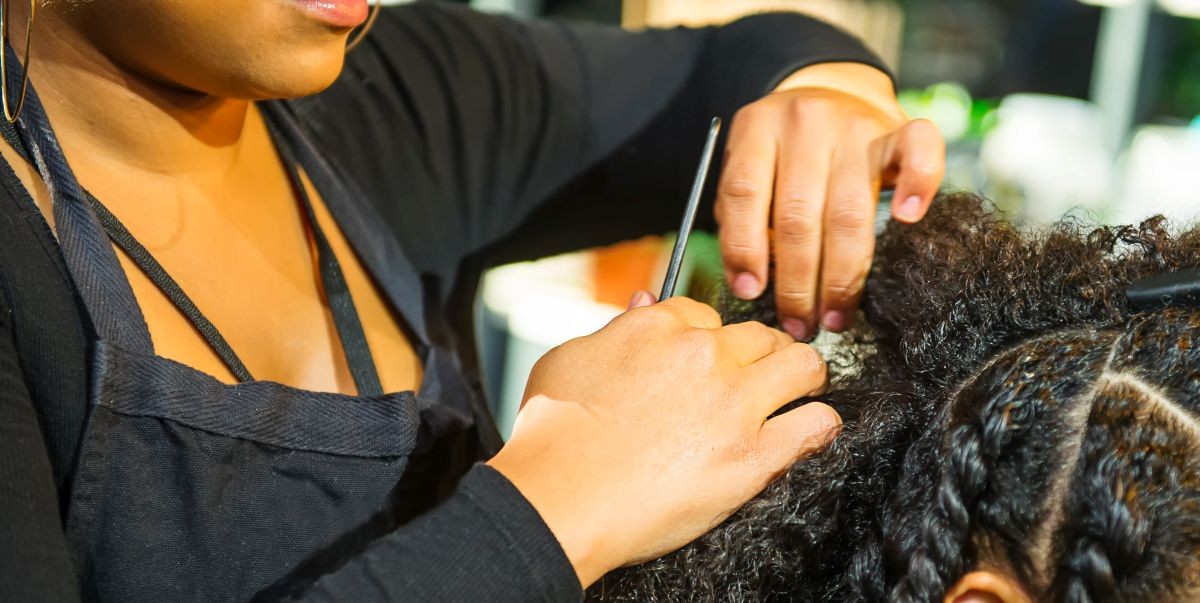
- Prudence Dibakoane lost two fingers on her right hand in a road crash near White River.
- She says her slower work pace cost her clients and destroyed the income she had spent years building.
- The case exposed the harsh reality of proving cash earnings in South Africa’s informal economy.
Prudence Dibakoane made a living with her hands. Every braid, every weave and every hairstyle brought another client through the door at Split Ends Salon in White River, where she earned about R6 200 a month through a combination of bank payments and cash.
That livelihood changed forever on 26 March 2022 when she was a passenger in a vehicle travelling on the R40 near White River. The collision left her seriously injured, and she was admitted to Kiaat Hospital, where doctors amputated her right middle and ring fingers. She also suffered a back injury that kept her away from work for an entire year.
Returning to the salon was never the same because the speed that had built her reputation had disappeared.
One client at a time
When Dibakoane finally returned to work, her monthly income had dropped to R3 200. She could still braid hair, install artificial hair and apply make-up, but every appointment took longer to complete than it had before the crash.
She told the High Court in Mbombela that loyal clients gradually stopped waiting for her and chose hairdressers who could finish faster. She estimated that she was losing about 10 clients every month because of the permanent injury to her hand.
Rather than abandon the profession she loved, Dibakoane started her own business in October 2024 by renting a chair at Vivian Salon in White River. She paid R2 000 in monthly rent while covering the cost of hair products, shampoo, razors and transport herself.
The business initially earned about R9 800 a month before declining to around R8 000 as fewer returning clients filled her appointment book. To keep up with demand, she even hired another woman to wash clients’ hair while she concentrated on styling.
The battle over cash income
The court was asked to determine not only whether Dibakoane had suffered life-changing injuries, but whether someone whose income came partly in cash could prove what her career had been worth.
The Road Accident Fund challenged her earnings because she had no formal payslips and was not registered for UIF or tax. Dibakoane explained that part of her salary was deposited into her bank account while overtime and additional earnings were routinely paid in cash, which reflected the reality of many salon workers.
Evidence from occupational and industrial experts showed that although she remained capable of working, her reduced hand function made her a slower and less competitive hairdresser in the open labour market. Her injuries had not ended her career, but they had permanently reduced her ability to earn.
The order
Acting Judge TS Ngwenya ordered the Road Accident Fund to compensate Dibakoane for her past and future loss of earnings. Her claim for general damages was postponed pending the outcome of the serious injury assessment process.
Get your news on the go. Click here to follow the Conviction WhatsApp channel.
