


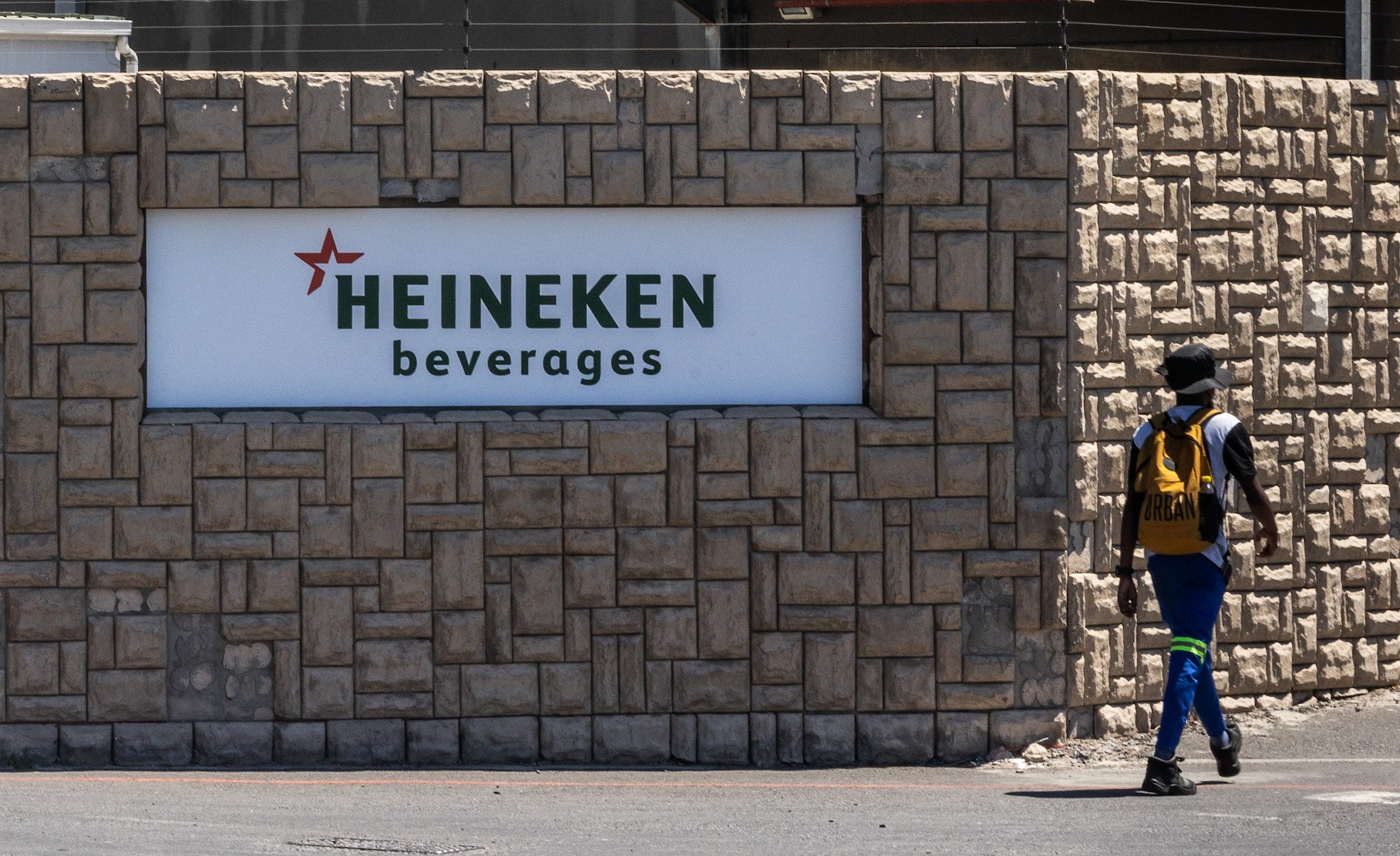
- The Labour Court found that Heineken unlawfully withheld bonuses from employees who participated in a protected strike.
- Judge C Lagrange ruled that employer policies cannot justify discrimination without a clear and proportional business reason.
- The court ordered Heineken to calculate and pay bonuses to affected employees as if they had not been disqualified, with no costs awarded.
The Labour Court in Cape Town has ordered Heineken Beverages to pay bonuses to 39 employees who were excluded from the Short-Term Incentive payout for participating in a protected strike in February 2023. Judge C Lagrange found that withholding bonuses solely because of strike participation was in breach of the Labour Relations Act (LRA).
Heineken’s internal notice to employees had stated: “Employees who opt to take part in industrial action will be disqualified from the Short-Term Incentive payable as they would no longer meet the participating criteria as per the company's Short-Term Incentive policy. The company reserves the right to withhold or cancel Short-Term Incentive payments to those employees who choose to participate in the strike, as per the company's Short-Term Incentive policy.”
Trade union Solidarity challenged this, describing it as “nothing less than discrimination for exercising a fundamental right” and cited Section 5(1) of the LRA, which states that, “No person may discriminate against an employee for exercising any right conferred by this Act.”
Policy alone does not justify disqualification
Heineken argued that its Short-Term Incentive policy excluded employees engaged in industrial action and that workers were warned. Judge C Lagrange rejected this. The judge ruled: “…the onus rests on Heineken to demonstrate, notwithstanding that it differentiated between strikers and non-strikers when deciding to pay the bonus, that the reason it did so was justified. It needed to demonstrate that it was a suitable and proportionate response.”
The judgment noted that Heineken “provided no details of the impact its denial of the bonus would have on strikers or on incentivising workers not to strike.” Judge Lagrange added: “In the absence of any explanation of how the loss of the bonus was a proportionate measure to deter strike action by Solidarity members, which was confirmed by Heineken before the strike even commenced, there was no explanation why it was considered a proportionate response to completely deny strikers the bonus when the strike ended after only two days.”
Ruling reinforces the right to strike
Judge Lagrange observed that the only reason for denying the bonus was participation in a protected strike, a right the law was designed to protect. "Without a clear, proportional business justification, this was not allowed,” Judge Lagrange said.
The court referenced recent cases, including Safcor Freight and Cullinan Diamond Mine, clarifying that any differentiation between strikers and non-strikers must be suitable and proportional to a legitimate business purpose. Blanket financial penalties without justification are unlawful.
Court orders payment of withheld bonuses
Judge Lagrange ordered Heineken to provide full details of the Short-Term Incentive bonus calculation and to pay the bonus to each affected employee as if they had not been disqualified from receiving it because they participated in a strike. No costs were awarded.
“I am not satisfied Heineken has provided an adequate defence to justify why withholding the Short-Term Incentive bonus was not in breach of sections 5(1), 5(2) (vi) of the LRA,” said the judge.
Get your news on the go. Click here to follow the Conviction WhatsApp channel.


