


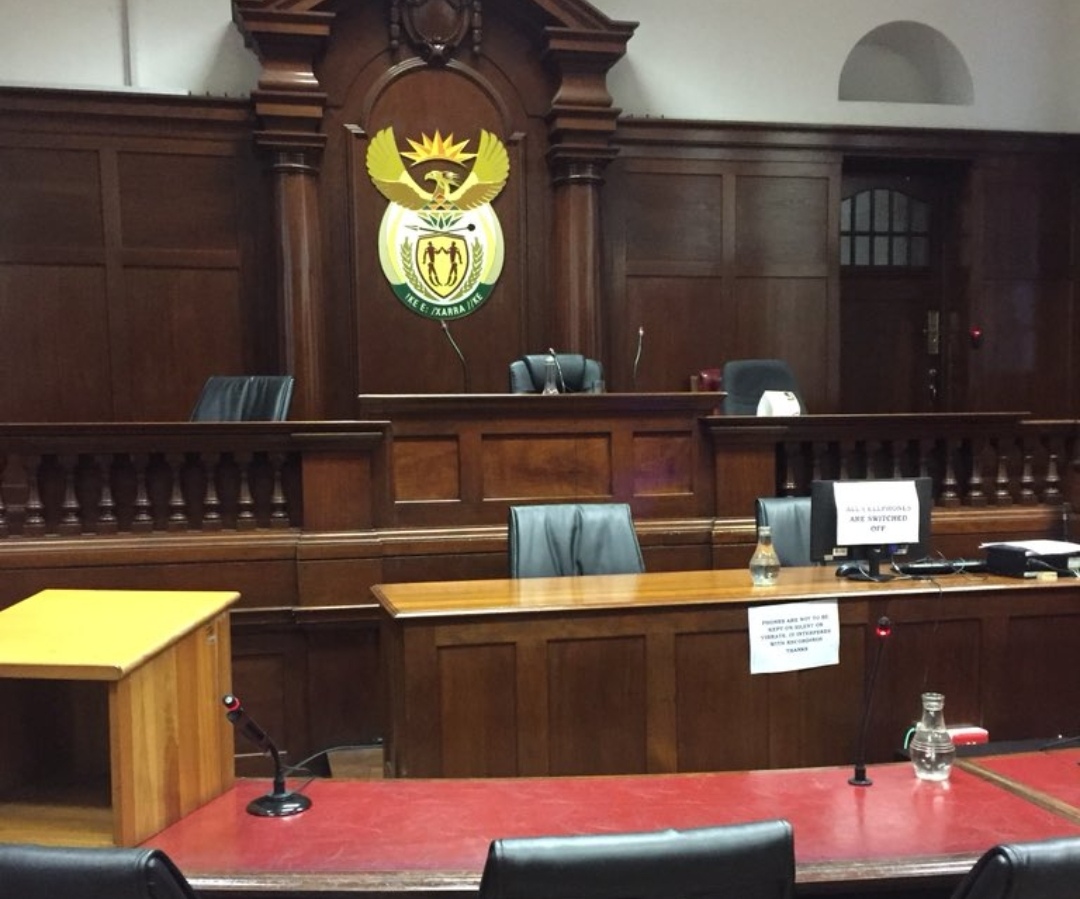
- The High Court found no credible or reliable evidence that the father sexually abused his son, following a thorough review of expert reports and testimony.
- The mother’s application to suspend all contact between father and child was dismissed, with the court ordering her to pay the legal costs due to the lack of substantiated claims.
- The judgment underscores the importance of a fact-based and expert-driven approach in child welfare disputes, cautioning against the disruptive effects of unfounded allegations on both children and parents.
The Durban High Court has ruled that there was no proof that a father sexually abused his minor son. This ruling ends a painful custody battle filled with suspicion, conflicting reports, and months of litigation.
Judge A Notyesi, in the judgment delivered on 28 October 2025, stated that the mother’s allegations were unfounded and that the father should continue having contact with the child under a structured arrangement.
The mother accused the father of sexual abuse and requested the court to end all contact. The father denied the claims, calling them “a devastating fabrication that tore apart my bond with my child.” A criminal case against him was dropped by prosecutors due to a lack of evidence, but the civil case proceeded in family court.
Expert findings and credibility of evidence
The judgment relied heavily on reports from the Family Advocate, a SAPS social worker, and a court-appointed forensic psychologist. Each of these experts concluded that there was no reliable evidence supporting the abuse allegations.
The Family Advocate reported that the child “appeared comfortable and affectionate around his father,” which contradicted the trauma described by the mother. The SAPS social worker found a high likelihood that the child “had been coached or influenced in describing the alleged abuse.”
In contrast, the expert reports relied upon by the mother were described by the court as “methodologically weak” and “lacking in fairness.” Judge Notyesi pointed out that some of these reports were created without interviewing the father or verifying the allegations.
“Allegations of sexual abuse are among the most serious any parent can face,” wrote Judge Notyesi. “Their seriousness cannot replace the need for credible proof.”
Balancing protection and fairness
The court rejected the mother’s request to refer the case for oral evidence, finding no real factual dispute that required a trial. It also denied her main application to suspend contact, ordering her to pay costs.
Judge Notyesi reaffirmed that the best interests of the child are the primary factor. “This court’s duty is to protect the child’s welfare through truth, not speculation,” he said. “The disruption of a parent-child relationship is a drastic remedy and cannot be based on suspicion or tactical litigation.”
The judgment established a phased contact plan that begins with supervised visits, gradually moving to unsupervised contact. It also included arrangements for holidays, birthdays, and therapy sessions to help the child adjust.
A lesson for family disputes
“The child deserves stability, not endless litigation,” wrote Judge Notyesi. “That stability is achieved when both parents act in truth and cooperation.”
Get your news on the go. Click here to follow the Conviction WhatsApp channel.


