





- History is the factual record of what happened, while heritage is what society deliberately chooses to preserve.
- Black Consciousness, the ANC, and culture illustrate why remembering the past is different from celebrating it.
- South Africa must preserve values that promote self-reliance, equality, and justice, while recording harmful practices as history rather than heritage.
Not everything that is history is heritage. That sentence, simple as it is, is dangerous in South Africa right now, because we are confusing the two. We preserve everything old as if it were sacred and throw away sacred things because they are not old.
Let us be clear. History is what happened. Heritage is what we choose to keep of what happened to advance our aspirations and realise our hopes. History is what has happened and cannot be changed. It is a record. It is factual. It is often brutal, contradictory, and not proud.
Heritage is selected events, programmes, culture, and values, among other things, that advance our human development and progress. Heritage is a choice. It is edited. It is moral. We say this part of our past helps us become more human. This part we keep. We study this part, but we do not celebrate it.
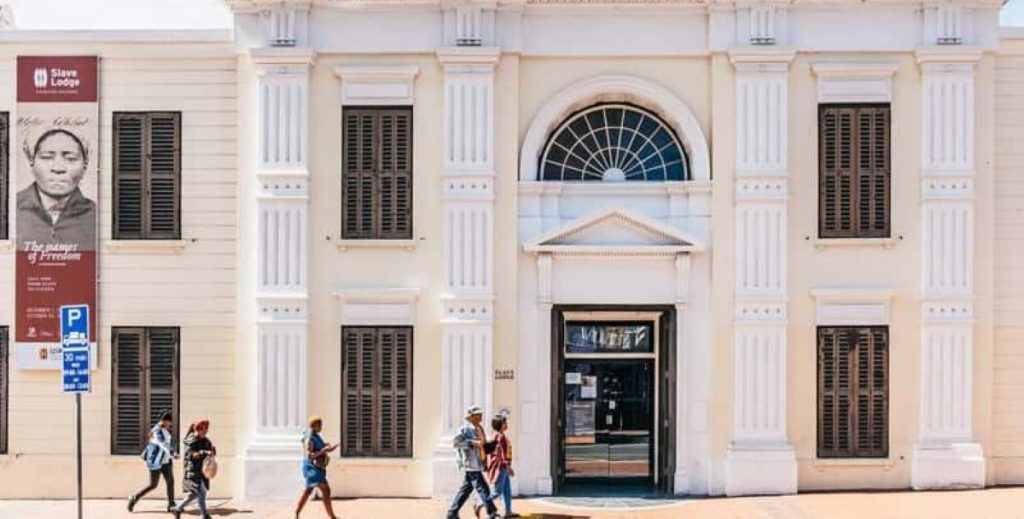
A simple example: The Slave Lodge in Cape Town is history. We cannot change that slaves were kept there. The spirit of resistance of the slaves who burned down farms to escape is heritage. We keep that resistance to teach courage.
If we do not make the distinction, we end up celebrating chains. Two South African examples that make the distinction between history and heritage are:
1. Black Consciousness
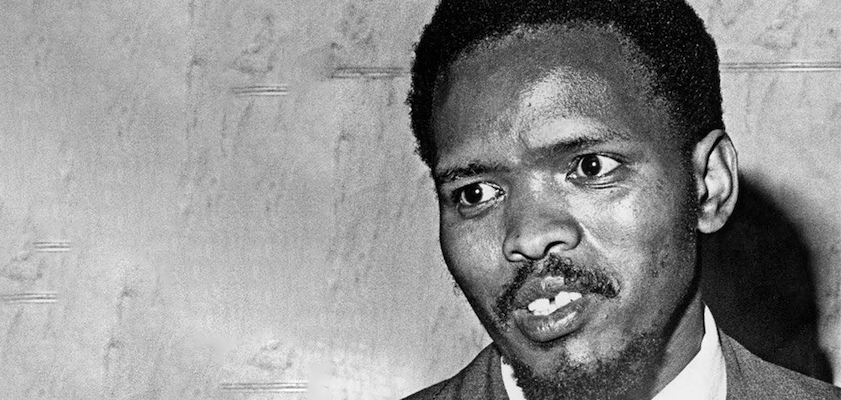
It is history that we had a Black Consciousness Movement that was banned and destroyed on 19 October 1977, Black Wednesday, including the murder of its founder, Steve Biko, on 12 September 1977. That is history. It happened. The banning orders are in the archives. The post-mortem report is there. We cannot change it. We must teach it.
But its philosophy of Black Power that espoused self-determination and self-reliance, and Black Pride are a heritage that must be preserved.
Biko is dead, which is history. Biko’s idea that “Black man, you are on your own”; that the most potent weapon in the hands of the oppressor is the mind of the oppressed; that we must build Black Community Programmes, clinics, creches, and industries with our own hands, is heritage.
It is useful today. It tells a child in Limpopo who has no doctor that she can become a doctor and build a clinic. It tells a community that they do not need to wait for a tender to cut grass.
The banning is history. The self-reliance is heritage. One we remember so it never happens again. The other we practice so we survive. If we collapse them, we say BC is only about 1977 and funerals. It is not. BC is about how we live in 2026.
2. The ANC
Another example is that of the ANC that perhaps defines the history of the struggle against apartheid. That is true. No honest historian can write South African history from 1912 to 1994 without the ANC. The Defiance Campaign, the Freedom Charter, Robben Island, exile, the 1976 student influx into camps, the 1980s mass democratic movement, and 1994 is history. It happened. It cannot be erased, even by its enemies.
But the organisation is not heritage, as it has failed itself and the promise it held out to people. Now the wish is to see it buried in the dustbin of history. This is hard to say, but it is necessary. Heritage must advance human development. What part of the current ANC advances human development?
Corruption at Tembisa Hospital, where a mop costs R450,000, is not heritage. That is history we must record as how a liberation movement ate itself.
Cadre deployment that puts an incompetent municipal manager in charge of water, so women in Hamanskraal have no water, is not heritage. That is history we must record as a lesson in how not to govern.
The vote in 1994 is heritage. The idea of non-racialism, of building a better life for all, is heritage. The method of tenderpreneurship, of protecting comrades who steal, is not heritage. That is history that belongs in the dustbin.
We must be able to say the ANC is history, but the values of the Freedom Charter that say South Africa belongs to all who live in it, especially black and some white, that the black people shall share in the country’s wealth, is heritage, and it does not belong to the ANC alone anymore. It belongs to all of us.
If we say ANC is heritage by itself, we are forced to preserve looting as culture. We cannot.
3. Culture is not heritage either
The other thing is a distinction between culture and heritage. Culture is not static and, thus, forever changing and dynamic. This is where many heritage activists go wrong. They want to freeze culture in 1850.
Culture is how we live now. It changes. Yesterday, culture was that women wore long dresses and cooked for men. Today, culture in Johannesburg is that a woman wears trousers, drives a taxi, and runs a construction company. That is dynamic. Culture moves because people move.
Heritage is what we select from that moving culture to keep, because it makes us better.
Example: Ukulobola is culture, and it has changed. Once it was 11 cows. Now it is R120,000 and an EFT settlement on WhatsApp. That is culture, changing. The heritage inside lobola is respect between families, the building of alliance, and the dignity of commitment. That we keep. The price tag that makes women a commodity that poor men cannot afford is culture we can leave behind.
Initiation is culture. It changes. Heritage is teaching boys to become responsible men. The part where boys die in illegal initiation schools every winter is not heritage. That is bad history in the making. We must cut it.
If we think culture is heritage, we say “it’s our culture” to justify everything, like beating women, killing for witchcraft, and excluding children born out of wedlock. That is nonsense. Culture is not an excuse. Heritage is a standard.
So what do we preserve?
We must ask three questions of anything old:
- Does it advance African development and promote progress to justice and equality?
- Does it give Apartheid-defeated African people tools for self-reliance, dignity, and justice?
- Can a young woman in 2026 use it to be more free and promote gender equality?
If yes, it is heritage. Preserve, teach, fund it. If no, it is history. Record it, put it in a museum, write it in a textbook, but do not celebrate it. Steve Biko’s murder is history. We must never forget how he died on a mat in Pretoria. Self-determination is heritage. We must practice it.
The ANC’s liberation struggle is history. Fighting for economic justice is heritage. Lobola as respect is heritage. Lobola as debt and a quick money-making scheme is history.
When we learn to separate history from heritage, we stop being prisoners of the past. We become curators of the future. We stop saying “we have always done it” and start saying “what should we keep doing to be more human?”
That is the work. Not everything that is history is heritage. And that is our freedom.

Get your news on the go. Click here to follow the Conviction WhatsApp channel.
The opinions expressed in this article are solely those of the author and do not necessarily reflect the views of Conviction.co.za


