






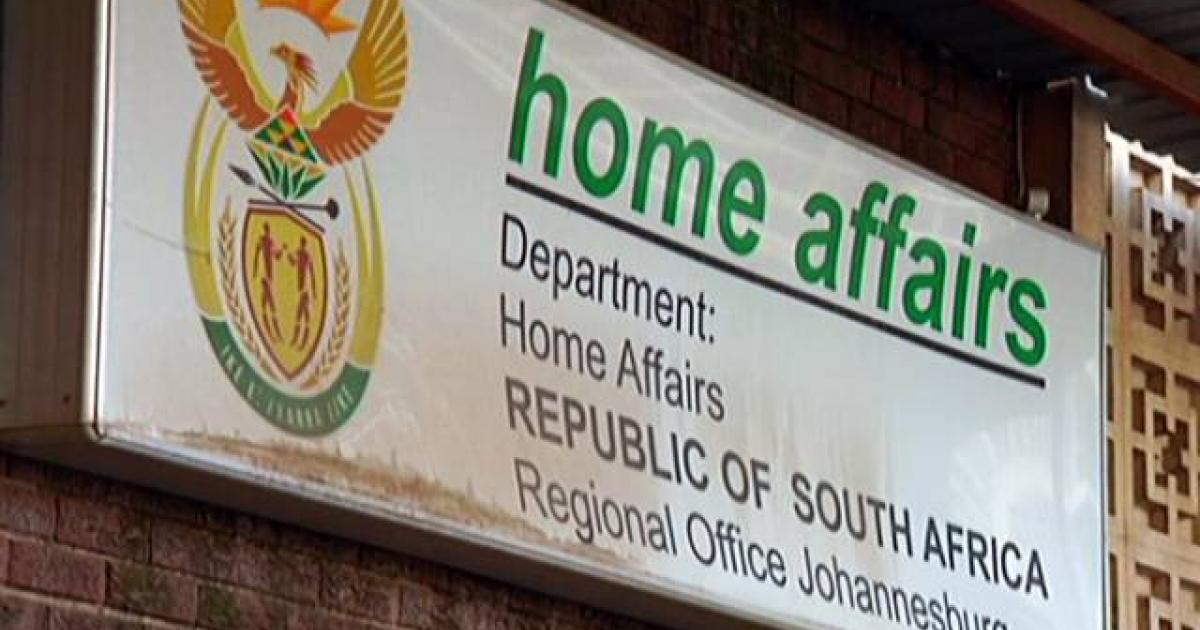
- Home Affairs admitted Amanda Everitt-Fontana’s net worth was calculated incorrectly.
- Her net worth was actually more than R14 million, well above the R12 million requirement
- The High Court in the Western Cape dismissed the case because it did not have jurisdiction
A British couple whose permanent residence applications were wrongly rejected by Home Affairs may now have to take their case to the High Court in Pretoria after the Western Cape Division said it could not hear the matter.
Amanda Louise Everitt-Fontana and her husband, Roberto Fontana, live in Lincolnshire in the United Kingdom. In January 2025, Amanda applied for permanent residence based on her net worth, while her husband applied based on their marriage.
Amanda’s application was rejected in September 2025 because Home Affairs said she did not meet the R12 million net worth requirement. Roberto’s application was later turned down because his wife’s application had failed. But the real issue was how Home Affairs calculated the value of two properties the couple owned in the UK.
The properties in Grimsby and Louth were worth £160 000 and £70 000. Their accountant had already adjusted the values to reflect Amanda’s half shares, but a Home Affairs official halved the values again. Her pension funds were also included in the calculation. When the numbers were worked out correctly, her net worth was more than R14 million.
Director-General Livhuwani Tommy Makhode admitted the calculation was wrong and Amanda’s application should not have been rejected. He also accepted that Roberto’s application was wrongly rejected as a result.
The case turned on where the decision was made
The couple asked the High Court to set aside the rejection decisions and to order Home Affairs to issue their permanent residence permits or at least to reconsider their applications. Home Affairs argued that the High Court in Cape Town did not have the authority to hear the case.
The couple said their applications had been submitted and handled through the Home Affairs office in Cape Town. They explained they planned to live in Cape Town and would be affected there by the rejection. Home Affairs said the decisions were made in Pretoria and pointed out that the couple lived in the United Kingdom.
Judge M Pangarker found the decisions being challenged were those of the Director-General, who rejected the applications. The work done by officials in Cape Town, like receiving the applications and communicating the outcomes, did not mean the actual decisions were made there.
Court finds it had no jurisdiction
The judge explained that the Promotion of Administrative Justice Act sets out the rules for deciding which High Court can review administrative actions.
A case like this can be heard where the administrative action happened, where the administrator’s main office is, where the affected person lives, or where the effect of the decision is felt. None of these reasons applied to Cape Town.
The Director-General’s decision was made in Pretoria. The couple live in the United Kingdom, and their intention to move to Cape Town in the future did not mean they were already experiencing the effects of the decision there.
The judge also found that the Director-General, and not the Minister of Home Affairs, was the relevant administrator, and that his main office was in Pretoria. The court also rejected the idea that the way Home Affairs had previously handled applications in Cape Town could create jurisdiction.
Application dismissed
Judge Pangarker agreed with the jurisdiction objection and dismissed the application. The judge noted the couple were forced to bring the case because Home Affairs made the calculation error. If the figures had been assessed properly, the applications would likely have been successful.
However, the judge found Home Affairs was legally entitled to raise the jurisdiction objection. Each party was ordered to pay its own costs.
The judge said the parties should try to resolve the permanent residence applications quickly, now that Home Affairs has admitted the applications were wrongly rejected.
Judge Pangarker expressed hope that the couple would not have to go to Pretoria for relief, though the judgment means South Africa’s capital city is the court they may need to approach if things are not resolved.
Get your news on the go. Click here to follow the Conviction WhatsApp channel.


