






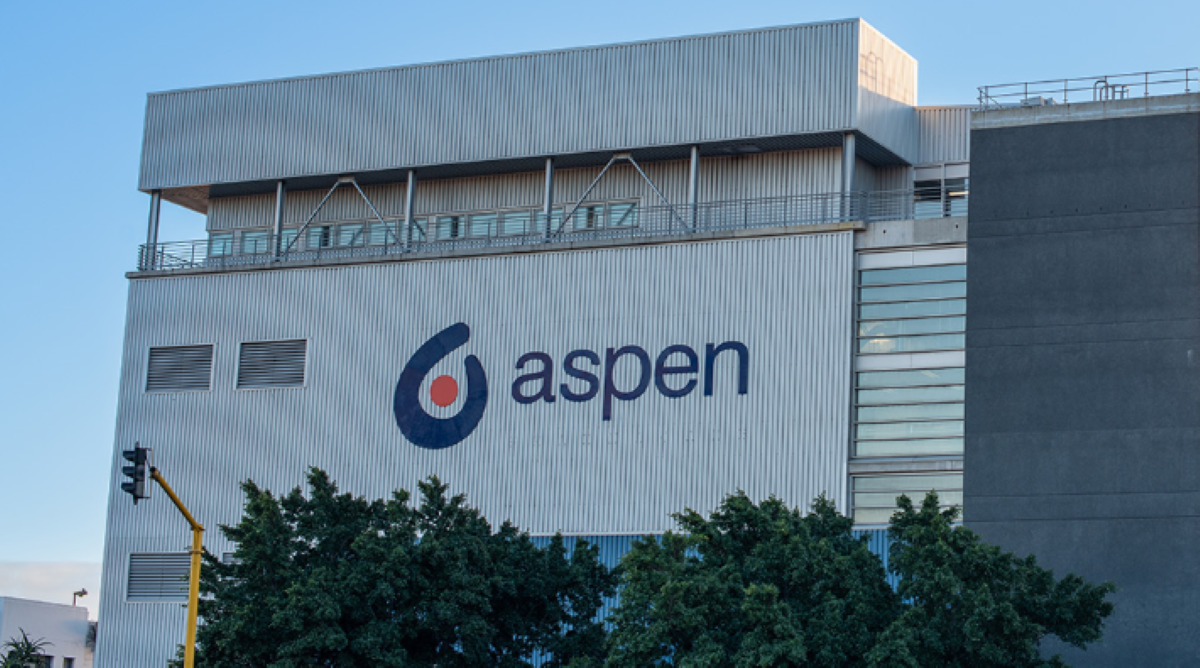
- Roderick Munnick has won his job back nearly a decade after his dismissal by Aspen Pharmacare.
- The Labour Court found his dismissal for allegedly inciting an unlawful picket was substantively unfair.
- Aspen must reinstate him and pay retrospective back wages for the qualifying periods
Nearly 10 years after he lost his job, Aspen Pharmacare production technician Roderick Munnick has been reinstated by the Labour Court in Gqeberha. The judge found that Aspen dismissed him without proving he had incited workers to take part in a lunch-break picket.
Judge M Makhura reviewed and set aside an arbitration award that had previously upheld Munnick’s dismissal, replacing it with a finding that the dismissal was substantively unfair. The court ordered Aspen to reinstate him on the same terms and conditions he had before his dismissal on 8 September 2016 and to pay him back pay, excluding the period when his review application had lapsed.
Lunch-break protest sparked the dispute
The dispute began in May 2016 when employees at Aspen’s Gqeberha manufacturing plant held peaceful lunch-break protests over incentives, warehousing grading and transport concerns. Workers left the premises during their breaks, gathered outside the company entrance and returned to work after lunch.
Aspen saw these demonstrations as unprotected industrial action and issued ultimatums, warning employees that continued participation could lead to disciplinary action and dismissal. The company later obtained a Labour Court interdict declaring the picket unlawful.
Munnick, a member of the South African Chemical Workers Union, admitted he had taken part in the protest. However, he was dismissed specifically for allegedly inciting other employees to join the picket through emails sent during the two-day dispute.
Emails became the central issue
The Labour Court found that the timeline of events undermined Aspen’s case. Munnick’s first email was sent after employees had already gathered during the lunch-break protest on 19 May 2016. Two more emails were circulated on 20 May, again after workers had assembled outside the workplace.
Judge Makhura held that Aspen failed to show the emails encouraged employees to start or continue the picket. The judge described it as illogical to claim that communications sent after the protest had begun amounted to incitement.
The judge also accepted Munnick’s evidence that he genuinely believed the lunchtime demonstrations were lawful because they took place outside company premises, during employees’ own time, and because SACWU had advised workers that the action was legal.
Inconsistent discipline
Another reason for overturning the dismissal was Aspen’s inconsistent treatment of employees involved in the same events.
The court heard that fellow shop steward Phumeza Damana received only a final written warning without facing a disciplinary hearing, while other shop stewards linked to the protest were not disciplined in the same way. Judge Makhura found that the company had breached the parity principle by treating similarly placed employees differently.
Reinstatement after a decade
Instead of sending the matter back to arbitration, the Labour Court made its own order. Aspen was directed to reinstate Munnick retrospectively, restore his employment benefits and pay back wages for the periods from 8 September 2016 to 3 October 2018 and from 9 June 2022 until the company complies with the judgment.
Munnick must report for duty within three working days of receiving the judgment, and each party will bear its own legal costs.
Get your news on the go. Click here to follow the Conviction WhatsApp channel.


