


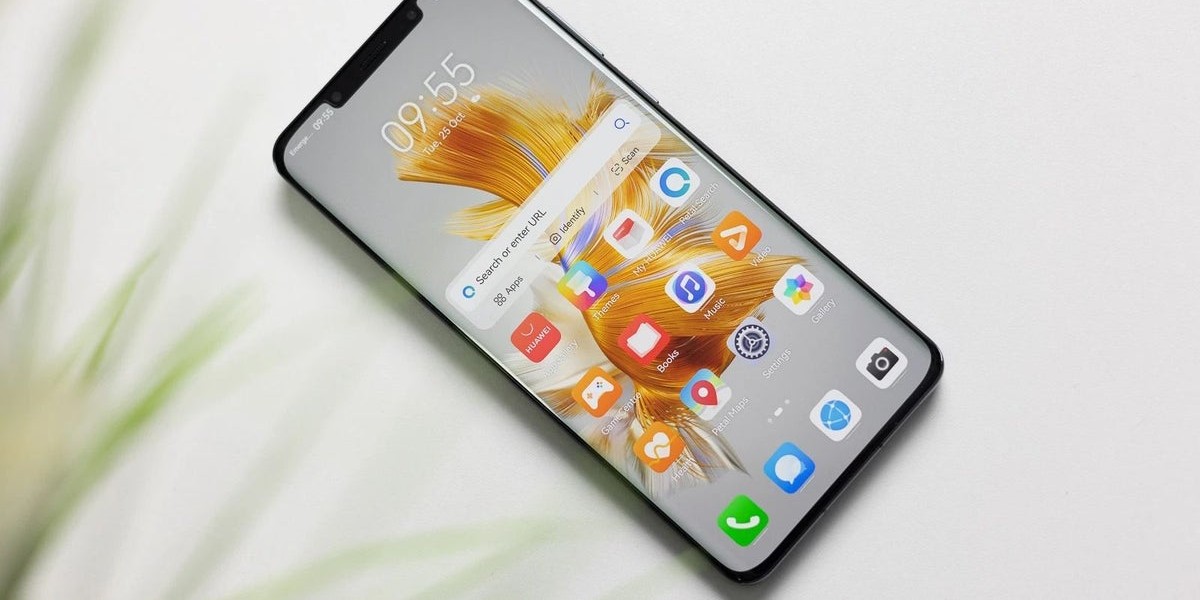
- Mfanello Phanuel Mbungele bought a Huawei cellphone from Christopher Mathebula for R1,500 after being introduced by Mickey Mahlaula in Chavani Village.
- Mbungele pleaded guilty to receiving suspected stolen property and was sentenced to 12 months in prison.
- Judge Phatudi found the guilty plea did not show Mbungele knew the phone was stolen, so his conviction and sentence were set aside.
A man who admitted to buying a Huawei cellphone suspected of being stolen has been cleared after the High Court in Thohoyandou found that his plea did not show he knew the phone was stolen.
In a judgment delivered on 9 October 2026, Judge AML Phatudi, with Deputy Judge President MV Semenya concurring, upheld Mfanello Phanuel Mbungele’s appeal and set aside his conviction and sentence. The court found that the magistrate had not established whether the facts Mbungele admitted actually proved the offence of receiving stolen property.
How the cellphone purchase led to a prison sentence
According to the judgment, the transaction happened in Chavani Village in Limpopo. On 19 March 2023, Mbungele met Mickey Mahlaula, who told him he was selling a cellphone, though he didn’t actually have it with him at the time.
Mbungele was interested, so Mahlaula explained he wasn’t the real seller and introduced him to Christopher Mathebula, who later became accused number one in the criminal case. Mathebula offered to sell the cellphone for R1,500. Mbungele paid R1,000 up front and settled the rest later, after which Mathebula handed over the phone.
The charge sheet stated that on or about 22 April 2023, Mbungele was found in unlawful possession of a Huawei cellphone worth R10,000 in or near Chavani Village. The State said there was reason to suspect the phone had been stolen and that Mbungele couldn’t provide a good explanation for having it.
He was charged under Section 37(1)(a), read with Section 37(1)(b), of the General Law Amendment Act 62 of 1955, which deals with receiving stolen property. In his written guilty plea, Mbungele said, “During the time I bought the phone, I knew that it was not his.”
He also admitted to knowing his actions were unlawful and punishable, said he had no excuse, and asked the court for mercy. The magistrate accepted his plea, convicted him, and sentenced him to 12 months’ direct imprisonment. Mbungele appealed his sentence with the magistrate’s permission and was granted bail pending the appeal.
Judge examines whether the guilty plea proved the offence
Although Mbungele only appealed his sentence, Judge Phatudi noticed a deeper issue when reviewing the record. The judge found that the proceedings leading to the conviction contained a serious legal flaw that could invalidate the conviction itself.
The appeal court asked the parties to submit more written arguments on whether it should use its powers to consider the conviction, even though Mbungele had not been granted leave to appeal it. The main issue was whether his guilty plea admitted all the essential elements of receiving stolen property.
Section 112(2) of the Criminal Procedure Act 51 of 1977 allows a court to convict someone on a written guilty plea if the facts admitted actually establish guilt. The court must make sure the accused admits all the parts of the offence, not just says he believes he is guilty.
Judge Phatudi explained that to be guilty of receiving stolen property, a person must have knowingly and unlawfully received the property, knowing it was stolen. The judge stressed that actual knowledge is required. Just suspecting the seller isn’t the rightful owner isn’t enough.
The judgment referred to the Supreme Court of Appeal’s decision in S v Tshabalala, which confirmed that the State has to prove the accused knew the property was stolen. It’s not enough for the accused to have suspected it, or to think they should have known.
Knowing the phone did not belong to the seller was not enough
Judge Phatudi found that Mbungele’s guilty plea did not establish that he knew the cellphone was stolen when he bought it from Mathebula.
His statement that he knew the phone was not the seller’s was not the same as admitting he knew it had been stolen. The court said that Mbungele’s personal belief that he was guilty could not replace factual admissions proving every element of the offence.
The judge found the required intention was missing from the plea, and that the magistrate had failed to use their powers under Section 112 to clarify the facts and make sure the necessary elements were present. This, the court said, was a serious misdirection, making the proceedings unfair and invalidating the conviction.
The judgment also noted that it had not been established that the cellphone was in fact stolen. Instead, the court found that the facts admitted by Mbungele did not prove he committed the offence he was charged with.
Conviction and sentence set aside
The appeal court concluded that Mbungele’s conviction could not stand, so it was unnecessary to decide whether the 12-month sentence was appropriate.
The court allowed the appeal and set aside both the conviction and sentence imposed by the Magistrate’s Court for the District of Makhado, sitting at Hlanganani, on 21 April 2023.
The conviction and sentence were replaced with an order declaring Mbungele not guilty and directing his release.
Get your news on the go. Click here to follow the Conviction WhatsApp channel.
