


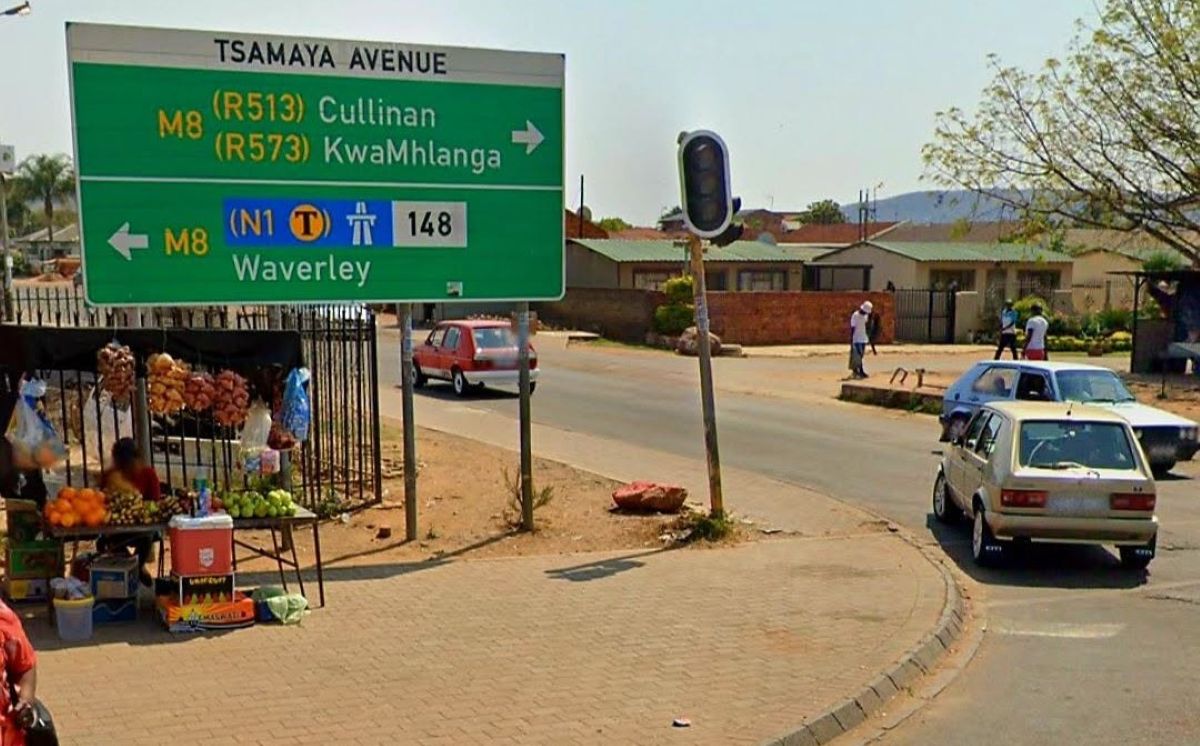
- The High Court in Pretoria ordered roadside businesses to vacate the K54 road reserve by 15 January 2027.
- Former ward Councillor NA Mogalotsi was found to have unlawfully granted written permission for businesses to occupy provincial land.
- The court ruled that the traders relied on his apparent authority and ordered Mogalotsi to personally pay the legal costs.
For years, dozens of small businesses operated from structures along Tsamaya Road in Mamelodi, believing they had permission from their local ward councillor. That permission has now been declared unlawful, with the High Court in Pretoria finding that the former councillor exceeded his powers by allowing traders to occupy a provincial road reserve.
Judge J Labuschagne ruled in favour of the Gauteng Provincial Department of Roads and Transport, clearing the way for the K54 road reserve to be vacated so that a delayed road infrastructure project, including the construction of a cycle path, can proceed.
Businesses built on temporary permission
The provincial department approached the court seeking the eviction of unlawful business occupiers, authorisation to demolish encroaching structures and an interdict preventing any future occupation of the road reserve. The affected area stretches for several kilometres along Tsamaya Road, where informal businesses have traded from permanent and semi-permanent structures.
Following an inspection ordered by the court, all the businesses represented in the proceedings were confirmed to be occupying the K54 road reserve. The court also noted that the K54 upgrade has been planned since 2018 and that the occupiers had received numerous notices over the years to vacate the road reserve before the eviction application was launched.
Mogalotsi admitted granting written approval
Former ward councillor NA Mogalotsi told the court that he had issued written permission to trader Ms Nkoana to establish business premises on the road reserve. He said the arrangement was intended as a temporary measure until the land was required for construction and insisted he had acted in good faith to prevent illegal land invasions without receiving any financial benefit.
The court accepted that the traders understood their occupation was temporary but rejected Mogalotsi’s claim that good intentions justified his actions.
Judge Labuschagne found that the road reserve belongs to the Gauteng Provincial Department of Roads and Transport, not the City of Tshwane, and ruled that a ward councillor had no authority to allocate rights over provincial property.
The judge said any temporary occupation should have resulted from negotiations between the municipality and the provincial department rather than a unilateral decision by an elected councillor.
Traders spared legal costs
While granting the eviction order, the court distinguished the conduct of the traders from that of the former councillor.
Judge Labuschagne found that the occupiers had relied on the apparent authority of an elected public representative and genuinely believed their occupation was lawful, even though it was temporary. He held that they were “brought under the impression that the occupation was lawful, though temporary” because of Mogalotsi’s conduct.
Instead, the judge ruled that the root cause of the litigation was Mogalotsi’s unlawful conduct and ordered him to pay the costs de bonis propriis, making him personally liable for the legal expenses.
Businesses must leave by January
The court ordered the occupiers to vacate the K54 road reserve by 15 January 2027. From 27 September 2026, the provincial department is authorised to demolish business structures as construction reaches the affected area.
Should any occupiers remain after the January deadline, the Sheriff is empowered to remove the remaining structures, while any future structures erected on the road reserve may be demolished immediately.
Judge Labuschagne declined to order the traders to pay legal costs, finding that they had relied on Mogalotsi's apparent authority and genuinely believed their occupation was lawful, though temporary. Instead, the judge held that Mogalotsi's unlawful conduct was the root cause of the litigation and ordered him to pay the costs de bonis propriis, making him personally responsible for the legal costs.
Conviction.co.za
Get your news on the go. Click here to follow the Conviction WhatsApp channel.


