


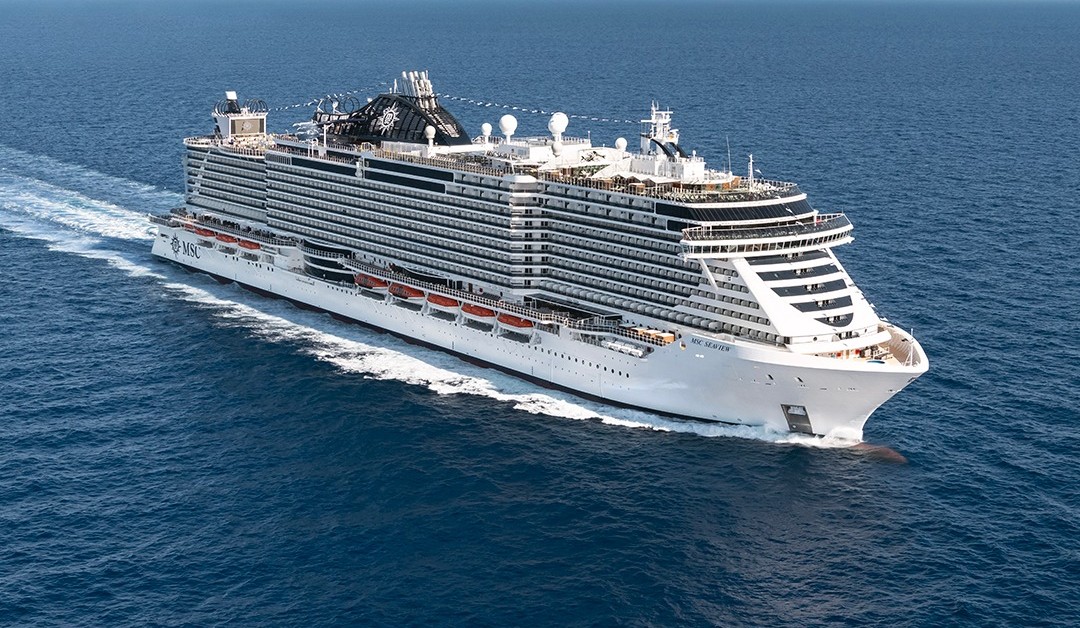
- The Advertising Regulatory Board ruled that MSC Cruises misled consumers by advertising discounted promotional fares as standard “from” prices.
- The ruling found that the true cost of cruises, including a substantially higher full fare for the second passenger, only became clear late in the booking process.
- ARB members have been instructed not to publish similar MSC Cruises advertisements if they misrepresent the actual pricing structure.
The Advertising Regulatory Board has found that MSC Cruises misled consumers by advertising discounted promotional fares as standard “from” prices, causing customers to believe cruises were far cheaper than they actually were.
In upholding a complaint against the cruise line’s Black November campaign, the ARB ruled that the real cost, including a significantly higher full fare for the second passenger, was concealed until late in the booking process, in breach of advertising rules on misleading pricing.
The decision, issued on 7 January 2026, followed a complaint by Wayne Petersen, who challenged MSC Cruises’ Black November promotional advertising that appeared on Facebook and the company’s website. The campaign promoted cruises departing from Durban aboard the MSC Opera, ranging from short two-night themed trips to longer festive voyages of up to 14 nights, under the headline offer that the first guest pays R1.
Why did the pricing trigger a complaint
On MSC Cruises’ booking interface, cruises were displayed with prices such as “From R1 910 p.p.” and “From R4 838 p.p.”. These figures appeared in the same format and position typically used to reflect the standard per-person fare for a cruise.
However, when consumers proceeded with bookings and added a second passenger, the total prices increased sharply. In one example raised in the complaint, a cruise advertised at “from R4 838 p.p.” ultimately totalled R49 676 for two passengers. In another, a cruise advertised at “from R1 910 p.p.” resulted in a total price of R7 019 for two guests.
Petersen argued that this pricing structure was misleading and inconsistent with the headline promotional claims, particularly where the final totals exceeded what an ordinary consumer would reasonably expect based on the advertised per person price.
MSC Cruises’ response
MSC Cruises, which is not a member of the ARB, participated in the process without prejudice and maintained that its advertising was not misleading. The cruise line explained that the promotion allowed the first passenger to pay only R1, excluding mandatory fees, while the second passenger paid the full cruise fare plus mandatory fees.
According to MSC Cruises, mandatory fees include port charges and hotel service charges that apply to all passengers and vary depending on cruise length and itinerary. The company provided a breakdown showing that, for the 14 night cruise example, the first passenger paid mandatory fees of R4 838, while the second passenger paid the full fare of R40 000 plus the same mandatory fees, resulting in the total of R49 676.
MSC Cruises emphasised that all charges were displayed in the booking summary before payment and denied that the advertisement created a misleading impression.
The ARB’s findings
The ARB accepted that mandatory fees apply to all cruises and that MSC Cruises was able to account mathematically for the final totals. However, the Directorate made it clear that this was not the central issue.
“The question is not whether the totals can be mathematically justified after the fact, but whether the Advertisement, as presented to consumers, creates a misleading impression about the nature of the prices quoted.”
The Directorate found that the advertised “from” prices were not the standard or undiscounted fares, but rather the heavily discounted promotional fares applicable only to the first passenger. The full fare for the second passenger, which was substantially higher, was not visible at the point where consumers formed their initial price expectations.
“The effect is that the ‘from R4 838’ and ‘from R1 910’ prices appear to represent the full, undiscounted per person price, when in fact they represent the heavily discounted promotional price for the first guest only.”
In reality, the ruling noted, consumers were led to believe that the base price of the cruise was far lower than it actually was, and that the R1 promotion was a further reduction from that amount. This impression was incorrect and materially misleading.
Breach of the advertising code
The ARB held that this presentation contravened Clause 4.2.1 of the Code of Advertising Practice, which prohibits advertising that is misleading by implication, omission or ambiguity. It also breached Clause 19, which requires that quoted prices must not misrepresent the actual price payable and must clearly disclose conditions that materially affect the final cost.
While mandatory fees were disclosed, the Directorate found that presenting the discounted promotional fare as if it were the standard “from” price obscured the true pricing structure and failed to meet the required standard of clarity.
“This disconnect between the impression created by the advertised ‘from’ price and the actual pricing structure is material and likely to mislead an ordinary consumer,” the ruling concluded.
Instruction to advertisers
Although the Black November promotion has since ended, the ARB said the ruling was necessary given the risk of similar pricing practices being repeated in future campaigns.
The Directorate instructed ARB members not to accept or publish any MSC Cruises advertising that presents promotional “from” prices in a way that misrepresents the standard fare or obscures the true pricing structure, as set out in the ruling.
Get your news on the go. Click here to follow the Conviction WhatsApp channel.


