Skip to content
Close Menu
ConvictionConviction
  • Home
  • Law & Justice
  • Special Reports
  • Opinion
  • Ask The Expert
  • Get In Touch

Subscribe to Updates

Get the latest creative news from FooBar about art, design and business.

What's Hot

Mosiuoa Lekota’s partner loses appeal after judge finds she drained bank accounts

May 18, 2026

ConCourt blocks government plan to control private healthcare locations

May 18, 2026

Discovery Life ordered to pay cancer claim despite diagnosis coming after cover lapsed

May 18, 2026
Facebook X (Twitter) Instagram
Trending
  • Mosiuoa Lekota’s partner loses appeal after judge finds she drained bank accounts
  • ConCourt blocks government plan to control private healthcare locations
  • Discovery Life ordered to pay cancer claim despite diagnosis coming after cover lapsed
  • GIWUSA and Sasol face off at CCMA amid deductions dispute
  • Two foreign nationals remain in SA after immigration case falls apart
  • Mrs SA 2026 hopeful Gavaza Mongwe delivers a message of hope to Limpopo school
  • Hantavirus risk remains low in South Africa despite global concern over the Andes variant
  • Archbishop Tutu’s former home named global headquarters in fight against hunger
Facebook X (Twitter) Instagram
ConvictionConviction
Demo
  • Home
  • Law & Justice
  • Special Reports
  • Opinion
  • Ask The Expert
  • Get In Touch
ConvictionConviction
Home » ConCourt blocks government plan to control private healthcare locations
Constitutional Law

ConCourt blocks government plan to control private healthcare locations

Judges say Health Act scheme is unconstitutional and makes no sense.
Kennedy MudzuliBy Kennedy MudzuliMay 18, 2026No Comments
Facebook Twitter Pinterest LinkedIn WhatsApp Reddit Tumblr Email
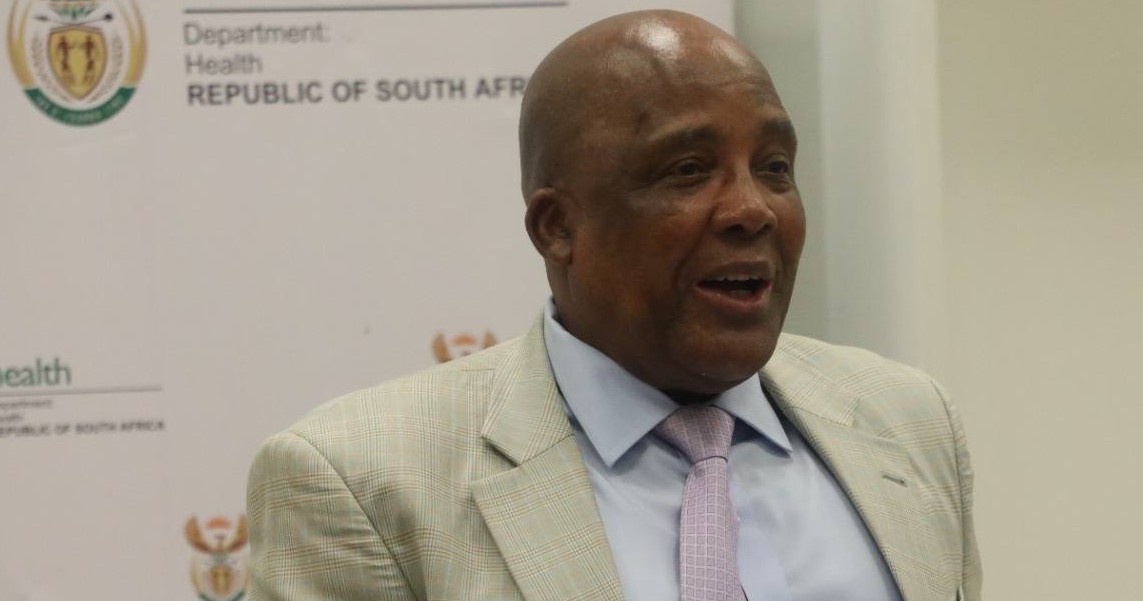
Health Minister, Dr Aaron Motsoaledi. Picture: Department of Health/Facebook
Share
Facebook Twitter LinkedIn Pinterest Email
  • The Constitutional Court has struck down controversial Health Act rules that would have made healthcare providers get certificates of need.
  • The court found the scheme made no sense and put unfair limits on the right to freely choose a profession.
  • The ruling takes away the government's power to decide where some private healthcare services can open or operate

The Constitutional Court has stopped the government from trying to control where private healthcare providers can operate, ruling that parts of the National Health Act are both unconstitutional and irrational.

All the judges agreed, and on Monday, 18 May 2026, the court declared Sections 36 to 40 of the National Health Act invalid and completely removed them from the law.

Solidarity Trade Union, healthcare organisations and private healthcare practitioners challenged the Minister of Health and the Director General of Health in court. These rules would have forced healthcare providers, hospitals and medical facilities to get a certificate of need before they could set up, expand or even keep running certain health services.

The government said the scheme was needed to make access to healthcare more equal and stop too many private medical services from being concentrated in wealthier areas.

But the Constitutional Court found the law gave the Director General of Health too much power with too few checks and did not protect the rights of healthcare providers.

Justice Catherine Mary Savage wrote, “The challenged rules do not fit with the Constitution and are invalid because they make no sense and unfairly limit the right to choose a trade, occupation or profession freely.”

Court rejects government’s reasons

The government told the court that the certificate scheme would help change the healthcare system and support the bigger goals of National Health Insurance.

The Constitutional Court agreed that South Africa still faces big gaps in access to healthcare, especially between public and private services. But the court found the government did not show how the certificate scheme would really achieve those goals.

Justice Savage said the law let the Minister of Health decide later, using regulations, which healthcare services and technologies would need certificates. The court found this made things unclear and gave the government too much freedom to decide.

The judgment read in part, “The challenged rules do not set up a clear or complete plan that lets anyone see if it truly reflects a solid and defensible idea of the public good.”

The court also found the law did not require the Director General to consider the rights and interests of healthcare providers when deciding whether to grant or refuse certificates.

Healthcare providers warn of serious consequences

The applicants argued that the scheme would hurt private healthcare practices and could end up making it harder for people to get quality care instead of improving it. They warned that healthcare professionals could end up being forced to work in areas or specialities they did not choose just to keep practising legally.

The Constitutional Court agreed that the law put serious limits on the constitutional right to freely choose a profession. Justice Savage wrote, “Freedom to choose a career is at the heart of a society built on human dignity as the Constitution expects.”

The court also noted that the certificate rules were never put into action because the regulations needed to make them work were never finished. Since these rules never took effect, the court found that removing them would not affect the rest of the National Health Act.

The government must pay the applicants’ legal costs, including the costs for two lawyers.

Conviction.co.za

Get your news on the go. Click here to follow the Conviction WhatsApp channel.

Constitutional Court Healthcare National Health Act Private Healthcare Solidarity
Share. Facebook Twitter Pinterest LinkedIn Tumblr Telegram Email
Kennedy Mudzuli

Multiple award-winner with passion for news and training young journalists. Founder and editor of Conviction.co.za

Related Posts

Three-year waiting period for attorneys to appear in higher courts declared unconstitutional

May 15, 2026

R2 million fines and jail time for land grab organisers under proposed PIE law

May 13, 2026

Courts send strong warning to litigants who deliberately ignore binding court orders

May 12, 2026
Leave A Reply Cancel Reply

Prove your humanity: 3   +   10   =  

Subscribe to our newsletter:
Top Posts

Making sectional title rules that work: A practical guide

January 17, 2025

Protection order among the consequences of trespassing in an ‘Exclusive Use Area’

December 31, 2024

Between a rock and a foul-smelling place

November 27, 2024

Irregular levy increases, mismanagement, and legal threats in a sectional title scheme

June 2, 2025
Don't Miss
Family Law
4 Mins Read

Mosiuoa Lekota’s partner loses appeal after judge finds she drained bank accounts

By Kennedy MudzuliMay 18, 20264 Mins Read

Pretoria High Court found Mosiuoa Lekota was mentally incapable while his partner continued transacting on his bank accounts and later lost her appeal bid.

ConCourt blocks government plan to control private healthcare locations

May 18, 2026

Discovery Life ordered to pay cancer claim despite diagnosis coming after cover lapsed

May 18, 2026

GIWUSA and Sasol face off at CCMA amid deductions dispute

May 18, 2026
Stay In Touch
  • Facebook
  • Twitter
  • WhatsApp
Demo
About Us
About Us

Helping South Africans to navigate the legal landscape; providing accessible legal information; and giving a voice to those seeking justice.

Facebook X (Twitter) WhatsApp
Our Picks

Mosiuoa Lekota’s partner loses appeal after judge finds she drained bank accounts

May 18, 2026

ConCourt blocks government plan to control private healthcare locations

May 18, 2026

Discovery Life ordered to pay cancer claim despite diagnosis coming after cover lapsed

May 18, 2026
Most Popular

Making sectional title rules that work: A practical guide

January 17, 2025

Protection order among the consequences of trespassing in an ‘Exclusive Use Area’

December 31, 2024

Between a rock and a foul-smelling place

November 27, 2024
© 2026 Conviction.
  • Home
  • Law & Justice
  • Special Reports
  • Opinion
  • Ask The Expert
  • Get In Touch

Type above and press Enter to search. Press Esc to cancel.

Powered by
►
Necessary cookies enable essential site features like secure log-ins and consent preference adjustments. They do not store personal data.
None
►
Functional cookies support features like content sharing on social media, collecting feedback, and enabling third-party tools.
None
►
Analytical cookies track visitor interactions, providing insights on metrics like visitor count, bounce rate, and traffic sources.
None
►
Advertisement cookies deliver personalized ads based on your previous visits and analyze the effectiveness of ad campaigns.
None
►
Unclassified cookies are cookies that we are in the process of classifying, together with the providers of individual cookies.
None
Powered by