


- GDP growth hides deep inequality, mass unemployment, and economic exclusion.
- Neoliberalism absolves markets and blames states, protecting elite interests.
- Real transformation requires redistribution, democratic economics, and new metrics.
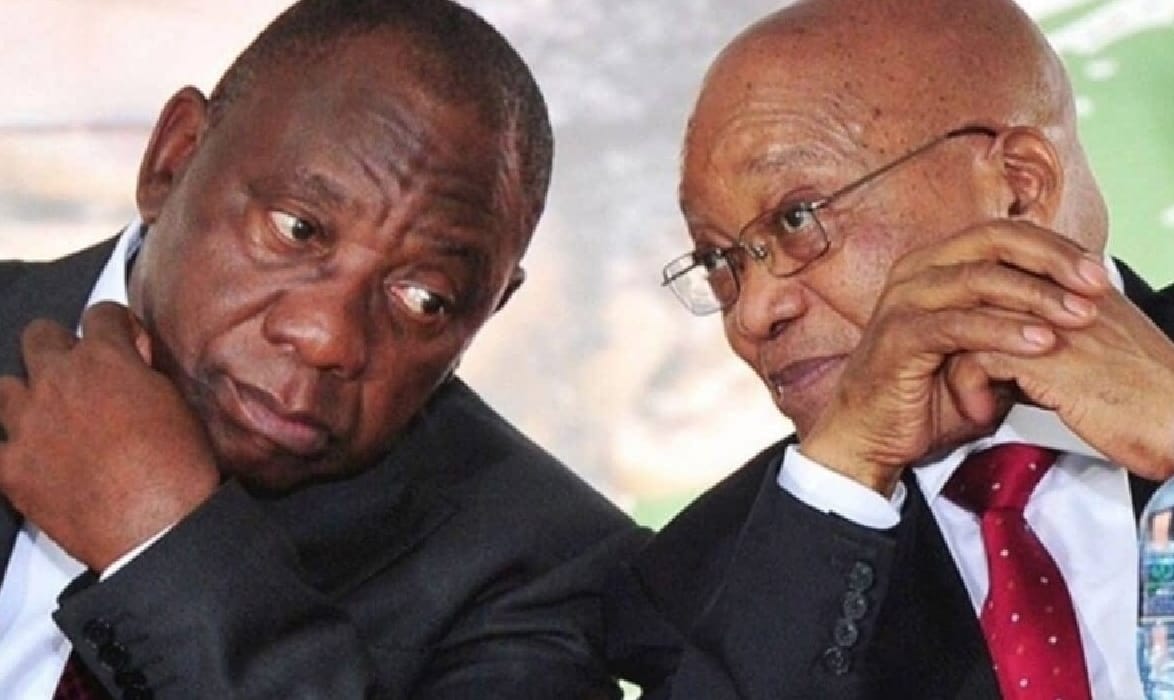
Economists and analysts often recite presidential GDP records like a scoreboard: Nelson Mandela (2.7%), Thabo Mbeki (4.2%), Jacob Zuma (1.7%) and Cyril Ramaphosa (0.6%). This game reduces South Africa’s complex national journey to a single, misleading metric.
As economist Joseph Stiglitz said, GDP measures “everything except that which makes life worthwhile.” South Africa exemplifies this disconnect: during Mbeki’s so-called boom, inequality widened and unemployment barely budged. By 2025, over 63% of people lived in poverty, general unemployment was 31.9%, and youth joblessness had soared to nearly 60%.
The much-lauded ‘economic boom’ was in fact a period of jobless growth. GDP rose, but meaningful employment did not follow. Even where jobs were created, they did not dismantle the underlying economic structure rooted in apartheid and global capitalism. Neoliberalism demands that government steps aside, yet holds the state responsible when things fall apart—a central contradiction that allows institutions like the IMF and World Bank to dictate policy while deflecting accountability.
Trickle-down myths and elite capture
In the post-apartheid era, South Africa embraced privatisation, financialisation, and export-led growth, believing global integration would uplift the nation. Instead, inequality deepened. Black Economic Empowerment created billionaires, not widespread wealth. A small black elite emerged as what Samir Amin termed a “comprador bourgeoisie,” custodians of capital rather than agents of transformation.
The economy’s backbone—mining, finance, and agriculture—remains extractive and largely untouched. As Roger Southall observes, South Africa’s post-apartheid elite became caretakers of capital. The Gini coefficient worsened under Mbeki’s 4.2% growth, and deindustrialisation accelerated. Manufacturing declined, finance and insurance ballooned, and agriculture weakened. These sectors generated profit but not jobs.
While global institutions praise ‘inclusive growth,’ their policy prescriptions—cutting spending, deregulating labour—undermine employment. Manufacturing, which offers high employment potential, was neglected in favour of capital-intensive sectors and speculative finance.
Misleading metrics, rigged governance
GDP cannot measure community health, inequality, or environmental damage. It tracks car sales, not polluted rivers or unpaid care work. It hides a landscape of hunger, youth unemployment, and spatial apartheid, where entire communities remain cut off from economic opportunity.
International financial institutions, far from being neutral actors, continue to impose structural conditions that erode public service and social support. The 2023 USD 1 billion World Bank loan demanded Eskom’s unbundling and encouraged private renewables over equitable energy access. Trade threats, such as the US pressuring South Africa over AGOA, reveal that ‘free markets’ serve geopolitical interests, not the poor.
As David Harvey notes, neoliberalism’s “genius” lies in blaming states for problems it causes. The idea of “full employment” no longer exists in practice; global capital needs high unemployment to suppress wages. Within this framework, South Africa’s poor remain locked out, while black faces in elite places manage an economy designed for white capital.
Beyond GDP: a call for democratic economics
Reclaiming South Africa’s liberation dream requires dethroning GDP and replacing it with measures of human dignity, social well-being, and ecological sustainability. Redistribution should go beyond ownership to redefine how the economy functions and for whom.
Community wealth building, land sovereignty, and localised public services like water and energy are essential. Municipal control and worker cooperatives can resist austerity. Democratic industrial policy—backed by strategic public investment—must replace neoliberal market worship.
As Ha-Joon Chang argues, rich countries did not develop through free-market orthodoxy but through state planning, tariffs, and subsidies. Mariana Mazzucato reminds us that the state must shape markets—not merely fix their failures.
BRICS offers no easy escape. China and Russia, like Western powers, invest in extraction, not people. A new economy must be grounded in justice, not another version of dependency.
Virtual democracy, real exclusion
What South Africa has today, as Achille Mbembe suggests, is a virtual democracy—elections without genuine people power. Political elites, once liberation heroes, now defend the very system they were meant to dismantle. Neoliberalism masks elite control in the language of freedom. It tells governments they cannot create jobs, then blames them when jobs disappear.
The real question is not what presidents can do under neoliberal rules—but whether the rules themselves serve the people. They don’t. Liberation was meant to deliver justice and dignity, not GDP points and Davos speeches.
The work of rebuilding the economy must centre on the landless, unemployed, and working poor—not investors or technocrats. The real economy—just, caring, and inclusive—will be born not in boardrooms but in community assemblies, reclaimed land, and rising resistance.
Siya yi banga le economy!
Conviction.co.za
Get your news on the go. Click here to follow the Conviction WhatsApp channel.


