


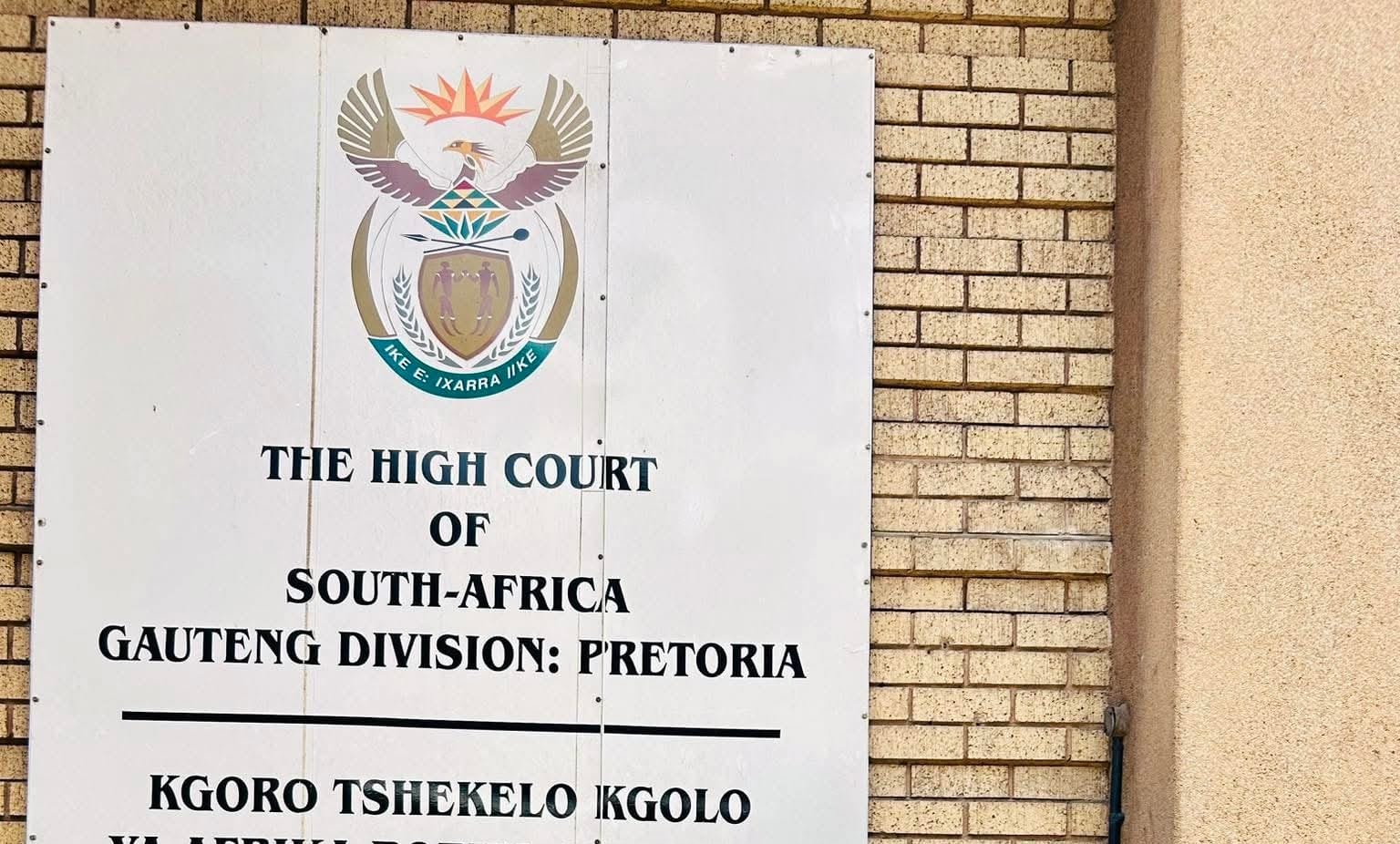
- The High Court dismissed Profood Africa's challenge to a clause contained in the terms and conditions of its clearing and forwarding agreement.
- The company argued that the clause was never properly brought to its attention and should not be enforced.
- The court found that disagreements with an arbitrator's interpretation of a contract are not grounds for a review.
A judge in the High Court in Pretoria has rejected an attempt by Profood Africa (Pty) Ltd to escape a clause in the terms and conditions it signed after an arbitrator ruled that the provision was valid and enforceable.
The dispute arose from a clearing and forwarding agreement between Profood and Steinweg (Pty) Ltd. After delays led to storage, detention and demurrage charges, Profood challenged a clause that limited Steinweg's liability for delays, arguing that the provision had never been properly brought to its attention.
The disputed clause
Steinweg had acted as Profood's clearing and forwarding agent for imported goods. When goods were not cleared within the grace periods allowed by shipping lines and port authorities, additional charges accumulated.
Profood disputed its liability for some of those costs and sought to challenge Clause 4.2 of the parties' agreement. The clause provided that delivery dates and times were estimates only, that time was not of the essence and that delays would not entitle a customer to cancel the contract or claim damages.
Michael Payton, a director of Profood, argued that he was unaware of the clause when he signed the agreement. He maintained that had he known about it, he would either not have entered into the contract or would have insisted that it be removed.
The parties agreed to refer the issue to arbitration. Advocate DH Wijnbeek was asked to determine whether the clause could be treated as unenforceable and whether Steinweg had a duty to specifically draw it to Profood's attention.
After hearing evidence, Wijnbeek found that the clause remained enforceable and that Steinweg had no obligation to point it out to Profood.
Challenge to arbitration award fails
Profood then approached the High Court seeking to have the arbitration award reviewed and set aside.
The company argued that the arbitrator had misapplied legal principles, misunderstood the issues before him and incorrectly interpreted the clause. Judge LA Retief rejected those arguments.
Judge Retief found that the arbitrator had considered the evidence, engaged with the relevant legal principles and addressed the questions he had been asked to decide.
The judge noted that arbitration awards may only be reviewed on limited grounds, such as misconduct, serious procedural irregularities or where an arbitrator exceeds his or her powers. A party cannot obtain a review simply because it disagrees with the outcome.
Judge Retief said the arbitrator had considered whether the clause was unusual, whether it could mislead a reasonable person and whether Steinweg had a duty to draw it to Profood's attention.
The court found that the arbitrator had understood the issues placed before him and had carried out the task assigned by the parties. Even if Profood believed the arbitrator had reached the wrong conclusion, that would not amount to a reviewable irregularity.
Costs order granted
Steinweg asked the court to grant a punitive costs order, arguing that Profood was effectively attempting to reargue the merits of the arbitration.
While the court declined to award punitive costs, it dismissed the application and ordered Profood to pay Steinweg's legal costs, including counsel's fees taxed on Scale C.
Get your news on the go. Click here to follow the Conviction WhatsApp channel.


