

Skip to content
Close Menu
ConvictionConviction
  • Home
  • Law & Justice
  • Special Reports
  • Opinion
  • Ask The Expert
  • Get In Touch

Subscribe to Updates

Get the latest creative news from FooBar about art, design and business.

What's Hot

Fake Bonang Matheba and Idols SA winner Karabo calls used to lure women into rape trap

May 12, 2026

Nine years of neglect leaves grieving mother waiting for son’s pension death benefit

May 12, 2026

Illegal immigration emboldens racism, inequality, unemployment, and other social ills in SA

May 11, 2026
Facebook X (Twitter) Instagram
Trending
  • Fake Bonang Matheba and Idols SA winner Karabo calls used to lure women into rape trap
  • Nine years of neglect leaves grieving mother waiting for son’s pension death benefit
  • Illegal immigration emboldens racism, inequality, unemployment, and other social ills in SA
  • Webber Wentzel candidate attorney policy survives legal challenge
  • Murder conviction overturned after court finds hearsay evidence was wrongly admitted
  • Deadline approaching for comments on proposed POPIA rules for gated estates and buildings
  • Couple buys restaurant, only to discover promised parking access never existed
  • In South Africa, motherhood is a shared responsibility rooted in ubuntu
Facebook X (Twitter) Instagram
ConvictionConviction
Demo
  • Home
  • Law & Justice
  • Special Reports
  • Opinion
  • Ask The Expert
  • Get In Touch
ConvictionConviction
Home » In South Africa, motherhood is a shared responsibility rooted in ubuntu
Opinion

In South Africa, motherhood is a shared responsibility rooted in ubuntu

Senior lecturer Dr Elmien Claassens of the Department of Social Work and Criminology at University of Pretoria argues that motherhood in South Africa is a shared communal responsibility rooted in ubuntu.
Dr Elmien ClaassensBy Dr Elmien ClaassensMay 10, 2026No Comments
Facebook Twitter Pinterest LinkedIn WhatsApp Reddit Tumblr Email
blank
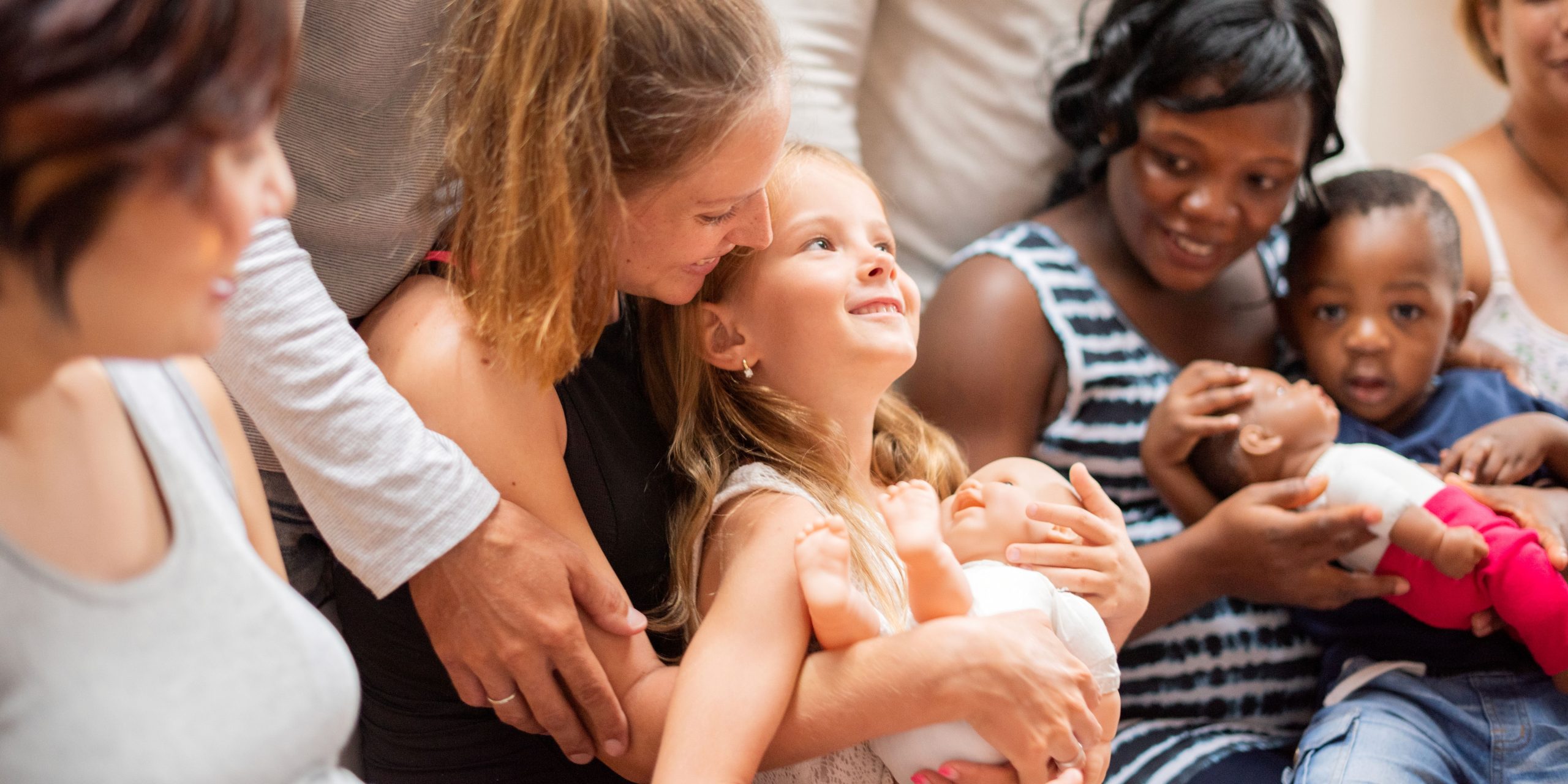
Dr Elmien Claassens says motherhood in South Africa is best understood not as an individual role, but as a shared communal responsibility rooted in ubuntu. Picture: Shutterstock
Share
Facebook Twitter LinkedIn Pinterest Email
  • Motherhood in South Africa is often a shared communal responsibility rather than an individual role.
  • Alternative caregiving structures reflect resilience, reciprocity, and the spirit of ubuntu.
  • Supporting communal care systems is essential for protecting vulnerable children and caregivers.

As Mother’s Day approached on Sunday, 10 May 2026, the shops were filled with floral tributes and cards addressed to the “World’s Best Mom”.

While these gestures are well-intentioned, they often reflect a Western, nuclear family lens that fails to capture the profound, communal reality of caregiving in our country. As a social worker grounded in Afrocentric practice, I believe it is time we shift our gaze.

In South Africa, motherhood is not merely a biological status or a solo performance. It is a shared responsibility that embodies the spirit of ubuntu, the South African belief that a person’s humanity is tied to others, often translated as “I am because we are”.

According to the General Household Survey released by Statistics South Africa in 2025, 42,4% of households were headed by women. More than a quarter, 26,9%, of households consisted of a single person, while 39,4% were nuclear households comprised of parents and children.

More than one tenth, 11,7%, were orphaned, having lost one or both parents, and almost one fifth, 18,8%, of children lived with neither of their biological parents. This indicates that, from an Afrocentric worldview, the concept of a “mother” transcends the individual. It is the foundation of our social fabric, where motherhood is less about a single figure and more about a collective function.

In our communities, the title of mother is earned through nurturing, regardless of bloodline. We see this, for example, in the form of the so called gogo, or grandmother, revolution, where grandmothers step into the breach to raise grandchildren, often on nothing more than a state pension, and in instances where an aunt, neighbour, or teacher provides the emotional care a child needs to thrive.

Furthermore, South Africa is known for child-headed households, where siblings, who are children themselves, step into the role of protector, displaying a fierce, sacrificial love that is as maternal as any traditional bond.

The strength of communal care

This village approach to parenting creates a unique social ecosystem in South Africa. When a community adopts an Afrocentric approach to care, the child learns at a young age that they belong to a wider network. This fosters a deep sense of communal identity and social responsibility. We often see a “pay it back” culture emerge from these structures.

A child raised by a village often grows into an adult who feels a profound duty to uplift that same village. This cycle of reciprocity is what keeps our social fabric from unravelling amid poverty and systemic inequality.

When the village is stretched thin

However, we must be cautious not to romanticise the struggle. In many cases, the village we refer to is often stretched thin. For a teenager leading a household, being a “mother” to her siblings is an act of heroism, but it is also a thief of her childhood. The emotional and practical burden of balancing school with chores and the constant anxiety about provision can lead to parentification, in which the child’s own developmental needs are sidelined for the survival of the family unit.

If we are to support South African families effectively, we must stop viewing alternative caregiving structures as broken versions of the nuclear family. Instead, they must be recognised as a resilient adaptation of family structure.

An Afrocentric approach invites us to celebrate the fluidity of the South African home. Resilience is not found in the presence of a single mother figure, but in the strength of the connections between different caregivers. When we support a gogo, or provide resources to a child-headed household, we are honouring the spirit of motherhood in its most expansive form.

This Mother’s Day, let us broaden our gratitude towards all forms of motherhood. Let us not only celebrate biological mothers, but also honour the mothers by heart and the mothers by necessity within our communities.

As a society, to truly live the principles of ubuntu, our mothering must extend beyond our own fences. We must advocate for policies that support communal care, including better social grants, community-based child protection, and mental health support for those who carry the heavy burden of caregiving alone.

In South Africa, the heartbeat of a mother is not found in one person, but in the collective rhythm of a community that refuses to let any child walk alone. That is the true meaning of the ubuntu spirit behind motherhood in our context, a love as wide and deep as the continent itself.

Conviction.co.za

Get your news on the go. Clickhere to follow the Conviction WhatsApp channel.

Share. Facebook Twitter Pinterest LinkedIn Tumblr Telegram Email
Dr Elmien Claassens

    Senior lecturer in the Department of Social Work and Criminology, Faculty of Humanities, University of Pretoria.

    Related Posts

    Illegal immigration emboldens racism, inequality, unemployment, and other social ills in SA

    May 11, 2026

    The CV lie that could end your career before it starts and leave you facing dismissal, disgrace

    May 7, 2026

    After the dust settles: What happens when a building collapses on a construction site

    May 6, 2026
    Leave A Reply Cancel Reply

    Prove your humanity: 2   +   4   =  

    Subscribe to our newsletter:
    Top Posts

    Making sectional title rules that work: A practical guide

    January 17, 2025

    Protection order among the consequences of trespassing in an ‘Exclusive Use Area’

    December 31, 2024

    Between a rock and a foul-smelling place

    November 27, 2024

    Irregular levy increases, mismanagement, and legal threats in a sectional title scheme

    June 2, 2025
    Don't Miss
    Criminal Law
    1 Min Read

    Fake Bonang Matheba and Idols SA winner Karabo calls used to lure women into rape trap

    By Kennedy MudzuliMay 12, 20261 Min Read

    A Mpumalanga rapist who posed as celebrity associates and promised fake photoshoots with Bonang Matheba and Idols SA winner Karabo has been sentenced to life imprisonment plus 30 years.

    Nine years of neglect leaves grieving mother waiting for son’s pension death benefit

    May 12, 2026

    Illegal immigration emboldens racism, inequality, unemployment, and other social ills in SA

    May 11, 2026

    Webber Wentzel candidate attorney policy survives legal challenge

    May 11, 2026
    Stay In Touch
    • Facebook
    • Twitter
    • WhatsApp
    Demo
    About Us
    About Us

    Helping South Africans to navigate the legal landscape; providing accessible legal information; and giving a voice to those seeking justice.

    Facebook X (Twitter) WhatsApp
    Our Picks

    Fake Bonang Matheba and Idols SA winner Karabo calls used to lure women into rape trap

    May 12, 2026

    Nine years of neglect leaves grieving mother waiting for son’s pension death benefit

    May 12, 2026

    Illegal immigration emboldens racism, inequality, unemployment, and other social ills in SA

    May 11, 2026
    Most Popular

    Making sectional title rules that work: A practical guide

    January 17, 2025

    Protection order among the consequences of trespassing in an ‘Exclusive Use Area’

    December 31, 2024

    Between a rock and a foul-smelling place

    November 27, 2024
    © 2026 Conviction.
    • Home
    • Law & Justice
    • Special Reports
    • Opinion
    • Ask The Expert
    • Get In Touch

    Type above and press Enter to search. Press Esc to cancel.