







- Suspended Deputy National Police Commissioner Lieutenant-General Shadrack Sibiya is facing charges of rape, trafficking, and sexual grooming.
- According to the State, Sibiya sexually groomed a 16-year-old girl and obtained explicit material from her.
- Dr Sheena Swemmer explains that South African law treats consent differently depending on whether the case involves rape, grooming, trafficking, or child sexual abuse imagery.
The rape, human trafficking and sexual grooming case involving suspended Deputy National Police Commissioner Lieutenant General Shadrack Sibiya has raised questions about how South African law treats consent when different sexual offences are involved.
Sibiya faces charges including rape, human trafficking and three charges relating to the alleged sexual grooming of a 16-year-old girl. He has denied the allegations against him.
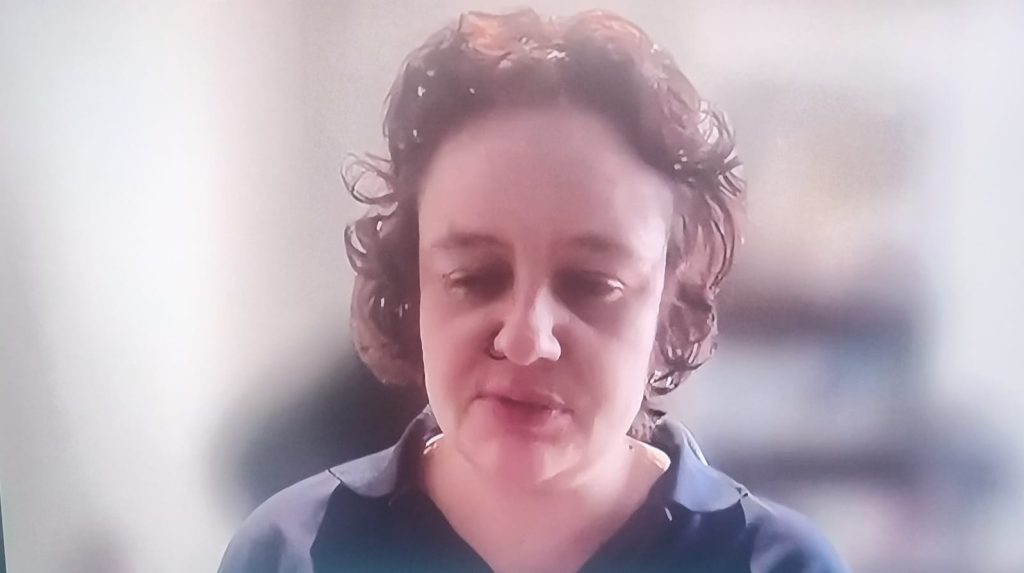
Speaking to Newzroom Afrika, Dr Sheena Swemmer of the Wits School of Law explained the different legal provisions that apply to consent, grooming, trafficking and the creation of child sexual abuse imagery, including why the law applies different age thresholds to different offences.
Why the law distinguishes between 16 and 18
Swemmer said South African law has different age thresholds depending on the conduct involved. She explained that when it comes to consenting to a sexual encounter, including penetrative intercourse, the age of consent is 16.
However, the Children’s Act recognises anyone under the age of 18 as a child, and Swemmer said that distinction is carried through into the Sexual Offences Act in relation to offences such as grooming and trafficking.
“So it is a strange difference,” Swemmer said, explaining that the distinction exists because the relevant protections are rooted in the Children’s Act and are then carried through into the Sexual Offences Act.
A child cannot consent to creating sexual abuse imagery
Swemmer said consent does not operate in the same way where the alleged conduct involves the creation of child sexual abuse imagery. She said that if someone under the age of 18 sends a naked image of themselves, the creation of that material constitutes child sexual abuse imagery and consent is not a requirement.
“In relation to the creation of child abuse imagery, so any pictures that are sent by someone who’s under the age of 18 of themselves naked is creating child intimate abuse imagery,” she said. “That doesn’t require consent; there’s no requirement of consent. So consent is not considered.”
Swemmer contrasted this with rape and other sexual encounters, where consent forms part of the legal consideration. “When we look at rape, or we look at those types of sexual encounters, we include consent, and therefore that comes into play,” she said.
How grooming differs from consensual relationships
Swemmer said grooming is different from a consensual relationship because consent is not one of the foundational features of the grooming offence. She described grooming as conduct in which an adult may show a child pornography or touch the child in different ways that may initially appear consensual, while gradually breaking down the child’s barriers and resistance so that the adult can commit a sexual offence against the child.
“That’s what grooming is,” Swemmer said. She added that the child cannot simply agree to the grooming itself and make it consensual. “Grooming doesn’t require, there’s no consent. The child cannot say yes to it. That’s not consent,” she said.
Power relationships do not automatically remove consent
Swemmer was asked whether an adult’s position of authority, wealth or an existing relationship with a child’s family automatically creates an imbalance that amounts to coercion. She said the Sexual Offences Act contains provisions dealing with circumstances that can affect consent, including differential power dynamics between individuals, but that the existence of a power relationship does not automatically mean there is no consent.
“If a principal is engaging with a student, that is not an automatic consideration that there is no consent,” Swemmer said. She explained that where the person is over 16, there would still be consideration of whether the power relationship is sufficiently strong to negate consent entirely.
Consent and trafficking
Swemmer said trafficking presents another distinction because consent is not part of the definition in the same way that it is relevant to rape. She described trafficking as broad and said it can involve transporting, holding or moving someone in circumstances connected to the commission of a sexual offence.
“With trafficking, it’s incredibly broad,” she said. Swemmer explained that consent could be raised by the defence as a justification, but the prosecution does not have to prove a lack of consent in the same way that it does in a rape case. “So consent can be used as a justification for the defence, but the prosecution doesn’t have to prove a lack of consent as they do in rape cases,” she said.
The different legal thresholds
Swemmer said the different age thresholds can appear unusual because South African law deals with different offences in different ways. She said courts encounter situations involving the difference between the age of 16 and the age of 18, particularly when dealing with sexual offences and the protection of children.
“I think it’s more novel for us watching this,” she said, adding that the case provides an opportunity to understand how the law deals with vulnerability and why certain offences do not make consent a central part of the prosecution’s case.
The bail proceedings in the Sibiya matter continue, with the allegations against him yet to be determined. He remains behind bars.

Get your news on the go. Click here to follow the Conviction WhatsApp channel.


