


- The Supreme Court reinstated the civil marriage and joint will of Ndavheleseni and Thimbiluni Tshivhase, rejecting a disputed claim to a customary marriage.
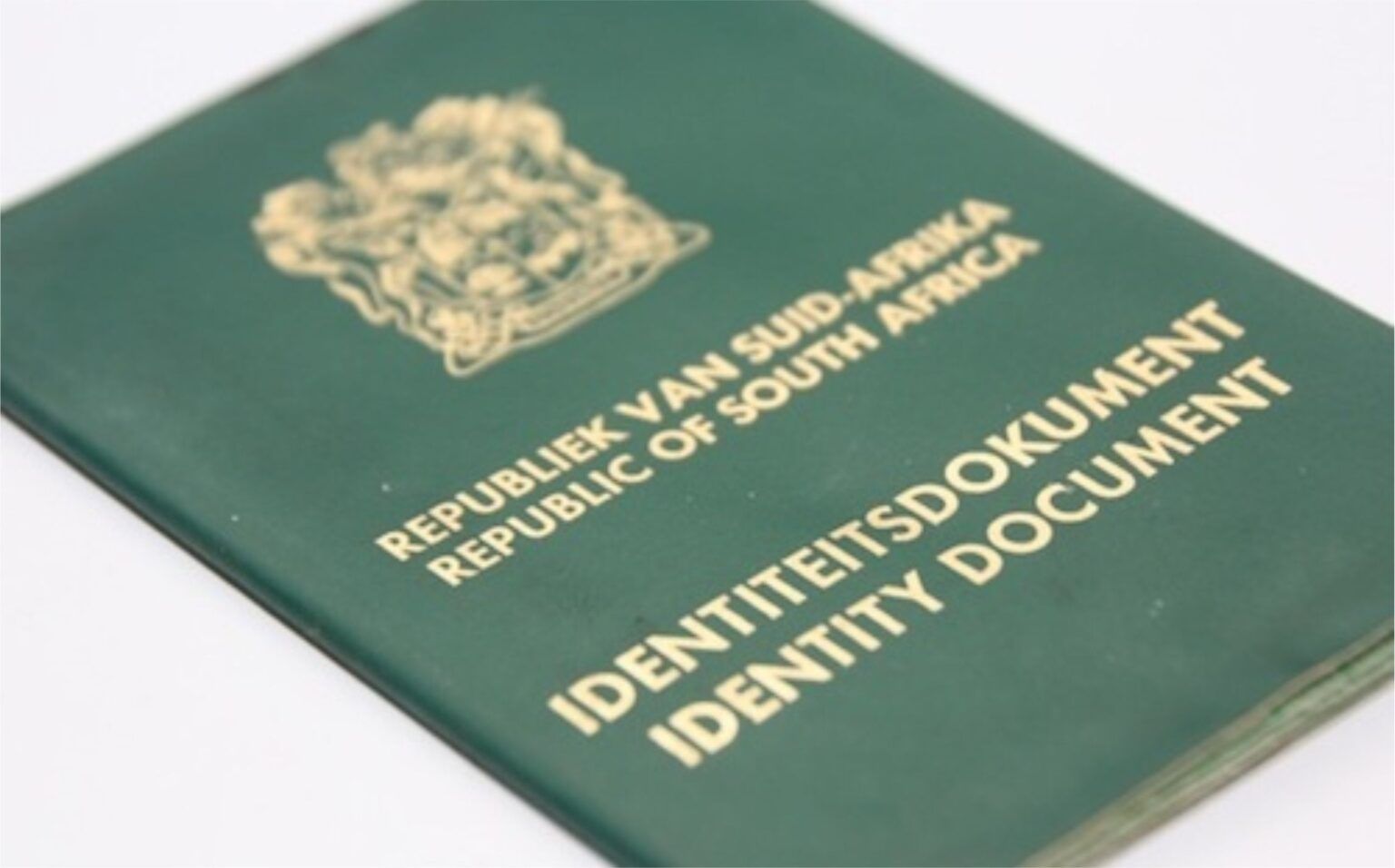
- The respondent’s sole reliance on an outdated identity document was deemed legally insufficient, as no additional evidence was provided.
- The high court was strongly criticised for procedural errors, including failing to involve affected parties and not giving timely reasons for its judgment.
The Tshivhase v Tshivhase case was about a difficult family inheritance dispute after Ndavheleseni Lazarus Tshivhase died. Azwihangwisi Francinah Tshivhase, the respondent, said she had married the deceased under customary law back in 1966. She argued that this meant his later civil marriage to Thimbiluni Elizabeth Tshivhase and their joint Will should not be valid.
Her claim rested almost entirely on an identity document issued by the former Republic of Venda, which listed her marital status as “married". The Supreme Court found this document to be insufficient and legally inconclusive. It reaffirmed that identity entries do not constitute proof of marriage and cannot override formal civil registration.
The respondent failed to produce any corroborative evidence. There was no lobola agreement, no witness affidavits, no details of rituals or negotiations. Her testimony lacked specificity and was contradicted by the deceased’s documented conduct, including his formal civil marriage and estate planning.
Civil marriage upheld, joint will reinstated
The appellant, Thimbiluni Tshivhase, had married the deceased in 1977 under the Black Administration Act. Their union was registered, and a valid marriage certificate was issued. In 2009, the couple executed a joint will, which was accepted by the Master of the High Court and formed the basis of their estate planning.
Despite this, the High Court declared the marriage void and set aside the will, without joining the affected beneficiaries or providing reasons for its decision. The Supreme Court found this deeply flawed. It held that the respondent had not complied with the Recognition of Customary Marriages Act, which requires formal declarations and registration when a customary union precedes a civil marriage.
The court ruled that the civil marriage was legally sound and that the joint will must be reinstated. It emphasised that the invalidation of the will had prejudiced third parties who were excluded from the proceedings, rendering the High Court’s dismissal of the non-joinder point legally untenable.
Judicial accountability: A rare rebuke
In a striking condemnation, the Supreme Court criticised the High Court judge for failing to provide reasons when the original order was handed down. Only after a complaint was lodged with the Judicial Service Commission did the judge offer a belated explanation, which the appellate bench described as “ill-conceived” and “contrary to the rule of law.”
The judgment reaffirmed that judicial accountability demands timely, reasoned decisions, especially in cases involving marital status, inheritance, and the rights of third parties. The Court found that the high court’s conduct undermined public confidence in the judiciary and violated foundational principles of procedural fairness.
Legal precedent and broader implications
The ruling reinforces the evidentiary rigor required to prove customary marriages, particularly when they are used to challenge civil unions and estate instruments. The court cited its own precedent in Manwadu v Manwadu, reiterating that identity documents cannot substitute for marriage certificates or formal declarations.
It also clarified that the Recognition of Customary Marriages Act does not operate retroactively to validate unregistered unions that predate civil marriages. The judgment sets a clear precedent: customary claims must be substantiated with formal evidence, and procedural fairness must be upheld in all estate litigation.
Get your news on the go. Click here to follow the Conviction WhatsApp channel.


