





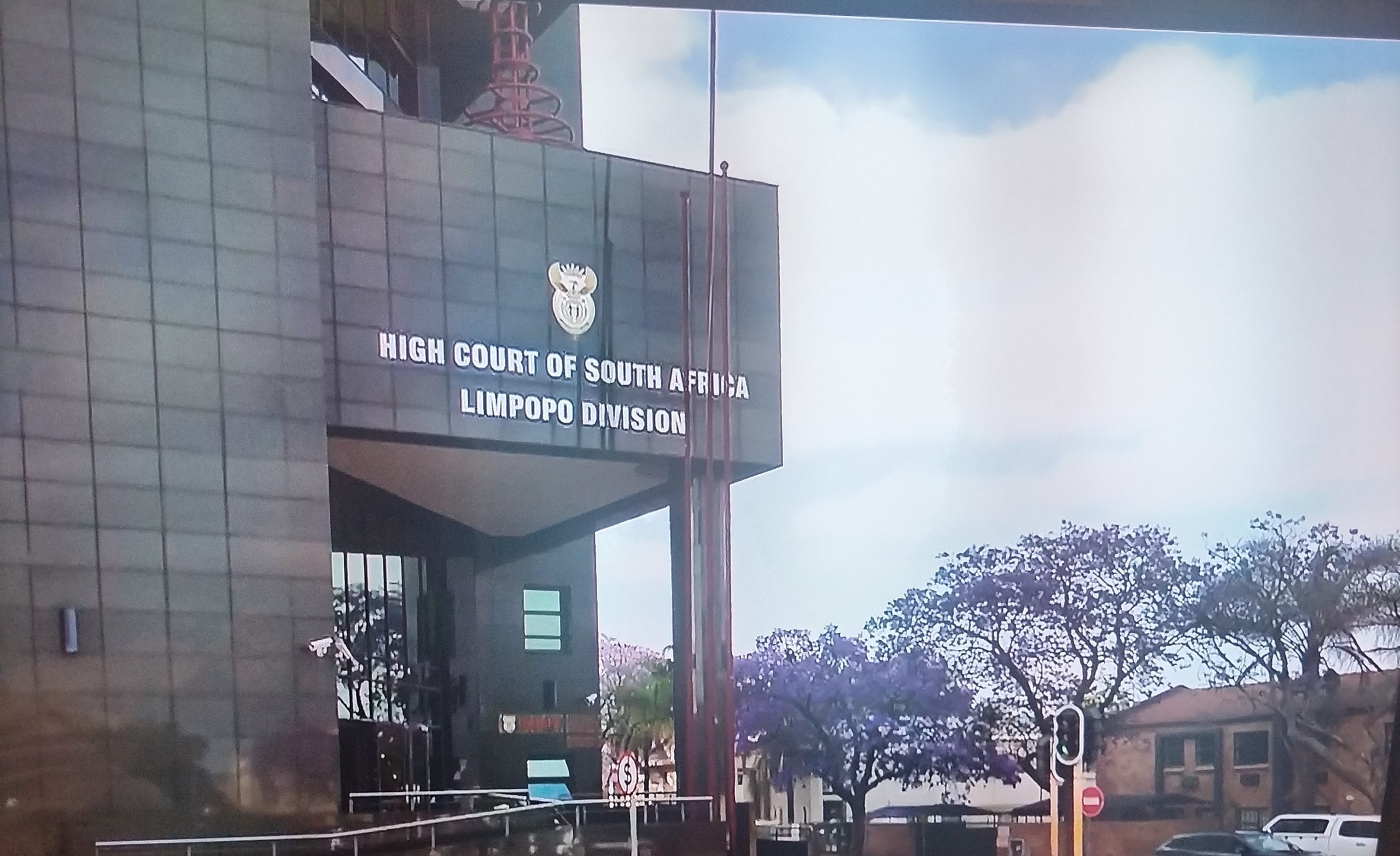
- The High Court ruled that the magistrate’s failure to allow the police to present evidence was a serious legal blunder that destroyed the fairness of the trial.
- Judge GC Muller said the denial of the defence’s right to be heard violated section 34 of the Constitution.
- The unlawful arrest case will now be reheard from the beginning before a different magistrate, with the Minister of Police covering the appeal costs.
When Ngwanatlala Simon Phasha walked into the High Court in Polokwane on appeal, he was not merely challenging the rejection of his claim for unlawful arrest. He was asking the court to confront a failure far more serious than an unfavourable verdict. At stake was the integrity of an entire trial process that, as the court found, never truly happened.
Phasha, a police officer himself at the time of his arrest, had been detained overnight in October 2019 after being arrested without a warrant. When he sued the Minister of Police for damages, the regional court dismissed his case, even though the defence never called a single witness. The High Court found that this was not only irregular but unconstitutional.
In overturning the judgment, Judge GC Muller did not mince his words. He held that the magistrate’s approach had fatally poisoned the case from within. “The failure to allow the defendant to present its case by adducing evidence deprived the defendant of the right of audi alteram partem,” the judge said. He went further, describing the omission as “a gross irregularity, which violated the right to a fair trial as envisaged by section 34 of the Constitution, and vitiated the proceedings.”
Court rejects ‘trial by paperwork’
A central problem in the original trial was that the magistrate allowed the matter to proceed straight to closing arguments after the plaintiff finished giving evidence. The defence was never formally invited to present its case. Worse still, when judgment was delivered, the magistrate wrote that “the defendants led no witnesses and relied on what is contained in their papers”.
The High Court found this deeply troubling. Judge Muller made it clear that civil cases are decided through evidence, not pleadings. He stressed that the trial court operated under a fundamental misconception of its duties and that the remark exposed how the proceedings had drifted into legal fiction.
What disturbed the High Court even more was that the burden had already shifted to the State. Because the arrest had taken place without a warrant, the police were required to justify it. In Judge Muller’s words, “the onus in the present matter was on the defendant to justify the arrest under circumstances where the arrest took place without a warrant of arrest, which is prima facie unlawful.” Without hearing the defence, the court was left with only one side of the story and then proceeded to rule anyway.
The judge also criticised the failure to apply basic court rules that regulate how trials unfold. He noted that Magistrates’ Court Rule 29(9)(a), which governs the order of testimony between parties, “was similarly not given effect to.” The court found that the procedure was not just mishandled but effectively abandoned.
Legal duty breached inside the courtroom
Judge Muller also delivered a rare and pointed rebuke to the lawyers involved, indicating that the breakdown in fairness was not the court’s failure alone. “The failure by the legal representatives who appeared at the trial to alert the magistrate to the failure to allow the defendant to exercise its rights reflects badly on their duty as officers of the court,” he said.
He stressed that the mistake could have been remedied instantly if either legal team had spoken up. “The situation could have been rectified, there and then, without prejudice to any of the parties,” the judgment noted. Instead, silence prevailed, and an entire case collapsed under appeal scrutiny.
Justice demands a complete restart
The court ultimately concluded that nothing from the original trial could be salvaged. It ordered the matter to begin afresh before a new magistrate, stating bluntly that “the interest of justice dictates that the trial should start de novo before another magistrate.”
The appeal court also addressed a procedural glitch regarding the filing of the notice of appeal, but allowed the case to proceed regardless. Judge Muller remarked that “it is, furthermore, in the interest of justice that the appeal be disposed of as a matter of urgency,” emphasising that both parties had already endured unnecessary delay.
On the question of costs, the court ruled firmly in favour of Phasha. “The appellant needed to approach this court to overturn the order of the magistrate,” Judge Muller said. The Minister of Police was ordered to pay the appeal costs. No order was made regarding costs in the lower court.
Get your news on the go. Click here to follow the Conviction WhatsApp channel.


