






- South Africa’s Women, Peace and Security agenda needs to move beyond commitments and frameworks towards measurable implementation and accountability.
- Declining representation of women in key positions highlights the gap between South Africa’s gender-mainstreaming ambitions and its implementation record.
- The new 2026–2030 National Action Plan must address emerging threats, strengthen monitoring and bring peace and security initiatives to communities.
On 1 October, the Department of International Relations and Cooperation hosted a policy brief dialogue forum comprising civil society, the private sector, academia, and organisations concerned with the transformation of gender issues in South Africa.
The dialogue deliberated on crafting the new action plan following the President of South Africa’s speech on 29 September 2026 regarding the scourge of violence against women. The purpose of the deliberation was to address women’s participation in peace and security, provide a progress update from the 2020–2025 National Action Plan (NAP) on Women, Peace and Security, and present an overview report of the focal points requiring amendment.
The aim of the dialogue and discussion is to empower civil society to take the lead in implementing the 2nd Generational National Action Plan on Women, Peace and Security 2026–2030. The policy forum’s structure is designed to ensure regular meetings, allowing the voices of civil society and community-led organisations on GBVF to be heard, fostering integration and learning as needed. The National Strategic Plan (NSP) and the NAP on Women, Peace and Security should remain focal points, with the peace desk incorporated into the existing institutional machinery.
Learning from the first plan
The adoption of the implementation plan affirms that South Africa is not at war with GBVF, but instead should focus on human rights, prioritising individual safety and dignity within a human security framework. The aim is to ensure that women and children are free from fear and can safely go jogging, visit post offices, and work without experiencing harassment or structural barriers.
The proposal emphasises the need to protect women from human rights abuses in general, particularly vulnerable groups such as women, children, people living with disabilities, LGBTQIA+, and gender non-conforming persons.
It is important to learn from the successes and challenges of the 1st Generational Plan to avoid repeating mistakes in 2026–2030. The process to develop the first National Action Plan took nearly 20 years, and some targets remain unmet as they are unachievable.
The previous NAP 2020–2025 has an overall achievement rate of 37%. This is a low figure, and some targets are unachievable and should be removed, leaving 63% remaining. The new NAP should have measurable and achievable targets, stronger coordination plans, a robust monitoring and evaluation component and should be fully costed.
Responding to emerging threats
The new plan must incorporate new and emerging issues such as climate change, artificial intelligence and technology-facilitated GBVF as part of the emerging threats, ensuring the NAP 2026–2030 remains relevant to recent challenges.
There is also a need to increase popularisation and awareness among women and community leaders, as they are the primary drivers of implementation. With South Africa’s 2026 Local Government Elections approaching, it is proposed to foster greater community engagement in peacebuilding initiatives. Additional recommendations include increasing training in mediation and peacebuilding for women and continuing support for the Young Women in Peacebuilding Awards.
Globally, over 112 countries have developed National Action Plans, 35 in Africa and seven in Southern Africa. Uganda, for example, is on its 4th NAP and is progressing rapidly. There is a need for greater participation in multinational and bilateral peer learning and sharing of best practices, focusing on implementation rather than recreating frameworks.
Closing the gap between policy and reality
A key area of concern is that while South Africa is generally exemplary in gender mainstreaming, women’s representation has declined, with some other African countries now surpassing South Africa. The Department of Women, Youth, and People Living with Disabilities can assist by improving reporting and monitoring across action plan categories and ensuring quarterly targets are met for both the NSP-GBVF and the NAP-WPS.
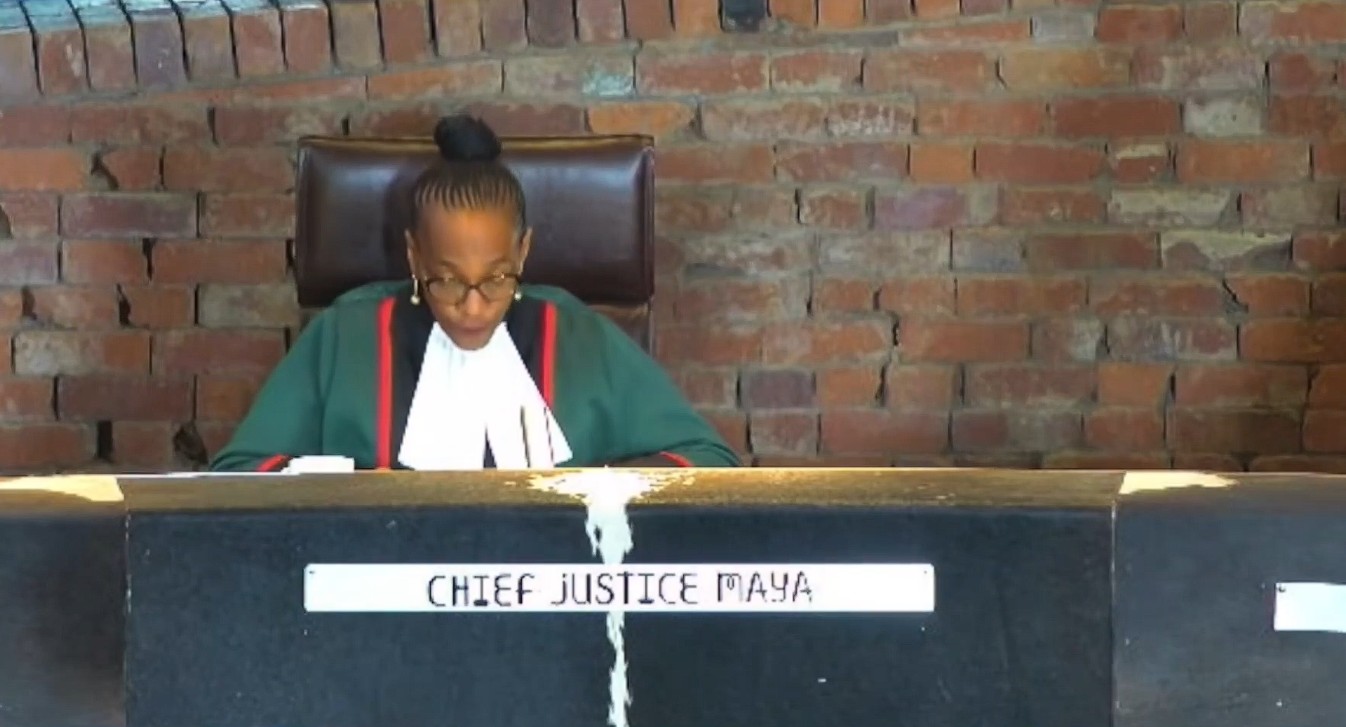
Despite a decrease in women’s parliamentary representation to 48%, there has been a historic appointment of Justice Mandisa Maya as the first woman Chief Justice. However, only 35% of mayors are women, and men remain at the top of the hierarchy.
In government, only 24% of Director General positions are held by women, and disability inclusion remains low at 3%. Only two of nine provincial premiers are women; women constitute 30% in the defence and security sector, and just 17% in deployment compared to men.
South Africa is not at war, nor is it fully at peace; the absence of war does not equate to peace, especially in the context of ongoing GBVF. This is significant not only for South Africa but for the broader continental agenda. The country does not lack policies, frameworks or legislation, yet violence and sexual offences remain high and pose major security threats to a gender-responsive society.
It is crucial to develop and streamline peace missions and forums to address these issues, ensuring that objectives are clearly articulated and achieved. Formal structures should focus on current strengths and pressing issues, with mechanisms that are both coordinated and effective. A key challenge is integrating indicators at the local government level that feed into communities, while provincial governments slowly adopt the model and establish a process for quarterly reviews.
The Department of Women, Youth, and People Living with Disabilities is responsible for implementing the NSP across its different pillars. The national focal point manages secretarial work, while the department integrates these priorities into its strategic and annual performance plans. Institutionalisation, aligned with gender-responsive budgeting, ensures that activities are effectively carried out and reported on.
Get your news on the go. Click here to follow the Conviction WhatsApp channel.
The opinions expressed in this article are solely those of the author and do not necessarily reflect the views of Conviction.co.za


