


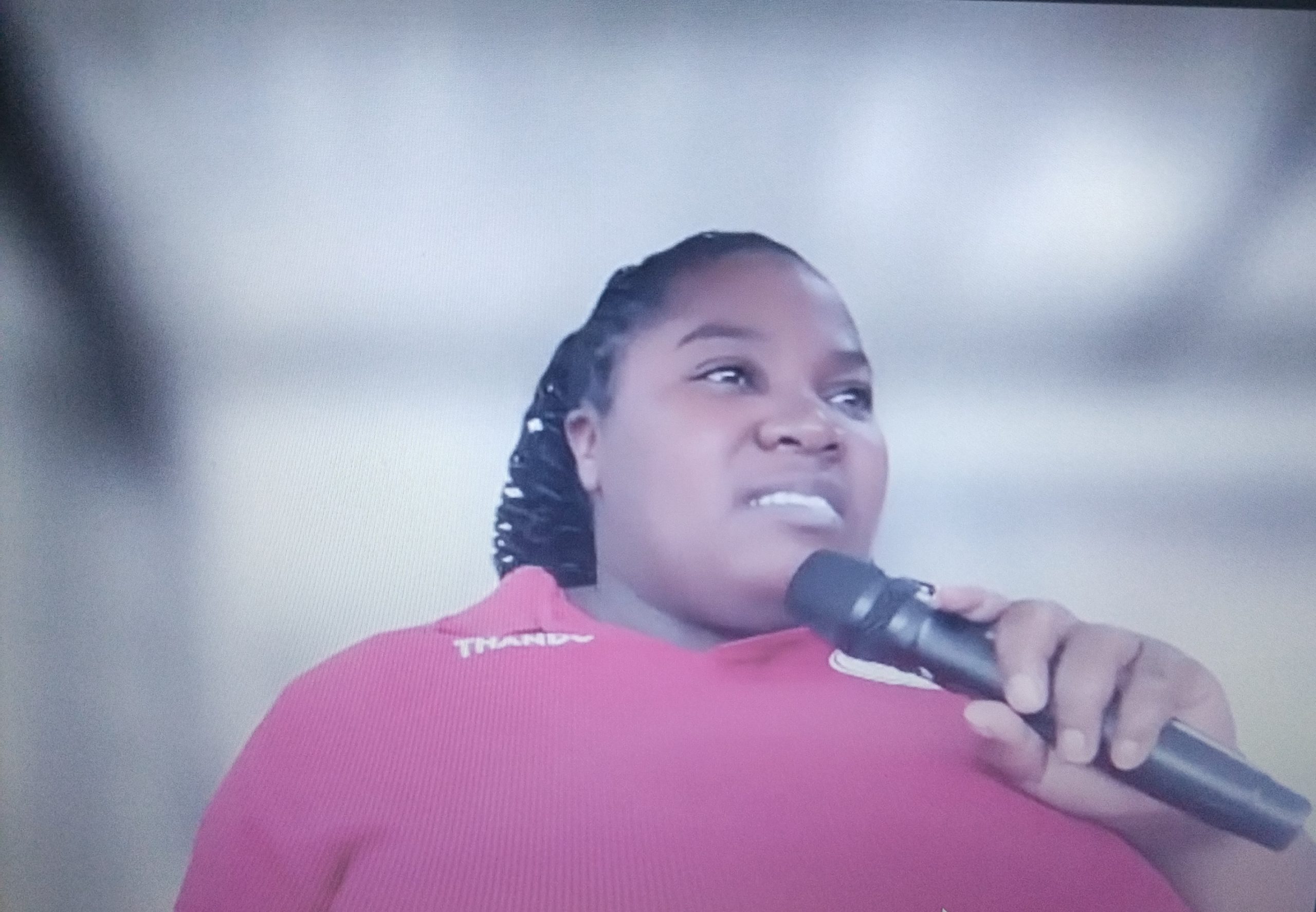
The Community Accountability Dialogue held on 22 April 2025 in Matatiele, Eastern Cape, heard firsthand accounts of entrenched attitudes that perpetuate gender-based violence (GBV).
Among them was that of a participant voicing the prevailing mindset of some men who perceive women wearing leggings as inviting sexual objectification, equating it to a nightdress.
“The problem is that men tend to see women as objects; that they are entitled to women’s bodies,” one participant expressed. This sentiment encapsulates the broader issue tackled during the dialogue, the deep-rooted beliefs that continue to justify and normalize gender-based violence.
Cwecwe’s case sparks community action
Matatiele has been in the spotlight following the alleged rape of a young girl, publicly known as Cwecwe. Medical examinations confirmed evidence of sexual violence, amplifying the urgent need for systemic reform and heightened community vigilance to protect children. Investigations into the case remain ongoing.
The dialogue brought together activists, legal experts, community-based organizations, and government representatives to reflect on violations, share lived experiences, and craft solutions anchored in legal frameworks and grassroots action.
Stories of survival and resistance
Virtual and in-person attendees came forward with harrowing accounts of gender-based violence, shedding light on urgent issues affecting children and women in Matatiele.
One story revealed a painful truth, a young girl who had suffered years of abuse at the hands of her father only recognised her trauma after a peer defined it for her. Her experience underscores a critical need for education on sexual violence and its manifestations.
Testimonies also exposed the spectrum of gender-based violence, including subtle forms of coercion and control. One woman spoke of being manipulated into living away from home, a form of psychological abuse masked as affection. In another harrowing account, participant heard of a mother who reported the rape of her children by their father, only for her to be shamed by their community.
Throughout the discussions, accounts emerged of violence rooted in everyday behavior. “It happens to all wives,” a woman recalled being told by a victim of physical abuse at the hands of her husband, simply for self-care. Stories of husbands reacting violently to insecurities and suspicion of infidelity paint a bleak picture of domestic life defined by fear and silence. These narratives starkly highlight the community’s persistent indifference to abuse.
The role of fathers and the failures of society
Participants reflected on the transformation of fatherhood roles over time, with one speaker lamenting: “Where did we go wrong?” Once seen as a girl’s first love and protector, many fathers have become perpetrators, leaving a trail of fractured trust and trauma, she said, adding that this realisation calls for a deeper examination of societal failures that perpetuate cycles of violence.
Despite often being cast as aggressors, some men shared their struggles under patriarchal expectations, revealing that they too suffer abuse, especially when they fail to fulfill traditional provider roles. These revelations opened a complex discussion on gender roles and vulnerabilities seldom acknowledged.
Concerns also surfaced regarding traditional initiation schools, with fears that boys returning from these institutions may reinforce harmful attitudes rather than embrace healthy masculinity.
A call to action
Legal experts emphasised the need for stronger law enforcement interventions, efficient investigations, and survivor-centred judicial processes. Contributions from organisations such as Lawyers for Human Rights and The Initiative for Strategic Litigation in Africa reinforced the importance of addressing systemic injustices in local contexts.
#Conviction
Get your news on the go. Click here to follow the Conviction WhatsApp channel.
