


- Clients handed over thousands of rand and got nothing in return, no service, no refund, and no explanation of where their money went.
- Smith practised without a Fidelity Fund Certificate from at least 2018, in open breach of the law.
- The court declared him unfit to practise, ordered his suspension, and awarded punitive costs against him.
Clients paid thousands of rand for legal help they never received. The money went unaccounted for, and when asked to explain, George Smith could not produce a single record to show where those funds had gone.
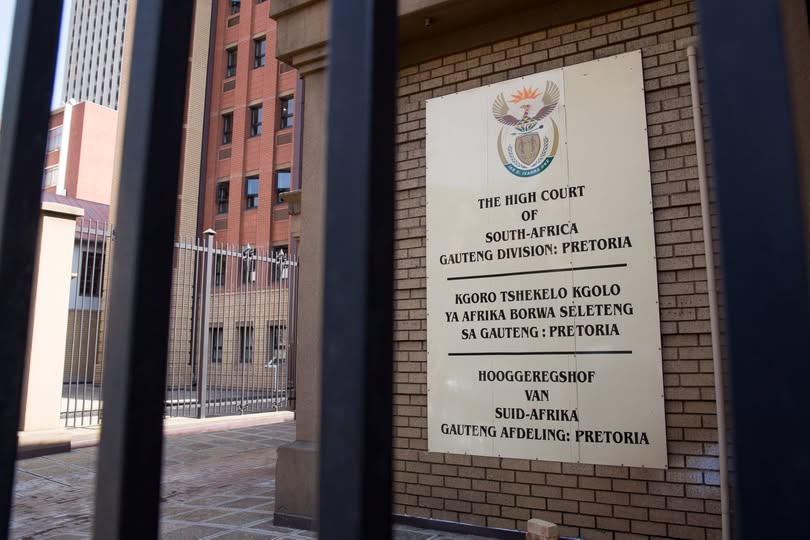
It is this conduct that ultimately cost Pretoria attorney Smith his right to practise. The High Court in Pretoria heard multiple complaints from ordinary members of the public, each one painting a troubling picture of an attorney who had lost sight of his obligations to his clients.
One client, identified in the judgment only as Mr Naidoo, paid R30 000 to prevent his vehicle from being repossessed. It was repossessed anyway, and he never saw his money again. Mr Fourie paid the same amount for help with an eviction matter and received nothing of value in return. Most strikingly, Ms Pienaar and her family paid R135 000, only for Smith to fail to appear in court and to provide no receipts or financial statements accounting for that sum.
Judge S Potterill recorded the seriousness of this failure, saying, “Smith cannot provide a single financial statement to provide a reckoning of the monies.”
Background and regulatory breaches
The South African Legal Practice Council brought the application, asking the court to suspend Smith on the basis that his conduct showed he was no longer fit and proper to continue practising. Smith had been admitted as an attorney on 28 April 2017 and ran his own practice under the name Smith Attorneys.
The court found that Smith had failed to meet a number of basic, mandatory obligations under the Legal Practice Act. He had not submitted the required audit reports, had not maintained proper accounting records, and had not paid his annual subscription fees, the kind of compliance that every practising attorney is expected to uphold.
Most significantly, he practised without a Fidelity Fund Certificate from at least 2018. Judge Potterill explained, “Lodging auditor reports as required serves as a safety mechanism for the public’s and clients’ money.”
Smith’s opposition and the court’s response
Smith did not seriously challenge the core allegations. He admitted to non-compliance but put it down to financial difficulties, a falling out with his accountant, and the disruption caused by the COVID-19 pandemic. He also raised procedural objections, arguing that a disciplinary hearing should have come first, and claimed that his constitutional rights had been violated.
The court rejected all of these arguments, finding no legal basis for any of them. As Judge Potterill put it plainly, “He can practise his chosen profession, but must comply with the Rules.”
The court also dismissed a series of related attempts by Smith, including efforts to block disciplinary proceedings, claim a right of appearance without satisfying the legal requirements, and extract financial relief from the Legal Practice Council.
Continued unlawful practice and lack of insight
What the court found particularly troubling was that Smith had continued to practise throughout all of this, fully aware that he held no Fidelity Fund Certificate, and even while the suspension application against him had been working its way through the courts for years. He admitted to still practising in 2026 without the required certificate.
Judge Potterill was unequivocal, stating that this conduct was unlawful and serious. Perhaps more damning still, the court found that Smith showed no real appreciation of just how grave his misconduct was.
Judge Potterill stated, “Smith is thus the author of his own misfortune.”
Court finding on fitness to practise
In reaching its conclusion, the court applied the established two-part test, first, whether the misconduct had been proven, and second, whether Smith remained fit to practise. On both counts, the court found against him. The misconduct was established on a balance of probabilities and, critically, it was still ongoing.
Judge Potterill concluded, “Smith has made himself guilty of dishonourable, unworthy and or unprofessional conduct.”
His failure to account for client funds, combined with years of ignoring basic regulatory requirements, meant that Smith had fallen far below the standard that the public is entitled to expect from a practising attorney.
Final order
The court held that Smith is not a fit and proper person to continue practising and ordered his suspension from the roll. Judge Potterill stated, “I am satisfied that Smith is not a fit and proper person to continue to practise.”
Costs were granted against Smith on an attorney and client scale, the most punitive cost order available.
Get your news on the go. Click here to follow the Conviction WhatsApp channel.
