


- The NPA has decided to prosecute individuals implicated in the deaths of at least 141 mental healthcare users.
- The decision follows inquest findings that linked several deaths to negligence and systemic failures.
- Families have waited nearly a decade as delays were attributed to the complexity of the case and internal processes.
The National Prosecuting Authority (NPA) has confirmed it will prosecute individuals implicated in the deaths of mental healthcare users during the Life Esidimeni transfers, marking a long-awaited step toward accountability in one of South Africa’s most devastating human rights failures.
The tragedy unfolded between 2015 and 2016, when at least 141 people died after being removed from licensed care facilities and transferred to unregistered, ill-equipped organisations. Many were severely vulnerable, requiring continuous and specialised care, yet they were placed in environments wholly unable to meet even their most basic needs.
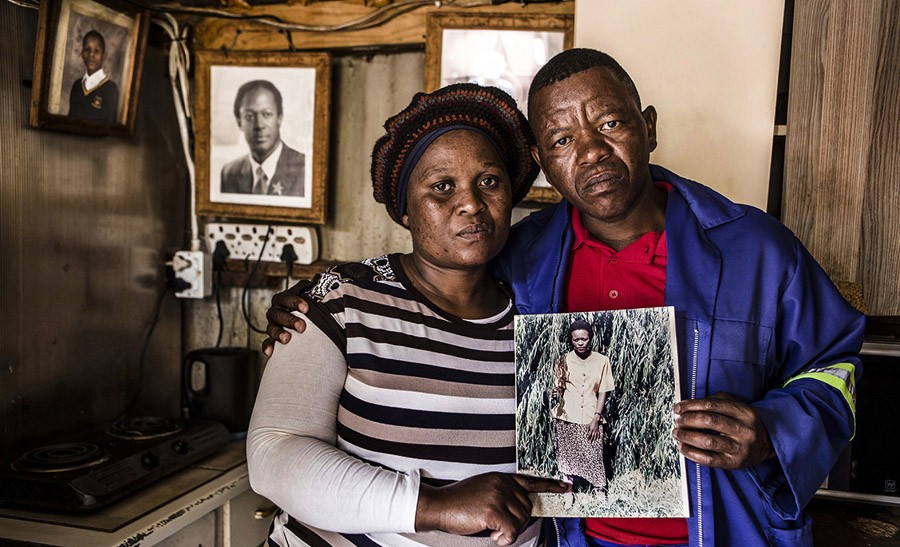
For nearly a decade, families have carried the weight of grief while navigating a slow and often opaque legal process. The NPA acknowledged that burden, stating, “The NPA acknowledges the pain and frustration experienced by affected families during this period.”
Background and delays in decision
The NPA explained that the delay in reaching a decision was shaped by the complexity of the matter and internal procedural requirements, factors that, for grieving families, did little to ease years of uncertainty.
It stated, “The delays were occasioned by the complexity of the case, the scale of the evidence, and the necessity of ensuring a thorough and legally sound process.”
In addition, the authority clarified that the final decision taken required endorsement at the highest level. It explained, “The delay in communicating the final decision was that it had to be endorsed by the National Director of Public Prosecutions (NDPP), Advocate Shamila Batohi, who retired at the end of January 2026.”
Following that transition, new NDPP Advocate Andy Mothibi was briefed on the matter before the decision could be made public.
After being briefed, Mothibi supported the progression of the case and the need for transparency. The NPA stated, “After he was briefed, the NDPP has expressed his appreciation at the progress in this matter and that the affected families and public needed to be informed that the NPA has decided to institute prosecution in this matter.”
Inquest findings and legal basis
The decision to prosecute is grounded in inquest findings presided over by Judge Mmonoa Teffo, which examined the circumstances surrounding each of the deaths.
The court found that several of the deaths were caused by negligence and systemic failures within the Gauteng Department of Health. It further identified individuals whose conduct may give rise to criminal liability.
Relying on these findings and the supporting evidence, the NPA assessed whether the legal threshold for prosecution had been met. It stated, “After careful consideration of the inquest findings, supporting evidence, and applicable legal standards, the NPA has resolved that there is sufficient basis to institute criminal prosecutions.”
Charges are expected to include culpable homicide, among others, against those deemed responsible for the negligent actions that cost these patients their lives.
Accountability and next steps
The move to prosecute shifts the matter from findings and acknowledgement to real criminal accountability. It places the focus squarely on individual responsibility, on the people whose decisions, made within a public institution, had fatal consequences.
The NPA emphasised, “This decision marks a critical step toward accountability and justice for the victims and their families.. The NPA reiterates its commitment to upholding the rule of law and ensuring that those responsible are held accountable in a court of law.”
Further details on court dates and specific charges are expected in due course.
Get your news on the go. Click here to follow the Conviction WhatsApp channel.
