


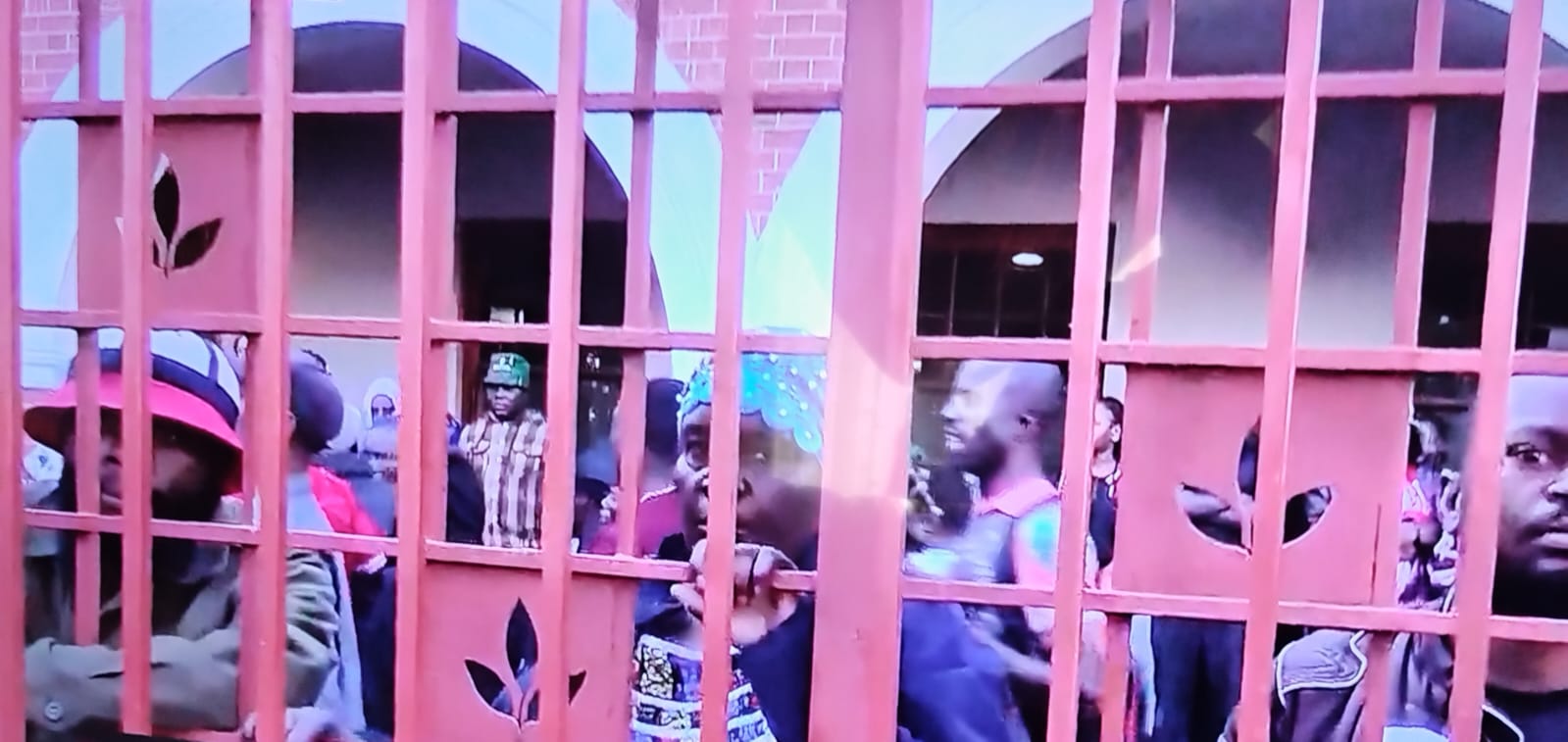
- Human rights groups have denounced recent xenophobic intimidation and violence against migrant communities, including children, in KwaZulu-Natal and Gauteng.
- They accused groups like March and March and Operation Dudula of threatening schools, harassing parents, and creating fear through organised campaigns.
- The groups urged the government, police, and education authorities to quickly protect students, prosecute those responsible, and uphold constitutional rights.
Human rights organisations have strongly condemned the recent surge of xenophobic violence and intimidation aimed at migrant communities in parts of KwaZulu-Natal and Gauteng. They warned that children are increasingly caught up in organised campaigns of fear.
ALSO READ: Police accused of using force against refugees who fled their homes in Durban
The joint statement was released by the Equal Education Law Centre, Equal Education, Children’s Institute, SECTION27, Kopanang Africa Against Xenophobia, and Lawyers for Human Rights on 20 May 2026.
The organisations reported that groups like March and March and Operation Dudula have spent months spreading fear and division by threatening schools and forcing parents to pull their kids from classrooms due to safety concerns.
The statement referred to a video allegedly showing organised groups outside a school in Gauteng as parents picked up their children after school. According to the organisations, children as young as five were escorted home while group members shouted, “Away with foreign nationals” through loudspeakers.
The organisations stated, “These acts are not only cowardly, but also attack our constitutional values and shared humanity.”
Schools and clinics targeted
The organisations noted that these recent incidents are part of a wider pattern of intimidation linked to xenophobic groups.
They referenced allegations from August 2025 when members of Operation Dudula reportedly stormed the maternity ward at Lillian Ngoyi Clinic, demanding identity documents from pregnant patients to verify their nationalities.
The statement also highlighted incidents involving schools in Soweto during September 2025, when former Operation Dudula leader Zandile Dabula allegedly confirmed that the group had delivered “warning letters” to 11 schools, threatening to block migrant students from attending classes.
The organisations further accused March and March, led by Jacinta Ngobese Zuma, along with members of the uMkhonto weSizwe Party, of harassing and intimidating parents and students at Addington Primary School for several days earlier in 2026.
Poverty and failing services blamed on deeper structural problems
The organisations argued that widespread poverty, unemployment, poor housing, failing public services, and issues within the education system are real frustrations faced by millions of South Africans. However, they warned against blaming migrants for problems rooted in the inequalities of the apartheid era, corruption, budget cuts, and years of state failure.
The statement pointed out overcrowded classrooms, poor infrastructure, unsafe sanitation, teacher shortages, unreliable electricity and water supply, and chronic underfunding in schools as long-standing issues that existed long before significant migration into many communities.
The organisations specifically mentioned the Metro East district in the Western Cape as an area with few migrants where education inequalities persist.
The groups explained that anti-immigration sentiment often rises when people feel economically insecure and politically ignored, rather than because migrants are actually taking resources from citizens.
The statement also criticised the Department of Home Affairs, claiming that bureaucratic failures and a dysfunctional documentation system affect both South Africans and foreign nationals.
The organisations noted that these failures prevent people from accessing education, jobs, and social services while also creating conditions that xenophobic groups exploit.
The statement said, “The solution is not violence against migrants, but a functioning, accountable Department of Home Affairs that serves all people in South Africa.”
Constitutional rights are not negotiable
The organisations emphasised that constitutional rights apply to everyone living in South Africa, regardless of nationality, immigration status, or documentation.
They referenced Section 9 of the Constitution, which guarantees equality and prohibits unfair discrimination, Section 10 protecting human dignity, and Section 12 ensuring freedom and security of the person.
The statement said, “Targeting individuals based on their nationality or migrant status undermines the rule of law and betrays the fundamental values of dignity, equality, and freedom that our democracy was built on.”
The groups also warned that social media has amplified misinformation and allowed organised xenophobic campaigns to spread quickly. According to the organisations, the violence was not spontaneous; it was planned, coordinated, and aimed at vulnerable people, including children.
Questions raised over funding of xenophobic groups
The organisations questioned how groups like March and March and Operation Dudula are funded. They pointed out that civil society organisations defending constitutional rights often have to disclose donor funding, while organisations accused of spreading xenophobic messages operate without similar scrutiny.
The statement referenced past claims by Dabula stating that human rights groups were “funded by non-South Africans,” while the financial supporters of Operation Dudula reportedly remain unknown.
The organisations insisted on determining who funded the lawyers, transportation, and organisation of national protests connected to these movements.
Calls for urgent government intervention
The organisations called on the South African Police Service to allocate resources to protect migrant communities, schools, and individuals at risk of attack.
They demanded the implementation of protective law enforcement measures around schools targeted by protesters to ensure that intimidation and conflict stay away from children. The statement urged police to issue clear public warnings that xenophobic violence is illegal and will be prosecuted.
The groups further demanded immediate investigations, arrests, and prosecutions against those accused of organising and carrying out attacks against migrants and their communities.
The organisations also called on the Department of Basic Education and provincial education departments to ensure all affected students can attend school safely, regardless of nationality or documentation status.
They stated that schools in affected areas should receive support, and no student should be excluded because of their background.
'When adults begin to dehumanise children'
The organisations warned that the country has reached a critical point where children are becoming direct targets of xenophobic hostility. The statement said, “When adults begin to dehumanise children, it marks a tipping point when society starts to lose its moral compass.”
The organisations pledged to continue using legal and advocacy means to defend the rights of all students in South Africa.
The statement concluded, “We will stand with every child who has a right to sit in a classroom because that right belongs to all of them.”
Get your news on the go. Click here to follow the Conviction WhatsApp channel.
