

- The Constitutional Court cited Professor Chijioke Okorie’s published copyright scholarship.
- The ruling confirmed that the proposed fair use exception in Section 12A is constitutional.
- The judgment supported several of the copyright reform arguments Professor Okorie has made in her academic work.
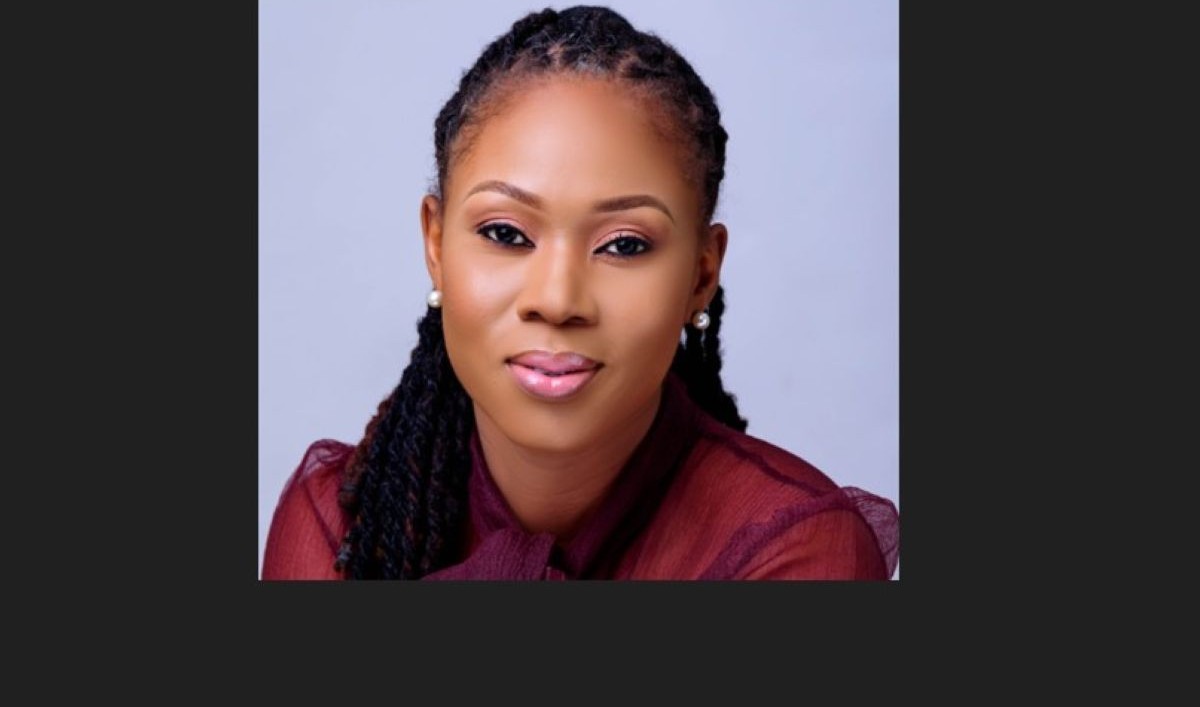
The Constitutional Court has cited the published work of University of Pretoria Associate Professor Chijioke Okorie in its landmark judgment on the constitutionality of South Africa’s Copyright Amendment Bill, making it one of the most significant judicial endorsements of local copyright scholarship.
Okorie, an Associate Professor in the Department of Private Law and an NRF-rated researcher, leads the Data Science Law Lab. The lab provides evidence and policy advice on data science and artificial intelligence research throughout Africa.
First referral of its kind
The Constitutional Court called the matter “a novel problem” and said it was the first referral case where the President’s reservations focused on the substance of a Bill and its compliance with the Constitution, specifically the Bill of Rights.
Unlike previous presidential referrals, this case focused on whether the substance of the proposed copyright legislation aligns with constitutional rights.
Five copyright questions before the court
The judgment addressed the same issues Okorie has explored in her copyright reform research. These included whether the proposed fair use exception is constitutional, whether fair use is different from fair dealing, whether the list of permitted purposes is too broad, whether additional fairness factors can be considered, and whether existing fair dealing case law still matters.
The court found the fair use exception in Section 12A to be constitutional and used reasoning similar to Okorie’s published analysis.
Court confirms limits of fair use
On the relationship between fair use and fair dealing, the Constitutional Court agreed that the two should not be separated just because of their names. The judgment says they are “on two ends of a continuum”, echoing Okorie’s view that how an exception works in practice matters more than what it is called.
The judges also rejected the idea that fair use creates an unlimited copyright exception. They said the phrase “including but not limited to” does not make the rule open to any possible factors. Any extra factors must fit with the purpose of the exception.
On the scope of permitted uses, the court ruled that “such as” only covers other purposes not listed by Parliament if they are similar to the named purposes.
Scholarship recognised by the court
In addition to her academic work, Okorie has documented South Africa’s copyright reform process in her Long Walk to Copyright Reform series. She also led the development of the Copyright Tracker, a research tool that analyses the law-making process and the influence of different stakeholders.
The University of Pretoria said the Constitutional Court’s citation of Okorie’s work stands out because the judgment itself marks a constitutional first in South Africa’s legislative referral process.
Get your news on the go. Click here to follow the Conviction WhatsApp channel.