


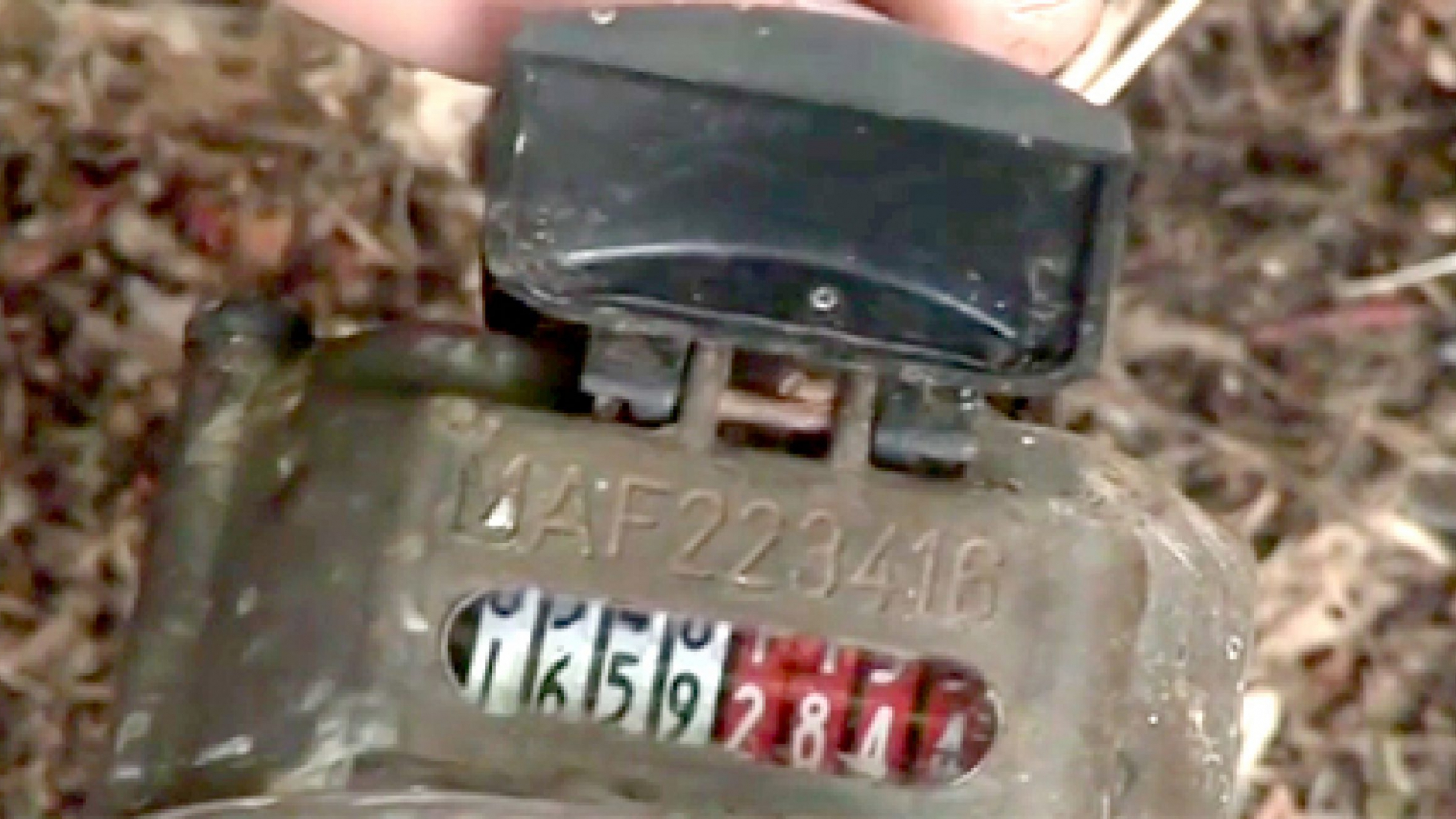
- The High Court in the Western Cape dismissed an appeal by homeowner Wade Seale.
- The court found prepaid water meters are regulated separately from ordinary consumption meters.
- No rule, resolution or agreement made Aurora Place Body Corporate liable for replacing the defective meter.
A Cape Town sectional title owner has lost a High Court bid to force his body corporate to pay for the replacement of a faulty prepaid water meter.
Wade Seale took Aurora Place Body Corporate to the High Court in the Western Cape after challenging a ruling by the Community Schemes Ombud Service (CSOS) that held he was responsible for replacing the prepaid water meter serving his unit.
The appeal required the court to determine whether prescribed management rules impose an ongoing legal duty on body corporates to repair and replace prepaid water meters.
The dispute
Seale, the registered owner of a unit in Aurora Place, first approached CSOS seeking financial relief. He asked for an order directing the body corporate to install a replacement prepaid water meter for his section and to reimburse him R515.12 plus interest for a replacement keypad he purchased in 2022.
He argued that Prescribed Management Rule 29(3) of the Sectional Titles Schemes Management Act requires a body corporate to install and maintain separate water meters. In his view, that obligation meant the cost of repairing or replacing a defective meter could not legally be passed on to an individual owner.
Aurora Place Body Corporate disputed that interpretation. It maintained that while it had funded the installation of the prepaid metering system, owners became responsible for maintaining and replacing the meters serving their own units once the 12-month warranty expired.
How the prepaid system was introduced
The body corporate told the court that owners discussed the introduction of prepaid water meters at a special general meeting in November 2018 and an annual general meeting in February 2019.
At the AGM, members resolved that trustees should finalise the prepaid water metering project after considering quotations from three service providers. The system was installed in June 2020, with the initial costs paid from the scheme’s reserve fund.
The body corporate said the arrangement had been consistently applied throughout the scheme, with other owners paying for replacement meters when they became defective after the warranty period.
The dispute escalated after metering service provider Enbaya informed Seale in April 2024 that the meter serving his unit had been bypassed and needed replacement. When the meter was not replaced, the body corporate resolved to debit the replacement cost to his levy account.
What the High Court decided
Acting Judge MF Adams, with Judge NE Ralarala concurring, held that the appeal raised a genuine question of law because it centred on the interpretation of Rule 29. However, the court found that Seale relied on the wrong subsection.
The judgment explained that Rule 29(3) governs separate meters used to measure the consumption of electricity, water and gas, and refers to installing and maintaining those meters. Prepaid water meters, by contrast, are regulated by Rule 29(4), which authorises their installation but contains no equivalent provision requiring a body corporate to maintain, repair or replace them.
The court said the specific rule dealing with prepaid meters could not be overridden by the more general provision relating to consumption meters.
No automatic liability
The judges also rejected Seale’s argument that the 2019 resolution approving the prepaid metering system created a continuing obligation for the body corporate to fund future repairs.
They found that the resolution merely authorised trustees to implement the prepaid system and did not allocate ongoing financial responsibility for replacing defective meters after the warranty expired.
Importantly, the court said a body corporate can assume responsibility for maintaining or replacing prepaid meters through a valid rule, a resolution, an agreement with a service provider or another legal obligation. The problem for Seale was that he failed to identify any such source of liability in Aurora Place’s scheme.
The fact that the original installation was paid from the reserve fund was also insufficient to establish an indefinite obligation to finance future replacements.
CSOS ruling upheld
Although the High Court criticised the CSOS adjudicator for not expressly interpreting Rule 29(3), it held that the adjudicator ultimately reached the correct conclusion.
The judges also disagreed with the adjudicator’s characterisation of Seale’s application as frivolous, finding that it raised a legitimate legal question about the meaning of the prescribed management rules, even though his interpretation was ultimately incorrect.
The appeal was dismissed, and the court made no order as to costs.
Get your news on the go. Click here to follow the Conviction WhatsApp channel.
