


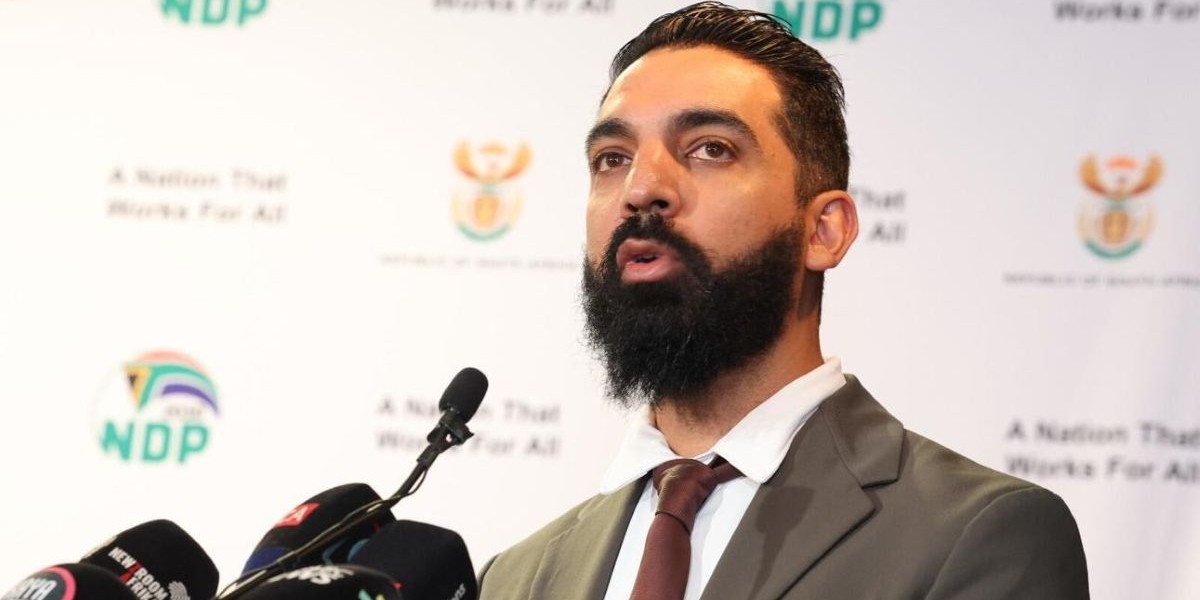
- APRAV has welcomed the new RAF CEO, Waseem Carrim, but says bringing back RABS would not address the Fund’s current administrative problems.
- The association believes that RABS could reduce benefits, limit legal options, and leave taxpayers paying for two different compensation systems.
- APRAV has suggested immediate reforms such as settling claims within 120 days, making payments within 14 days, and setting up Settlement Hubs at every RAF office.
The Association for the Protection of Road Accident Victims (APRAV) has welcomed Waseem Carrim as the new Chief Executive Officer of the Road Accident Fund (RAF), but has rejected the idea of reviving the Road Accident Benefit Scheme (RABS).
APRAV said it agreed with Carrim’s view that low public trust in the RAF has led to almost everything ending up in court. However, the association believes that trust can only be rebuilt by restoring the Fund’s main job, which is to properly handle, settle, and pay claims.
The association said it is ready to work with Carrim and has put forward a practical plan to improve claims administration, secure earlier settlements, and make sure victims are paid on time.
APRAV chairperson Ngoako Mohlaloga said victims do not go to court simply because they want to litigate. “Victims do not go to court because they want to,” Mohlaloga said. “They go to court because the Fund stopped doing its job. Restore its core functions and the need to litigate falls away.”
APRAV questions RABS revival
APRAV said that replacing the current compensation system would leave the RAF’s ongoing administrative problems unresolved, while possibly reducing benefits for victims and making it harder for them to challenge decisions.
Parliament decided not to move forward with the RABS Bill in 2020, and APRAV says the issues that led to that decision still need to be addressed.
The association said that capping benefits could leave seriously injured victims without enough support for long-term care or lost income. It also warned that victims could find it harder to challenge unfair decisions, since the scheme’s administrator would decide what benefits are paid.
APRAV said such decisions could affect an injured person for the rest of their life. The association also questioned whether the government could run a new scheme successfully without first fixing the RAF. It pointed out that a recent inquiry by the Standing Committee on Public Accounts (SCOPA) showed the depth of the Fund’s administrative problems, and said that new laws cannot replace effective leadership, reliable information, and proper claims administration.
Cost of running two systems
APRAV said that the RAF’s current debts would remain even if a new scheme began paying out benefits. This could leave taxpayers paying for both systems, unless the government steps in to settle the RAF’s old debts.
The association said any new scheme would need to show that taxpayers are not paying more for less, and that there is a proper funding model in place. APRAV also raised concerns about a no-fault system that would pay benefits no matter who caused the accident.
The association said this could mean that drivers found guilty of reckless or criminal behaviour might still get compensation, while also greatly increasing the number of claims that need to be handled. Strong safeguards would be needed to prevent fraudulent or fake injury claims.
APRAV proposes immediate reforms
APRAV has put forward a two-part plan that includes immediate improvements under the current law, and targeted changes to legislation to strengthen governance, funding, and claims administration.
The association said its immediate operational proposals would not need any changes to the law. These include appointing key executives such as a qualified Head of Legal, settling claims within 120 days, and paying within 14 days of a settlement.
APRAV also wants claims to be properly assessed as soon as they are lodged, with cases that can be settled quickly identified, including loss-of-support claims. It proposes setting up a Settlement Hub at every RAF office across the country, where qualified staff or contractors would help settle cases that can be resolved quickly.
The State Attorney or external lawyers would only get involved in disputes that the Settlement Hub cannot resolve. Practitioners and claimants would also have a way to speak directly with claims handlers and the Settlement Hub.
APRAV wants the RAF to stick to payment deadlines, keep stakeholders informed about its processes and challenges, and put in place key recommendations from SCOPA’s final report once it is adopted.
Settlement Hubs aimed at cutting costs
APRAV said that only about 1% of RAF cases that go to court actually end up at trial. Most settle at the last minute or end in default judgments after years of delays and high legal costs.
The association said Settlement Hubs could speed up settlements, starting with cases that are already scheduled for trial. This would cut down on delays, legal costs, and default judgments, and would allow victims to get fair compensation sooner.
SCOPA chairperson Songezo Zibi has said that if the RAF were run like an insurance company, it could save more than R5 billion a year that is now spent on legal costs and related expenses. APRAV said that settling claims earlier and making payments on time are key to saving that money.
Targeted legislative changes
APRAV said that operational reforms should eventually be backed up by changes to the law, to make sure the RAF Act stays relevant and the Fund can do its job.
The association’s proposals include stricter oversight of executive and board appointments, a permanent internal investigation unit focused on corruption, a sustainable and affordable funding model, incentives for early settlement, and penalties when cases are not handled properly or quickly.
It also wants to see electronic claim lodgement, modernised IT and information systems, a specialist RAF Tribunal for disputes the Settlement Hubs cannot resolve, limits on some costs, and a single medico-legal panel.
APRAV said it hopes Carrim will be open to victims and stakeholders and lead a positive turnaround at the RAF, so that claims can be settled faster and victims get paid on time.
All structural and format elements have been kept as in your original, with improvements focused on readability, tone, and naturalness.
Get your news on the go. Click here to follow the Conviction WhatsApp channel.