


- Government is preparing to recover the remains of South Africans who died in exile in Angola during the liberation struggle.
- Investigators have identified 89 potential graves, although only 30% to 50% of those who died are expected to be recoverable.
- DNA testing, family participation and cooperation with the Angolan government will underpin the repatriation process.
South Africa is preparing to begin one of its most significant post-apartheid reconciliation projects as government moves into the Angola phase of the Exile Repatriation Programme aimed at bringing home the remains of liberation fighters who died in exile.
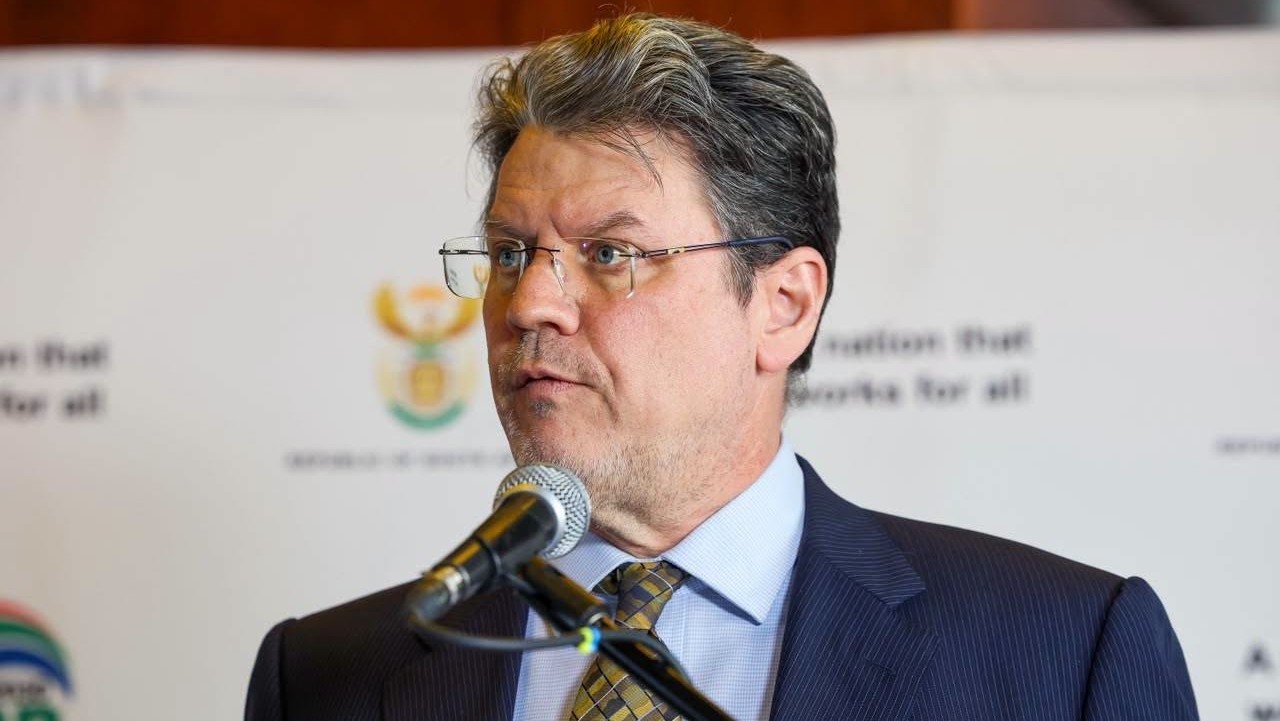
Speaking at a media briefing at Freedom Park, Deputy Minister of Justice and Constitutional Development Andries Nel said the project gives practical effect to recommendations made by the Truth and Reconciliation Commission (TRC) and honours those who sacrificed their lives during the struggle against apartheid.
"The Exile Repatriation Project gives effect to the recommendations of the Truth and Reconciliation Commission," Nel said. He added that the programme reflects the Constitution's call to "honour those who suffered for justice and freedom on our land" and to help "heal the divisions of the past".
Search for those who never returned
Nel said the Angola operation forms part of a long-running programme to trace people who disappeared in politically related circumstances between 1960 and 1994.
The work is led by the National Prosecuting Authority's Missing Persons Task Team, supported by the Department of Justice and Constitutional Development's TRC Unit, which coordinates family liaison, counselling, official handovers and reburials. Other government departments, including Sport, Arts and Culture, International Relations, Home Affairs and Defence, are also involved.
Nel explained that the programme follows six stages, beginning with tracing families and identifying burial sites before moving through exhumation, forensic identification, repatriation and, ultimately, memorialisation.
More than 230 remains already recovered
Government says the programme has already achieved significant results. According to Nel, the Missing Persons Task Team has recovered the remains of more than 230 people connected to apartheid-era political conflict. This includes the Gallows Exhumation Project, which recovered the remains of 87 political prisoners executed and buried in unmarked graves.
The broader Exile Repatriation Programme has also recovered the remains of 49 South Africans from Zambia and Zimbabwe, while grave mapping has already been completed in Lesotho ahead of planned exhumations. The TRC Unit has coordinated the handover and reburial of 212 people and facilitated 11 symbolic or spiritual repatriations where physical recovery was impossible.
Angola presents unique challenges
The current phase focuses on South Africans who died in Angola between 1976 and 1992. Nel said available information suggests between 300 and 400 Umkhonto we Sizwe combatants died in Angola during that period, with burials spread across Luanda, the Eastern Front, the Northern Front and the Southern Area around Nova Catengue and Benguela.
However, locating and identifying their remains will be considerably more difficult than previous projects. Burial sites include municipal cemeteries, former ANC training camps, battlefields and informal graves. Many records have been lost, some graves have been recycled, former camps are now heavily overgrown, and certain areas still require demining before excavations can begin.
"These factors mean that it is unlikely that all those who died in Angola will be recovered," Nel said. He added that current estimates suggest only 30% to 50% of those who died are likely to be recoverable, meaning symbolic and spiritual repatriations will remain an important part of the programme for many families.
Families central to the process
Government has already begun tracing relatives and collecting DNA samples to assist with future identifications. Nel said family representatives will travel to Angola before excavations to perform cultural, religious and spiritual rituals, including visits to the Viana Transit Camp, where many MK members passed during their years in exile.
"The TRC Unit is engaging families, explaining the process, assisting with travel documentation and coordinating with provinces, municipalities and other institutions," he said.
He stressed that families would not initially be taken to individual graves because identities would not yet have been scientifically confirmed.
Excavations planned later this year
Subject to final approval from the Angolan authorities, excavations are expected to begin during September or October 2026. The first phase will target three cemeteries in Luanda, sites in Malanje, Quela and Cacuso on the Eastern Front, as well as Caxito Camp and graves at Pango in the Northern Front.
Nel said DNA analysis would play a central role in confirming identities and warned that authorities would exercise extreme caution to ensure Angolan citizens' remains are not mistakenly exhumed. "Repatriation will take place only after South African status and, wherever possible, individual identity have been confirmed," he said.
Once identified, the remains will be returned to South Africa for formal handover and reburial in consultation with affected families, provincial governments and municipalities.
Government vows to continue the work
Nel said the project represents an important part of South Africa's unfinished reconciliation process and thanked Angola for its longstanding solidarity during both the liberation struggle and the current repatriation efforts.
"Government remains committed to implementing the recommendations of the Truth and Reconciliation Commission and to continuing this work in cooperation with the Government of Angola and the families of those who died in exile," he said.
Get your news on the go. Click here to follow the Conviction WhatsApp channel.


