


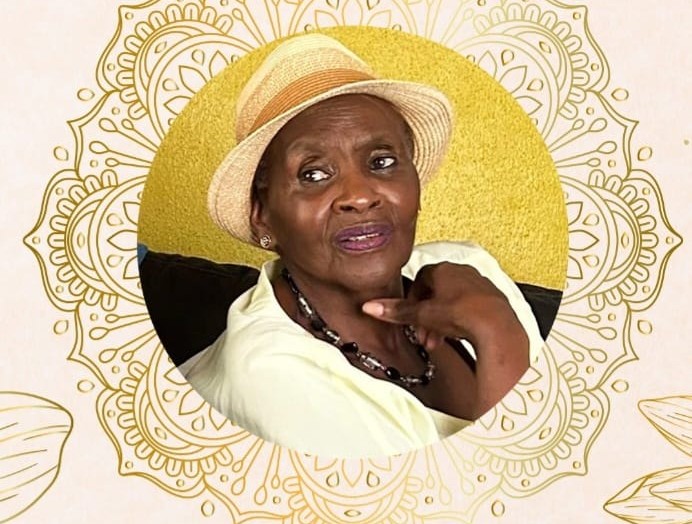
- The author reflects on repeated deaths of black patients at Bara, including Sis Barbara and a neighbour, Tumi, highlighting systemic neglect and mistreatment.
- Personal family experiences with Bara and the historical fear of the hospital underscore its reputation as a place where black lives are devalued.
- The piece calls for urgent reforms to transform Bara from a place of death into a place of hope and healing.
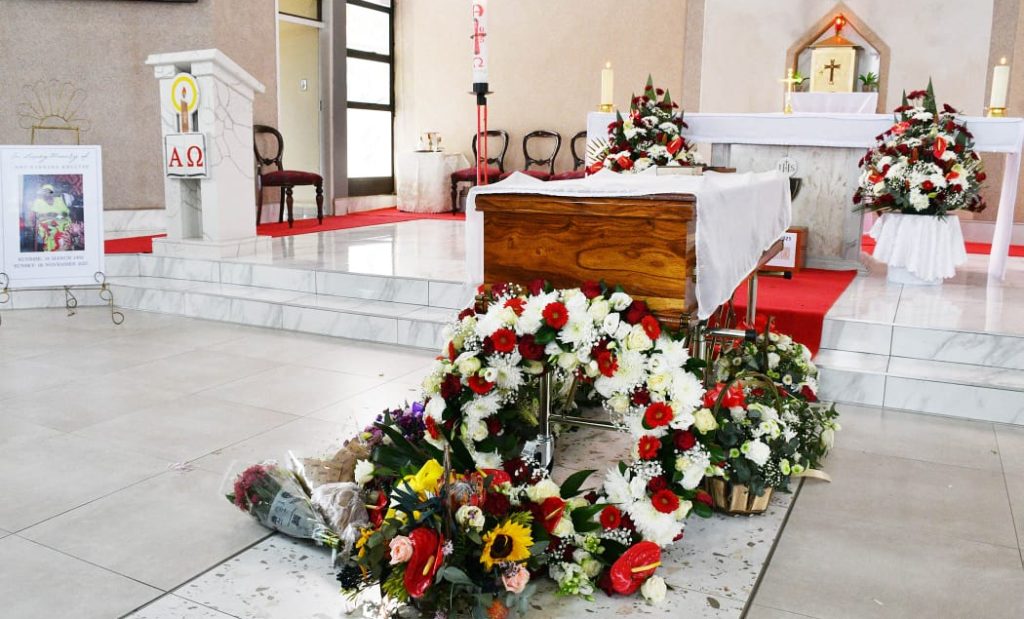
A few days ago, we buried Sis Barbara. She died at Bara. Her former colleagues and community turned up in great numbers at St Pius Catholic Church in Mofolo. Less than a month ago, we buried a 42-year-old neighbour, Tumi. He, too, died at Bara.
When I learned that Sis B's condition had worsened and she was referred to Bara, my heart was filled with trepidation and fear. Bara, just like Tembisa Hospital, is a place of death. My lived observation and subconscious fear is that it marks a point of no return.
It should not be like that because it is an academic hospital. All the medical experts and surgical specialists are there or should be there. But it has been reduced to a human laboratory where black lives and bodies are used like rats in an experiment.
In 2008, we removed my mother to bring her back home from Bara. She was ill-treated by nurses and caregivers. At 84, with diabetic complications, she was neglected and abandoned to be told, "You are old. What more do you want? Usafunani Gogo." It broke her soul. It scarred my mind and spirit. We withdrew her from the hospital to die at home.
My father flatly refused to go to Bara in 1985. He called it a place of death. He preferred to stay and suffer at home, where he passed on at peace in 1995. I think he had lung and heart complications from silicone.
Many years ago, when he first came to Johannesburg, he, like Nelson Mandela, worked in the mines.
The trauma of black families
So, when I learned that Sis B was transferred to Bara, something in me broke. It was highly unlikely that she would come out alive. I think black families only resort to Bara when the trauma and pain of seeing a family member suffer in sickness becomes unbearable. Some families have a fear of the smell of death hanging in the home.
We need to tell the stories of what happens to black lives and bodies at Bara. It is cold-blooded murder that takes place there. Young black men use the tender system to steal money and resources.
The final indignity
When my mother passed on, she was surrounded by her daughters. They closed her eyes. Perhaps this was better than getting a call from a Bara nurse. You would learn that the dead body was discovered much later and left neglected on the bed. When discovered, they wheel it out to park it partly covered under a stained white sheet in the corridors for hours.
Something in me was broken when I learned that Sis B was taken to Bara. I was disappointed and hurt but not surprised, when I soon learned that she died at Bara. I hope she finds peace. She was a good-hearted, kind and caring sister, woman and mother who turned a cold and brutal newsroom into a home for many young journalists.
We buried Sis B a few days ago. She died at Bara. Something drastic needs to be done to turn Bara into a place of hope and healing. It will take more than the ANC.
Get your news on the go. Click here to follow the Conviction WhatsApp channel.
