


- Court confirms that patent rights must exist at the time of filing and upholds the Xtandi patent.
- Judges refuse to halt Enzutrix sales, citing serious and immediate harm to cancer patients.
- Interim relief denied due to public interest, undertaking on damages, and imminent patent expiry.
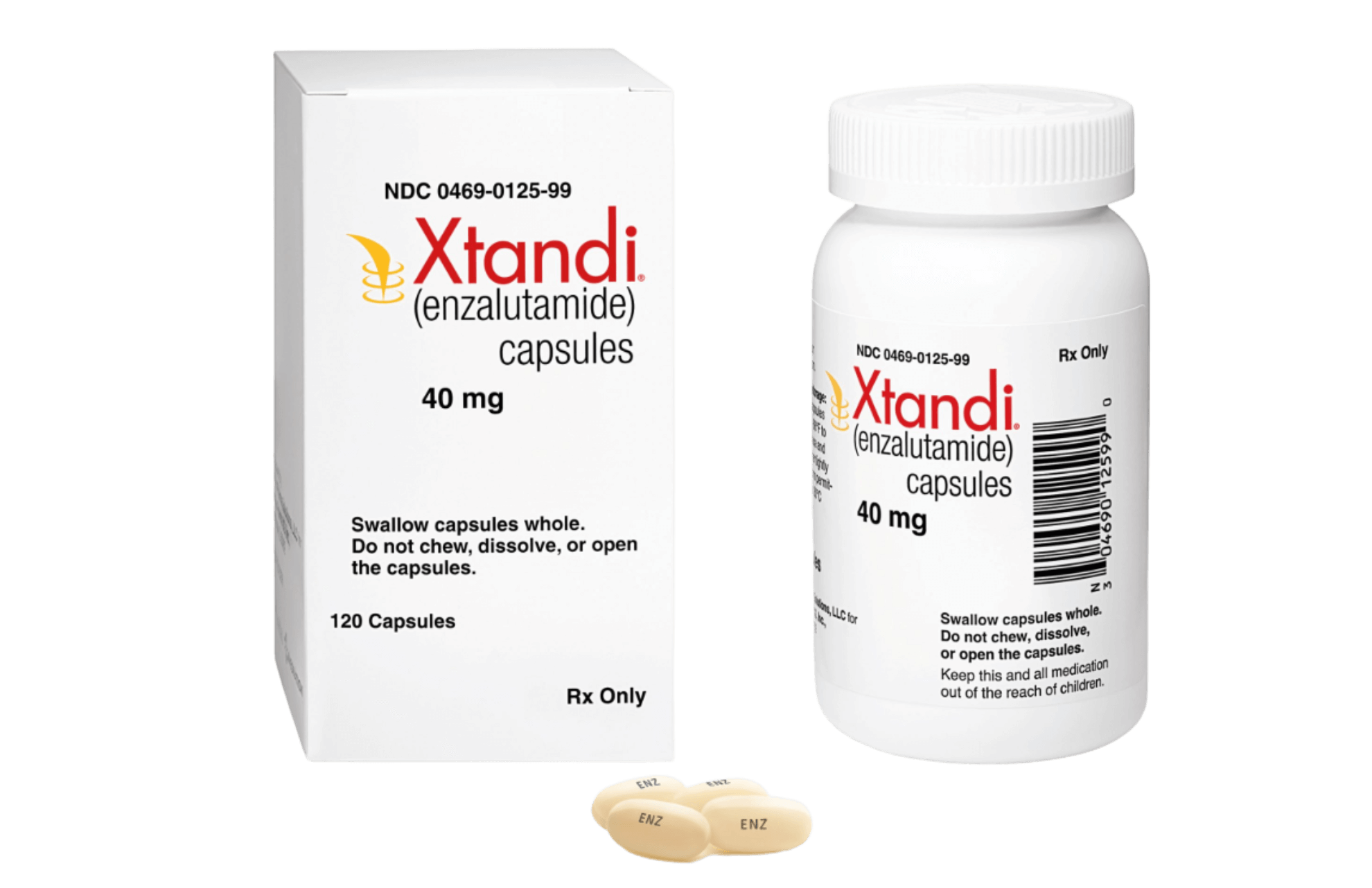
Cancer patients who rely on a cheaper prostate cancer treatment will continue to have access to it after the Supreme Court of Appeal declined to grant an interim interdict blocking the sale of the generic drug Enzutrix, even after confirming that the patent protecting Xtandi is valid.
The dispute pitted the Regents of the University of California and Astellas Pharma, who hold and license the patent over enzalutamide, against Eurolab and Dis-Chem entities, which introduced and distributed the generic product in South Africa.
The court was asked to rule on the validity of the patent, whether threats of infringement proceedings were justified, and whether an interim interdict should be granted to stop the continued sale of the generic drug.
Justice JE Smith delivered the majority judgment, with Judge President MB Molemela concurring.
Patent upheld and revocation challenge fails
The Supreme Court of Appeal overturned the Commissioner of Patents’ earlier decision, which had revoked the patent on the grounds that the Regents of the University of California were not entitled to apply for it at the time of filing.
The court confirmed that the right to apply for a patent must exist at the time of filing and cannot be remedied by later assignments. Justice Smith said, “Section 61(1)(a) thus establishes a clear requirement that the right to apply for a patent under s 27 must exist at the time the application is submitted.”
Although the court rejected the university’s reliance on a later 2009 assignment, it found that the right to apply had been acquired through earlier agreements, including a collaboration agreement with the Howard Hughes Medical Institute.
Justice Smith concluded that the university “properly obtained the right from HHMI to apply for the patent” and was therefore entitled to apply under the Act. The court further rejected arguments that the patent should be revoked for misrepresentation or lack of inventiveness.
On the question of obviousness, the court found that the invention was not a routine or predictable development. Justice Smith said, “There is very little, if any, cogent evidence to challenge the evidence supporting inventiveness.”
Patients decisive in refusal of interim interdict
Despite upholding the patent, the court declined to grant an interim interdict to stop the sale of Enzutrix. The decisive factor was the real-world impact on patients who are currently using the generic drug.
Justice Smith said, “If the sale of Enzutrix were enjoined, the consequences for cancer patients using it would be serious and immediate.” The court accepted that Xtandi is significantly more expensive than the generic.
Justice Smith said, “Xtandi is substantially more expensive than Enzutrix and will be unaffordable for those patients who do not have medical aid.” The court found that withdrawing the generic from the market would have direct and serious consequences for the patients who depend on it.
Financial harm contrasted with patient impact
The patent holders contended that they would suffer irreparable financial harm if the generic drug were allowed to remain on the market. The court acknowledged that some harm would occur, but drew a clear distinction as to its nature.
Justice Smith said, “The primary harm anticipated… is financial.” The court also took into account a formal undertaking given by the respondents. Justice Smith said, “Each sale of Enzutrix will be considered equivalent to a lost sale.”
This made it easier to calculate any damages and, in turn, weakened the argument that the harm was truly irreparable.
Timing and public interest considerations
The timing of the proceedings played a significant role in the outcome. Justice Smith said, “The patent is scheduled to expire within a few weeks.”
The court found that this significantly limited the justification for granting an interdict at such a late stage. The judgment also gave weight to the broader public interest in access to affordable medicines.
Justice Smith said, “Patent protection ordinarily results in the public being denied access to generic drugs for the duration of the patent term.”
Weighing all of these factors together, the court refused to grant interim relief. Justice Smith concluded that “there are compelling reasons to deny the interdict,” pointing to the immediate impact on patients, the undertaking on damages, and the imminent expiry of the patent.
Outcome
The appeal was upheld, and the Commissioner of Patents’ order was set aside. The applications for revocation of the patent and for relief based on groundless threats were both dismissed with costs.
The application for an interim interdict was dismissed, with each party ordered to pay its own costs. The practical result is that Enzutrix will remain available to patients until the patent expires.
Get your news on the go. Click here to follow the Conviction WhatsApp channel.


