


- South Africa’s Commissions Act, rooted in British rule, creates inquiries that appear impartial but often mask state violence and elite impunity.
- Victim testimonies are routinely harvested for bureaucratic process while tangible redress, reparations, and prosecutions are delayed or denied.
- Without dismantling colonial-era legal frameworks and enforcing commission recommendations, justice will remain symbolic, not transformative.
Former EFF politician Mbuyiseni Ndlozi argues that a president cannot find anyone guilty, advocating instead for proper judicial commissions of inquiry, led by a judge, with strict timelines. He deems this "PROPER" for a democracy. However, the subsequent analysis of South African commissions reveals how they often fall short of this ideal, instead perpetuating systemic violence and delaying justice.
The Commissions Act, 1947 (Act No. 8 of 1947), used for inquiries like the Zondo Commission on state capture, originated under British colonial rule. This embedded a legalistic façade for systemic violence. It enabled apartheid-era inquiries, such as the Hefer Commission (2003) and Donen Commission (2002), which probed 'financial irregularities' while ignoring Black suffering under racial capitalism.
When victimhood becomes spectacle
Like colonial inquests pathologising indigenous resistance, modern commissions prioritise bureaucratic order over human dignity. Tebogo Thobejane’s condemnation, “No mention of the lack of protection… left to fight alone”, echoes this centuries-old erasure. After surviving an assassination attempt, she now navigates a trial process offering legal theatrics, not safety.
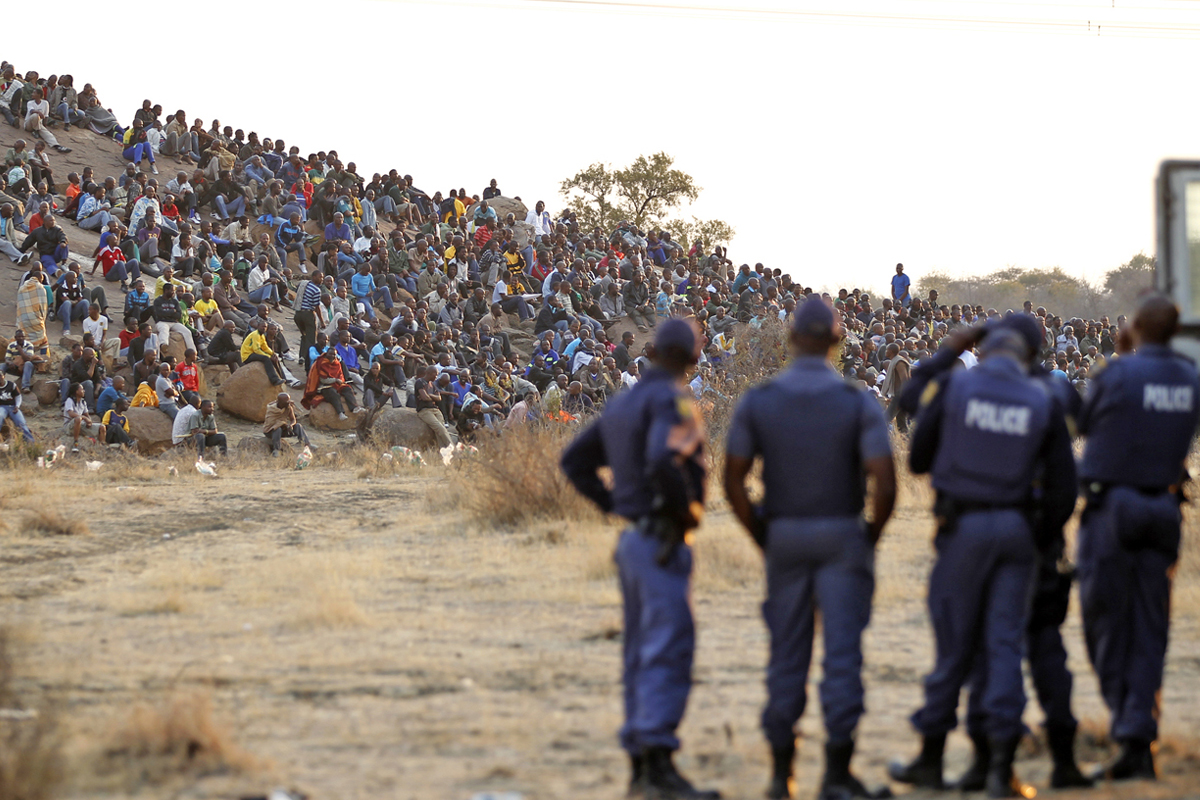
Commissions ritually harvest victim trauma while withholding redress. The Marikana Commission (2012) gathered 641 days of testimony from widows of massacred miners, yet delivered no prosecutions or timely reparations. This pattern repeats in Thobejane’s case, as her ex-boyfriend’s corruption trial expands while her paralysed friend remains unsupported.
Similarly, the Truth and Reconciliation Commission (TRC) heard 21 000 victim testimonies but granted amnesty to 1 500 perpetrators, providing only nominal reparations. This dynamic inherits colonial evidence-gathering: Black pain becomes archival fodder, catalogued and then discarded. As Thobejane noted, President Ramaphosa’s speeches often overlook victims, reducing their experiences to procedural footnotes.
Commissions that protect power, not people
Commission structures inherently protect power networks. The Mokgoro Commission (2018) and Ginwala Inquiry (2007) scrutinised prosecutors threatening political elites under the NPA Act. Inquiries into police violence, such as those in Khayelitsha (2012), operated with weaker mandates. This bifurcation mirrors colonial "divide and rule" tactics, ensuring accountability often evaporates.
The Zondo Commission’s R1 billion inquiry, for instance, yielded minimal prosecutions despite documenting R1.5 trillion in state capture. Victims like Thobejane experience justice as temporal violence, marked by endless postponements while perpetrators retain influence. President Ramaphosa’s latest commission of inquiry, investigating the now-suspended chief of police, offers suspension, not prosecution.
Legal theatre and the politics of pain
Judicial appointments cloak commissions in false objectivity. Retired judges like Farlam (Marikana) and Seriti (Arms Deal) lent legitimacy to inquiries that ultimately shielded the interests of the state and corporations. The president’s latest ‘independent commission’ further demonstrates how these bodies often obscure underlying political complexities and power struggles.
This legal theatre pathologises victims: Marikana miners were framed as ‘illegal strikers’, while Thobejane’s assault became a tabloid spectacle. Colonial inquiries similarly recast resistance as deviance, using statutes to sanctify state violence. When commissions centre perpetrators’ due process over victims’ safety, they enact "racial terror through bureaucracy."
Breaking the machinery of ritualised injustice
The TRC’s unresolved legacy continues to haunt contemporary commissions. Thirty years later, only 137 of its recommended prosecutions have been investigated, while apartheid-era cases like the Cradock Four murders remain in legal limbo. Nomonde Calata’s tears at a 2025 inquest echo her 1996 TRC testimony, testifying to the commission’s broken promises.
Thobejane’s demand for “accountability and support” confronts this cycle; her ex-boyfriend faces new charges while his police and political connections remain intact. Reparations remain theoretical: TRC victims received a single payment of R30,000 each, while Marikana families await R1 billion in compensation. This reflects colonialism’s core calculus: human suffering indexed against fiscal "pragmatism."
Breaking this machinery requires centring victims as architects, not evidence. Unlike President Ramaphosa’s commissions, a transformative approach would enforce existing recommendations: implementing the Khayelitsha Commission’s 2012 police reforms, funding TRC-mandated educational reparations, and prosecuting the network of Thobejane’s ex-boyfriend beyond his hitmen.
Thobejane’s courage, demanding protection while testifying, sets a model for this agency. Yet, without dismantling the Commissions Act and colonial-era legalisms, inquiries remain stone fortresses where violence is ritualised, not remedied.
South Africa remains fractured by inequality, a landscape where commissions consecrate state power while the vulnerable fight alone in the ruins.
#Conviction
Get your news on the go. Click here to follow the Conviction WhatsApp channel.
