


- ISLA and Lawyers for Human Rights are asking the High Court in Pretoria to review the Refugee Appeals Authority's rejection of a Congolese woman's asylum claim.
- The organisations say the authority failed to properly consider how trauma, sexual violence and language barriers affected her ability to tell her story.
- The case also calls for broader reforms so that South Africa's asylum system uses gender-sensitive and trauma-informed procedures.
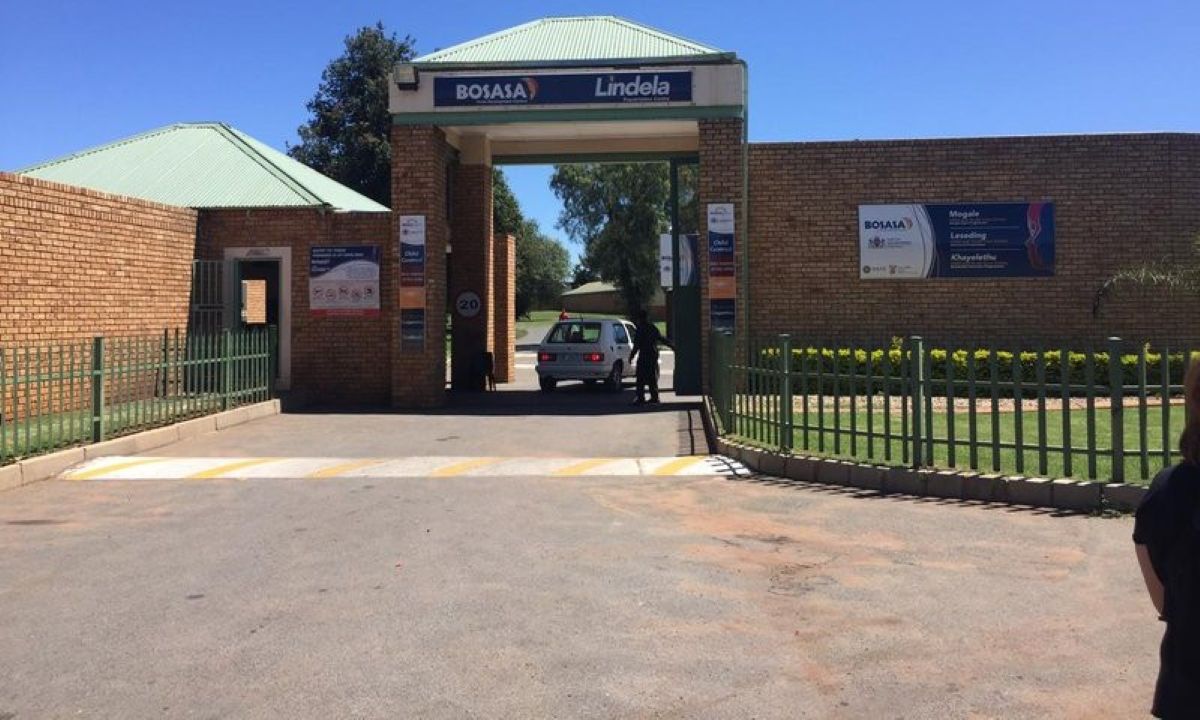
A Congolese woman who survived years of conflict-related sexual violence, was allegedly sexually exploited during her journey to South Africa, and later detained at the Lindela Repatriation Centre, is asking the High Court in Pretoria to overturn the rejection of her asylum application.
The Initiative for Strategic Litigation in Africa (ISLA) and Lawyers for Human Rights (LHR) brought the application on 19 June 2026, the International Day for the Elimination of Sexual Violence in Conflict. The organisations say the timing was deliberate because the woman's experience reflects the realities faced by many women who flee armed conflict only to encounter further hardship while seeking international protection.
They are asking the court to review and set aside the Refugee Appeals Authority's decision, arguing that it unlawfully rejected her asylum claim by failing to properly consider the effects of trauma, conflict-related sexual violence and the protections available under South African and international refugee law.
A journey marked by violence
According to court papers, the woman is from South Kivu in the eastern Democratic Republic of Congo, where armed conflict has persisted for decades, and international organisations have documented the widespread use of sexual violence against civilians as a weapon of war.
ISLA and LHR say she was repeatedly subjected to sexual violence by soldiers before fleeing with her children. They argue that her decision to leave was driven by the need to survive rather than by choice. In her founding affidavit, the woman says, "The violence I endured was not isolated but occurred within the broader pattern of abuses committed against civilians in conflict-affected areas."
The organisations say her ordeal continued after she fled the DRC. As she travelled through Burundi, Tanzania and Mozambique, border officials allegedly demanded sexual favours in exchange for allowing her to continue her journey rather than returning her across the border. She eventually arrived in South Africa in 2006 or 2007 to seek asylum.
Asylum claim rejected
ISLA and LHR say the woman first approached the Department of Home Affairs in Durban but was unable to complete her asylum application because she did not speak English. She was instructed to return with someone who could assist with interpretation. She later returned, lodged her application and recounted her experiences during several interviews over the years, including before the Refugee Appeals Authority.
Despite those interviews, the Refugee Appeals Authority rejected her application, finding that her account had changed over time and that she had failed to establish a credible claim for refugee protection. According to the organisations, the authority described her evidence as "mobile" and concluded that she had not consistently and credibly established her claim.
ISLA and LHR argue that the authority placed undue emphasis on inconsistencies in her evidence without properly considering the effects of trauma, the passage of time, language barriers and the circumstances in which survivors of sexual violence often recount traumatic experiences.
They submit that "survivors of sexual violence and torture frequently present inconsistent accounts, not because they are lying, but because of the neurological and psychological effects of trauma on memory and recall."
Challenge based on administrative justice
The organisations argue that the Refugee Appeals Authority's decision should be reviewed under the Promotion of Administrative Justice Act.
According to the court application, the decision was procedurally unfair, materially influenced by errors of law and unreasonable because it failed to properly assess the gender-based persecution the woman experienced and did not apply the correct legal standard.
ISLA and LHR argue that conflict-related sexual violence is recognised as a form of persecution under South Africa's Refugees Act and international refugee law, yet the authority failed to meaningfully engage with that aspect of her claim.
International obligations raised
The application also relies on several international legal instruments. ISLA and LHR argue that South Africa was required to apply the UNHCR Guidelines on International Protection relating to Gender-Related Persecution, which call for gender-sensitive asylum procedures and recognise that trauma can affect memory and a survivor's ability to recount events consistently.
The organisations also rely on the Maputo Protocol, which requires protection for women seeking asylum, refugees, returnees and internally displaced persons against violence, rape and sexual exploitation, as well as the CEDAW Committee's General Recommendations 32 and 33 dealing with gender-based persecution and access to justice.
Detention and continuing uncertainty
The court papers say the woman's hardship continued long after she reached South Africa because her legal status remained unresolved. According to ISLA and LHR, she was arrested on immigration-related grounds and detained at the Lindela Repatriation Centre despite seeking protection as an asylum seeker.
She also spent years living with expired or unresolved documentation and was temporarily accommodated on a farm after a court order displaced her from where she had sought safety. She later faced eviction from that accommodation before her refugee status had been determined.
The organisations argue that her experiences, from sexual violence in South Kivu and alleged exploitation during her journey to South Africa, to the rejection of her asylum claim, detention at Lindela and continuing uncertainty over her legal status, represent a continuation of the harm she first experienced while fleeing conflict.
Protection against return
At the centre of the application is the principle of non-refoulement, a cornerstone of international refugee law that prohibits the return of people to countries where their life, freedom or physical safety would be at risk.
ISLA and LHR argue that ongoing conflict in South Kivu, together with the continued use of sexual violence against civilians, means returning the woman to the Democratic Republic of Congo would expose her to serious harm. They contend that deporting her would be inconsistent with South Africa's domestic and international legal obligations.
Broader reforms sought
Beyond the woman's individual case, the organisations are asking the Department of Home Affairs to introduce gender-sensitive asylum procedures across Refugee Reception Offices and the Refugee Appeals Authority.
They also call for specialised training for Refugee Status Determination Officers and members of the Refugee Appeals Authority on trauma-informed credibility assessments, recognition of conflict-related sexual violence as persecution under the Refugees Act, and safeguards to ensure asylum seekers whose claims arise from conflict-related sexual violence are not detained, removed or evicted while their legal status remains unresolved.
ISLA and LHR say the case highlights systemic shortcomings affecting women seeking protection in South Africa. They argue that asylum procedures must better recognise the realities faced by survivors of conflict-related sexual violence and ensure that women fleeing war and sexual violence receive a fair hearing consistent with South Africa's constitutional and international obligations.
Get your news on the go. Click here to follow the Conviction WhatsApp channel.
