


- A Limpopo man wins urgent court relief to stop the auction of his R300 000 vehicle over a child maintenance debt of R21 000.
- He denies being the child’s biological father and claims the interim maintenance order was obtained through fraud.
- The court grants the interdict but postpones ruling on fraud and legal costs until the main application to set aside the order is heard.
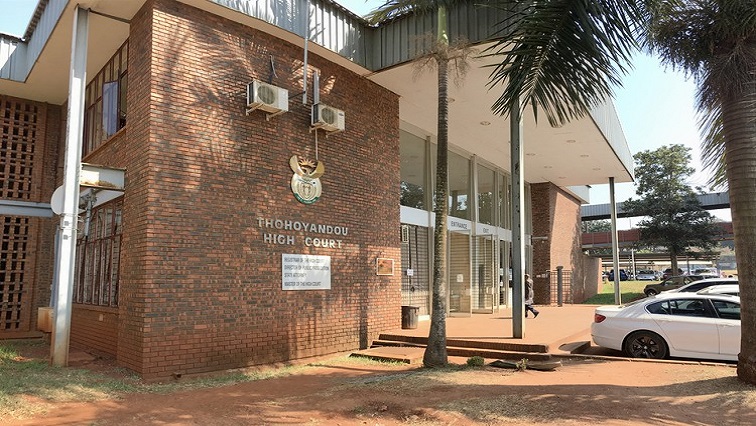
The Limpopo High Court in Thohoyandou has stepped in to stop the auction of a man’s R300 000 vehicle over a R21 000 child maintenance debt, amid explosive claims that the child at the centre of the order is not biologically his.
The urgent ruling comes during divorce proceedings that have now spilled into a complex legal fight over paternity, fraud, and the use of court orders to enforce disputed maintenance obligations.
Acting Judge S du Plessis granted the urgent interdict after the applicant, identified as HCC, approached the court with claims that the interim maintenance order against him was based on fraudulent information. He also submitted that he was not the child’s father and had brought a separate application to have the order set aside.
By the time the matter reached court, the sheriff had already removed the man’s vehicle and was preparing to auction it. The applicant told the court that he relied on the car for his business and personal livelihood and that losing it for a fraction of its value would cause irreversible harm, especially if it later emerged that he was not liable to pay maintenance at all.
Disputed paternity and claims of fraud
At the heart of the case is a challenge to an interim maintenance order granted in December 2023 in terms of Rule 43. The respondent, NEM, had secured the order as part of ongoing divorce proceedings, but the applicant now contends that the order was obtained through material misrepresentations and fraud.
He claims that he is not the biological father of the child in question and has launched a separate Rule 43(6) application to have the maintenance order rescinded. That application, which will be heard later, includes allegations of fraud and concealment by the respondent and her legal team.
The court noted that the truth of those allegations, including the issue of paternity, could not be decided at this stage, since the full divorce file and underlying application were not before it.
Respondent denies wrongdoing, raises procedural objections
The respondent opposed the urgent application, arguing that the maintenance order was valid and binding. She denied any fraudulent conduct and insisted that the child was born within a customary marriage and accepted by the applicant. Her lawyers also argued that the application lacked urgency and that the request for a virtual hearing was an abuse of process.
But the court dismissed these objections. Judge du Plessis found that the application was properly brought, and that the urgency was justified given the imminent sale of the vehicle. The judge also noted that the virtual hearing had been approved by the Judge President and did not constitute any procedural irregularity.
Balance of convenience favours applicant
In considering whether to grant the interdict, the court accepted that the applicant faced real and irreparable harm if the auction were allowed to proceed. The vehicle, worth an estimated R300 000, was being auctioned to recover a R21 000 debt, a disparity that the court found significant.
The judge also noted that the harm to the respondent, if any, would be minimal, since she could still pursue enforcement of the order once the main dispute was resolved.
The court ruled that the balance of convenience strongly favoured the applicant and that he had no adequate alternative remedy. In these circumstances, the auction was halted and the sheriff ordered to return the vehicle.
Fraud and legal cost allegations postponed for later ruling
The applicant also asked the court to hold the respondent’s attorney personally liable for legal costs, accusing them of fraud and misconduct in securing the maintenance order. However, the court found it inappropriate to decide that issue now, given the incomplete record and the seriousness of the allegations.
Instead, the judge postponed the issue of costs, along with the fraud allegations, to be determined together with the pending application to set aside the Rule 43 order.
Court raises deeper questions about fatherhood and fairness
Although the court granted relief on urgent grounds, it made a point of highlighting the deeper constitutional and emotional stakes in the matter.
In denying paternity, the applicant is effectively challenging not only the legal obligation to pay maintenance, but also the child’s right to identity and parental support. Judge Du Plessis asked whether a child has the right to know her biological father, and what justice demands when that question remains unanswered.
The court made clear that the protection of the child’s rights remains paramount and that the truth about paternity must still be determined in due course.
What happens next
The vehicle will not be sold for now. The fraud claims and legal costs will be argued later, once the full application to set aside the maintenance order is heard.
For the applicant, it is a temporary legal victory that spares him a potentially ruinous loss. For the court, it is a delicate balancing act between enforcing existing orders and guarding against injustice, especially in matters where the truth may be buried beneath years of personal and legal conflict.
Conviction.co.za
Get your news on the go. Click here to follow the Conviction WhatsApp channel.


