


- Shabangu was arrested with a firearm, later proven by ballistics to be the murder weapon used in a fatal shooting weeks earlier.
- He argues the trial judge relied on his silence, recalled witnesses to fix defects and compromised his right to a fair trial.
- The State says the gun was “the only evidence that formed the basis of conviction” and that his failure to explain possession justified the inference of guilt.
Goodman Shabangu is serving an effective 22-year prison sentence because police found him holding a gun that forensic experts later linked to a murder. He now wants that conviction erased.
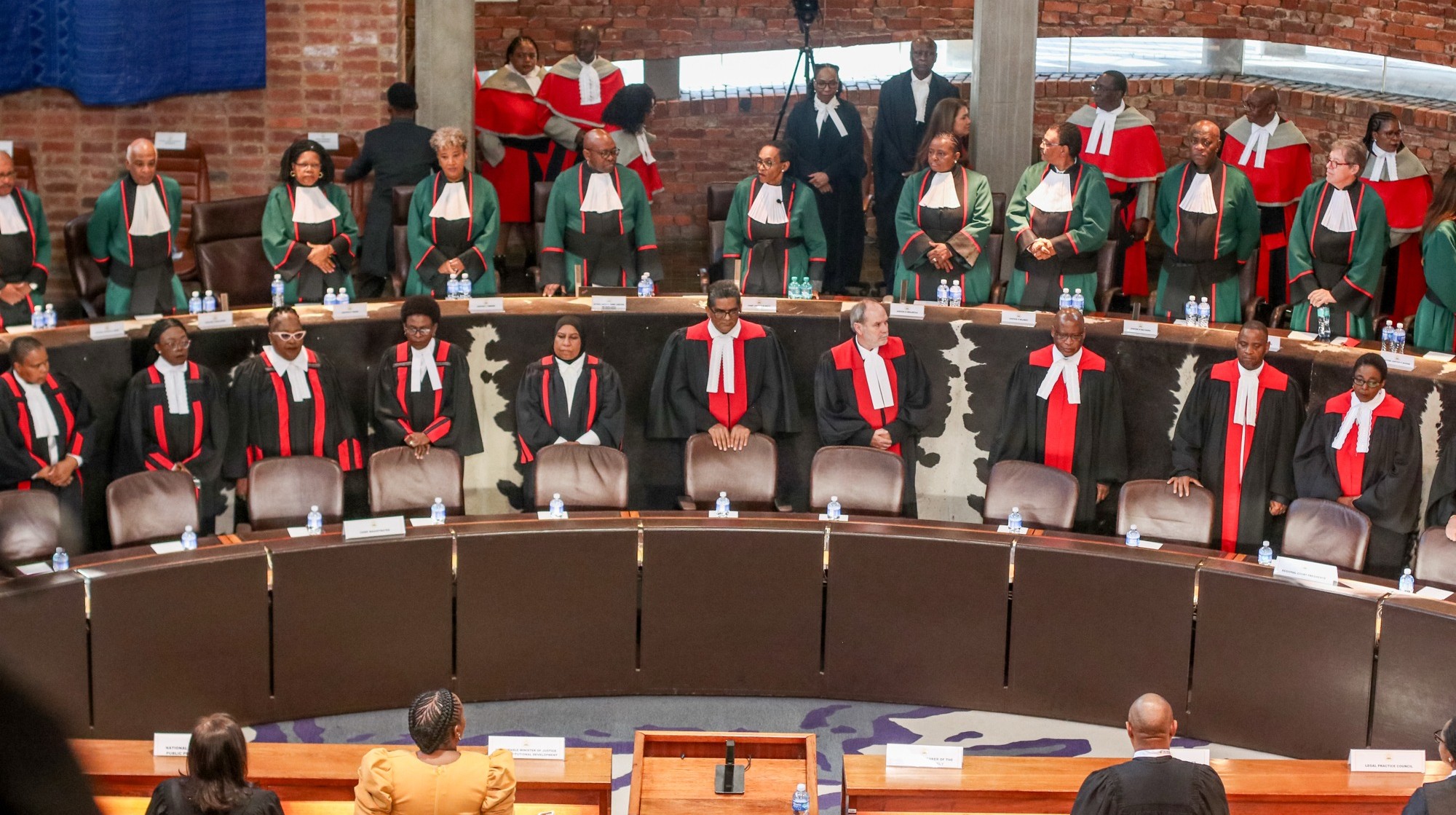
His case is scheduled to be heard on Thursday, 5 February 2026, before the Constitutional Court of South Africa, where he will argue that the trial which sent him to prison was constitutionally unfair.
At the centre of the fight is whether a court can treat an accused person’s silence as evidence of guilt when the only direct link to the crime is a weapon found in his possession.
A conviction built around one gun
According to the State, Shabangu was arrested in May 2006 while carrying a loaded firearm. Ballistic testing later matched that weapon to the fatal shooting of the deceased, identified in papers as Mr Sullivan. There was no confession and no eyewitness placing him at the scene.
Prosecutors describe the firearm bluntly as “the only evidence that formed the basis of conviction,” arguing that his possession of the murder weapon so soon after the killing could not reasonably be innocent. They say he “failed to proffer an explanation for his possession of the firearm,” leaving the trial court entitled to draw the most probable inference. Relying on the doctrine of recent possession, the trial court accepted that reasoning and convicted him.
Shabangu says the judge used his silence against him
Shabangu, who is self-represented, argues that the trial court crossed a constitutional line. In his written submissions, he asks the apex court directly whether it is “permissible to draw an adverse inference of guilt from the silence of your applicant.”
He contends that his credibility was questioned “simply because he exercised his right to remain silent,” something he says the Constitution expressly protects.
He further claims the State was allowed to strengthen its case after weaknesses became apparent. According to him, witnesses were recalled “to remedy the obvious defect in the state’s case to the detriment of your applicant’s right to a fair trial.”
On the firearm evidence, he warns that he was effectively punished twice, reminding the court that an accused should not be “tried for an offence in respect of an act or omission for which that person has previously been either acquitted or convicted.” Taken together, he says these steps rendered the trial fundamentally unfair.
The State’s answer
The prosecution rejects the suggestion that silence alone secured the conviction. It argues that the case rested on hard forensic proof, not speculation.
While acknowledging the right not to testify, the State maintains that a court may consider the consequences of that choice where incriminating evidence stands unanswered. Citing authority, prosecutors say that a failure to respond to serious evidence can “strengthen the prosecution’s case” rather than weaken it.
In their view, the inference drawn by the trial judge was not punitive, but logical. A man found with the murder weapon weeks after a killing who offers no explanation cannot expect the court to ignore that fact.
They also point to the lengthy delay before the appeal reached the apex court, arguing that old convictions should not lightly be reopened.
Get your news on the go. Click here to follow the Conviction WhatsApp channel.
