


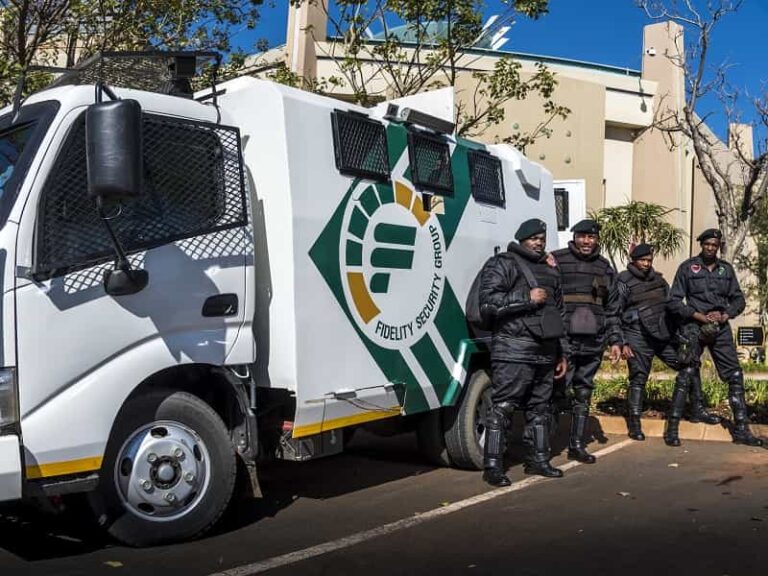
The High Court in the Western Cape has found Fidelity Security Services liable for damages sustained by a civilian who was shot by one of its security guards, Sipato Faku, in Worcester on 7 February 2018.
The court established that Faku acted in the course and scope of his employment with Fidelity. However, Fidelity denied claims of unlawful shooting during the proceedings, which began after the victim’s formal action was instituted in January 2020. The trial concerning the merits of the case commenced on 21 May 2024, focusing on the issue of liability.
As part of the evidence presented, clinical and neuropsychological psychologist Erika Stemmet testified regarding the victim’s ongoing struggles with post-traumatic stress disorder and depression following the incident. Despite her testimony primarily addressing the victim’s emotional and psychological state, the court noted that her evidence was more relevant to the issue of quantum rather than liability, establishing the need for the company to justify the shooting.
Corroborating the victim’s account, witnesses including Hannes Beukman, a sergeant with the South African Police Service, detailed their experiences during the incident. Beukman recounted the victim’s statement that he had been shot by a Fidelity security officer, although he initially faced challenges confirming the threats prevalent in the Avian Park area at that time.
Testimony from Danny Romario Franco Van Zyl, a relative bystander during the altercation, painted a more vivid picture of the day. Van Zyl testified that he witnessed Faku point his firearm at the plaintiff and shoot him without first assessing the situation or issuing a warning. The guard's action led to chaos, as described by Van Zyl, who noted that they were caught off guard and unarmed during the confrontation.
On the defense side, Ashwin Jack, a security guard and the driver of the security vehicle, corroborated that they had previously observed the victim, claiming to have seen a firearm in his belt. This led to Faku's decision to approach the two men, but Jack did not directly witness the shooting. His testimony largely relied on hearsay, leaving crucial questions about Faku's mindset at the time of the shooting unanswered.
In the judgment, Judge J Slingers ruled decisively against Fidelity Security, underscoring that the burden of proof shifted to the company after the victim established a breach of bodily integrity. The court found that the defense's failure to call Faku, the alleged shooter, limited the validity of their claims. The omission was noted as peculiar, raising inferences that Faku's absence might be a strategic withdrawal from testimony that could have exposed unfavourable facts.
The court established that without credible justification for the shooting, Faku's actions were deemed unlawful. Up next is a hearing to determine the quantum of damages owed to the victim.
#Conviction
