

Skip to content
Close Menu
ConvictionConviction
  • Home
  • Law & Justice
  • Special Reports
  • Opinion
  • Ask The Expert
  • Get In Touch

Subscribe to Updates

Get the latest creative news from FooBar about art, design and business.

What's Hot

Screenshots are not evidence: The new frontier of unfair dismissal in South Africa

July 24, 2026

Why the High Court sided with Ramaphosa in the Phala Phala impeachment battle

July 24, 2026

SCOPA chair Zibi says RAF’s declining performance triggered Parliament’s inquiry

July 24, 2026
Facebook X (Twitter) Instagram
Trending
  • Screenshots are not evidence: The new frontier of unfair dismissal in South Africa
  • Why the High Court sided with Ramaphosa in the Phala Phala impeachment battle
  • SCOPA chair Zibi says RAF’s declining performance triggered Parliament’s inquiry
  • D-day for law firm to repay R500 000 property deposit after holding money for nearly nine years
  • Dealer cannot dictate repairs for defective vehicles; BMW buyer wins full refund
  • Hospital cannot hide behind ‘error of judgment’ defence after teacher suffered brain damage
  • How March and March turned a deadline into a death sentence for migrants in South Africa
  • Municipal effort to charge student housing commercial rates ruled unlawful
Facebook X (Twitter) Instagram
ConvictionConviction
Sonneblom
  • Home
  • Law & Justice
  • Special Reports
  • Opinion
  • Ask The Expert
  • Get In Touch
ConvictionConviction
Home » Matric results publication stays public after High Court dismisses appeal by Information Regulator
Regulatory Law

Matric results publication stays public after High Court dismisses appeal by Information Regulator

Court blocks Information Regulator's latest attempt to overturn the Department's win on matric results.
Kennedy MudzuliBy Kennedy MudzuliJune 4, 2026No Comments
Facebook Twitter Pinterest LinkedIn WhatsApp Reddit Tumblr Email
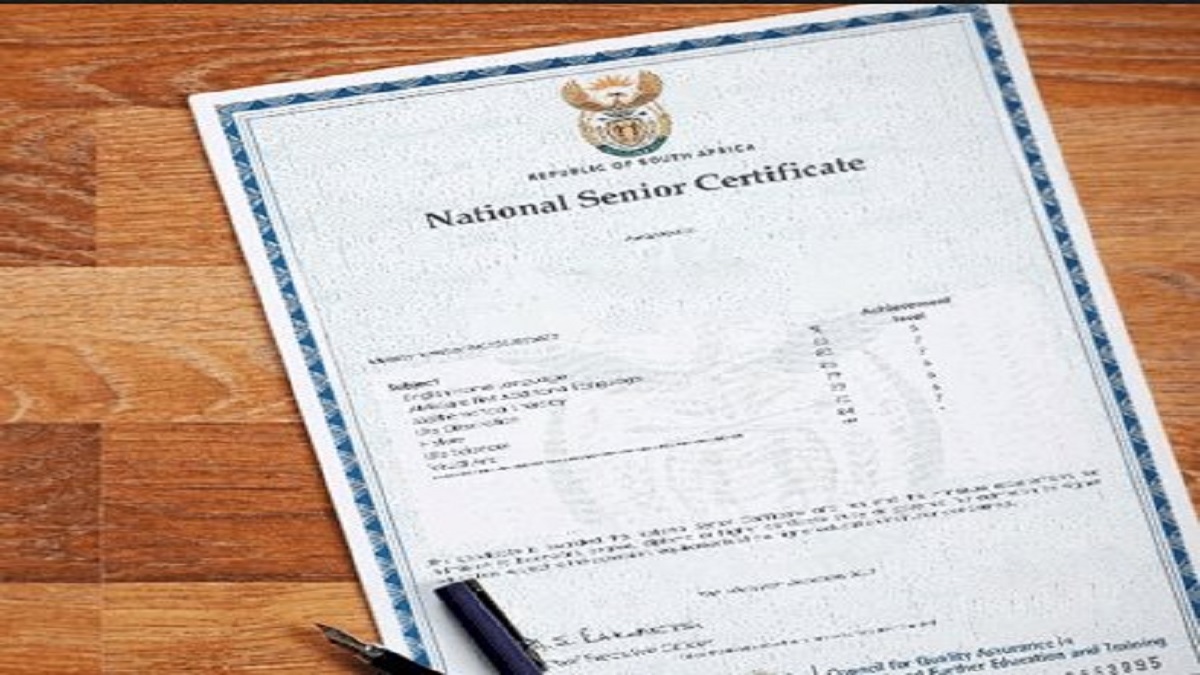
The Information Regulator's attempt to revive its challenge against the publication of matric results has failed after the High Court refused leave to appeal.
Share
Facebook Twitter LinkedIn Pinterest Email
  • The High Court has dismissed the Information Regulator’s request to appeal its defeat in the dispute over matric results.
  • This means the Department of Basic Education’s win stands, and the Regulator’s enforcement notices remain set aside.
  • The court found the proposed appeal had no reasonable chance of success and saw no compelling reason for it to go ahead.

The Department of Basic Education’s win over the publication of matric results remains intact after the Gauteng High Court in Pretoria refused to let the Information Regulator appeal the earlier decision.

This decision keeps the earlier judgment that set aside the Regulator’s enforcement notices in place. Unless a higher court agrees to hear a further petition, the department can continue publishing matric results as approved.

The Information Regulator of South Africa brought the application against the Minister and Director General of Basic Education. The South African National Editors’ Forum, Arena Holdings and AfriForum also took part in the proceedings. Judge O Mooki delivered the judgment, joined by Judge L Molopa Sethosa and Acting Judge M Morgan.

Background to the dispute

The dispute began over how the department published matric examination results and whether that process involved the unlawful use of personal information, according to the Protection of Personal Information Act.

The Information Regulator issued notices against the department, but these were set aside when the Department successfully challenged them in court. Unhappy with the outcome, the Regulator asked for permission to appeal.

The Regulator argued that the court was not allowed to excuse the department for filing its appeal late. It also claimed the court did not follow binding legal precedents, overreached by deciding the publication of matric results did not involve processing "personally identifiable information", and was wrong to find that the Department had valid grounds for appeal.

Court rejects arguments on condonation

One of the main issues raised by the Regulator was whether the court could excuse the department for filing its appeal late under POPIA.

The Regulator relied on earlier cases, including Mohlomi v Minister of Defence and Finishing Touch 163 (Pty) Ltd v BHP Billiton Energy Coal South Africa Ltd, and argued that the department’s appeal had lapsed because it was not served within the required time.

Judge Mooki rejected this argument. The judge found that the cases cited by the Regulator did not actually address the issue before the court and so did not support the Regulator’s position. Commenting on Mohlomi, Judge Mooki explained that the case was not about the High Court’s inherent power to excuse non-compliance with statutory rules.

The court also looked at the Supreme Court of Appeal’s decision in Toyota South Africa Motors (Pty) Ltd v Commissioner for the South African Revenue Service, which involved a late appeal outside the set legal time.

Judge Mooki concluded that previous cases support the idea that courts can decide whether to excuse late filings if the law allows it.

Why the court found condonation was necessary

The court said that its power to grant condonation is implied by law. Judge Mooki pointed out that without this power, there would be no way to hear appeals brought after the 30 days set by section 97 of POPIA.

The judge said that not allowing for condonation would hurt the justice system by stopping courts from hearing cases that might deserve attention, just because the law does not specifically mention condonation.

The judgment noted that, otherwise, there would never be a situation where an appeal could be made after the 30-day deadline in section 97 of POPIA.

Dispute over personal information

The Regulator also argued that the court was wrong to decide that publishing matric results was not the same as processing "personally identifiable information". Judge Mooki disagreed with this criticism.

The judge explained that the infringement notice focused on whether the department’s way of publishing results broke POPIA by revealing students’ personal information.

The court said that the phrase "personally identifiable information" simply described the main point of disagreement and was not an attempt to create new law. Judge Mooki said the expression ‘personally identifiable information’ just summed up the basic facts in the dispute.

No prospects of success

The court then considered the legal requirements for allowing an appeal. Judge Mooki explained that Section 17(1)(a) of the Superior Courts Act says an appeal can only go ahead if there’s a real chance a different court would decide differently, or if there’s another strong reason for an appeal.

The judge stressed that this is a high bar, and anyone wanting to appeal must show a clear and sensible reason why another court would reach a different outcome.

After looking at all the Regulator’s arguments, Judge Mooki concluded, “For the reasons above, I am not convinced that the appeal has any real chance of success.” The court also found the application did not raise any strong reasons that would justify an appeal.

Final order

The court dismissed the application for leave to appeal. It also ordered the Information Regulator to pay the costs of the application, including the higher costs for senior counsel and standard costs for other counsel.

Conviction.co.za

Get your news on the go. Click here to follow the Conviction WhatsApp channel.

Department of Basic Education High Court Information Regulator matric results POPIA
Share. Facebook Twitter Pinterest LinkedIn Tumblr Telegram Email
Kennedy Mudzuli

Multiple award-winner with passion for news and training young journalists. Founder and editor of Conviction.co.za

Related Posts

Municipal effort to charge student housing commercial rates ruled unlawful

July 23, 2026

Husband ordered to pay R106,211 monthly maintenance or face jail time

July 23, 2026

Judge dismisses bid to suspend attorneys over R23 million dispute, citing unfair investigation

July 22, 2026
Leave A Reply Cancel Reply

Prove your humanity: 3   +   3   =  

Subscribe to our newsletter:
Top Posts

Making sectional title rules that work: A practical guide

January 17, 2025

Protection order among the consequences of trespassing in an ‘Exclusive Use Area’

December 31, 2024

Between a rock and a foul-smelling place

November 27, 2024

Irregular levy increases, mismanagement, and legal threats in a sectional title scheme

June 2, 2025
Don't Miss
Employment and Labour Law Series
5 Mins Read

Screenshots are not evidence: The new frontier of unfair dismissal in South Africa

By Ann-Suhet MarxJuly 24, 20265 Mins Read

A recent Labour Court judgment has reshaped how digital evidence should be treated in workplace disputes. Ann Suhet Marx argues that screenshots, without proof of authenticity, authorship and context, cannot fairly justify dismissing an employee.

Why the High Court sided with Ramaphosa in the Phala Phala impeachment battle

July 24, 2026

SCOPA chair Zibi says RAF’s declining performance triggered Parliament’s inquiry

July 24, 2026

D-day for law firm to repay R500 000 property deposit after holding money for nearly nine years

July 24, 2026
Stay In Touch
  • Facebook
  • Twitter
  • WhatsApp
Demo
About Us
About Us

Helping South Africans to navigate the legal landscape; providing accessible legal information; and giving a voice to those seeking justice.

Facebook X (Twitter) YouTube WhatsApp Twitch RSS
Latest posts

Making sectional title rules that work: A practical guide

January 17, 2025

Protection order among the consequences of trespassing in an ‘Exclusive Use Area’

December 31, 2024

Between a rock and a foul-smelling place

November 27, 2024
OUR PICKS

Judge dismisses bid to suspend attorneys over R23 million dispute, citing unfair investigation

July 22, 2026

Wedding rehearsal or workplace protest? Judge rules in favour of singing mineworkers

July 21, 2026

Mpumalanga records highest initiation death toll, prompting CRL Rights Commission inquiry

July 21, 2026
© 2026 Conviction.
  • Home
  • Law & Justice
  • Special Reports
  • Opinion
  • Ask The Expert
  • Get In Touch

Type above and press Enter to search. Press Esc to cancel.

Powered by
►
Necessary cookies enable essential site features like secure log-ins and consent preference adjustments. They do not store personal data.
None
►
Functional cookies support features like content sharing on social media, collecting feedback, and enabling third-party tools.
None
►
Analytical cookies track visitor interactions, providing insights on metrics like visitor count, bounce rate, and traffic sources.
None
►
Advertisement cookies deliver personalized ads based on your previous visits and analyze the effectiveness of ad campaigns.
None
►
Unclassified cookies are cookies that we are in the process of classifying, together with the providers of individual cookies.
None
Powered by