


- Judiciary adopts roadmap for a single institutionally independent judiciary.
- Delegates endorse reforms on governance, funding, judicial accountability, and court administration.
- Conference backs artificial intelligence, digital courts, and judicial wellness as institutional priorities.
South Africa's judiciary has adopted sweeping reforms aimed at advancing a single, institutionally independent judiciary, strengthening accountability and accelerating the modernisation of the country's courts.
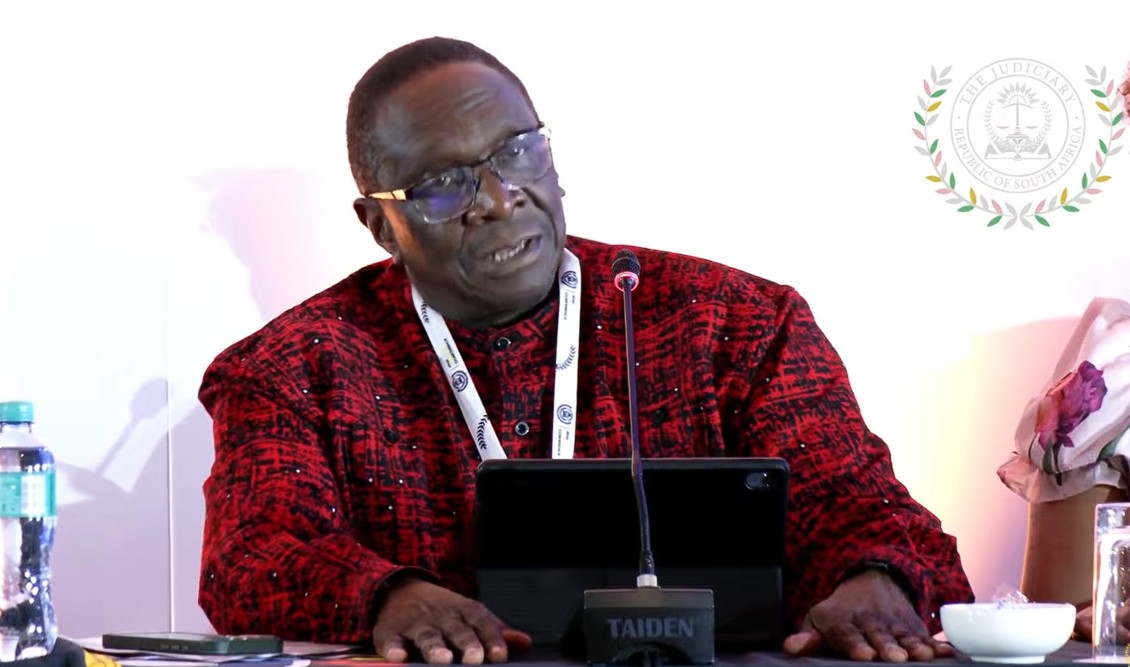
The resolutions were adopted at the conclusion of the 2026 Judiciary Conference, held in Durban from 13 to 16 July 2026. Presenting the outcomes during a post-conference media briefing on Thursday, 16 July 2026, Deputy Chief Justice Dunstan Mlambo said the resolutions would guide the judiciary's next phase of institutional development.
Single judiciary remains the priority
At the heart of the conference was renewed support for establishing a single judiciary that includes both judges and magistrates under one institution with greater administrative and financial independence.
"The judiciary reaffirms the establishment of a single unified judiciary as a constitutionally independent and equal branch of the state, which is inclusive of the magistrates," Justice Dunstan Mlambo said while presenting the conference resolutions.
Delegates resolved that the Judiciary Technical Committee should continue leading the process by developing a judicially led court administration and governance model together with the legislation needed to establish a fully institutionally independent judiciary. The committee will remain the sole forum through which the judiciary engages the executive on the single judiciary project.
The conference also called for a coordinated implementation plan with clear milestones, adequate funding and the gradual migration of magistrates' courts and related administrative functions to the Office of the Chief Justice through constitutionally compliant processes.
Recognising that some reforms do not require legislative amendments, delegates resolved that administrative functions capable of immediate transfer should be moved through memoranda of understanding and service level agreements.
Independence requires sustainable funding
Delegates concluded that constitutional independence cannot exist without adequate resources and a sustainable funding model. "A sustainable funding model should be established to secure the judiciary's financial independence and accountability for public funds," Justice Mlambo said.
The conference also called for legislation governing the financial management and administration of the judiciary to provide an appropriate framework for budgeting, financial administration and accountability consistent with the judiciary's constitutional responsibilities.
The judiciary reaffirmed its 2023 resolution that the salaries, allowances and benefits of judicial officers should be determined by an independent statutory body suited to the constitutional position of the judiciary.
Delegates further resolved that a committee should investigate amendments to the Judges' Remuneration and Conditions of Employment Act, pension arrangements affecting magistrates and the implications of retirement benefits across the judiciary.
The conference also called for greater investment in court infrastructure, staffing, information and communication technology, court recording, interpretation services, library facilities, security and legal research support. The Office of the Chief Justice was tasked with developing a national legal research hub, while the South African Judicial Education Institute should be strengthened to meet the training and development needs of judicial officers.
Accountability and judicial conduct
The conference reaffirmed that judicial independence and judicial accountability are complementary constitutional principles. "Judicial independence is inseparable from judicial accountability, ethical conduct and performance," Justice Mlambo said.
Delegates resolved that the review of the Code of Judicial Conduct and the Norms and Standards should clearly distinguish unsatisfactory performance from judicial misconduct while providing fair opportunities for corrective intervention before disciplinary proceedings are initiated.
The conference also acknowledged differences between the legislation governing judges and magistrates and resolved that appointments and disciplinary matters should ultimately be regulated under a single legislative framework.
The Judicial Service Commission and the Magistrates Commission were encouraged to strengthen their complaints and disciplinary systems and address accountability gaps where complaints arise from acting judicial appointments after those appointments have ended.
Courts prepare for the AI era
One of the conference's most significant resolutions focuses on artificial intelligence and the digital transformation of South Africa's courts.
Delegates resolved to accelerate the modernisation of court infrastructure through integrated case management systems, electronic filing and improved digital services to enhance access to justice.
"The judiciary should retain ownership and governance over the development, procurement and use of AI systems to ensure that human oversight, judicial reasoning and judicial determination remain central to their use," Justice Mlambo said.
The proposed AI policy will distinguish between administrative and adjudicative functions, define permissible and prohibited uses of artificial intelligence, safeguard confidentiality and ensure that training data reflects South Africa's constitutional values and transformative jurisprudence.
Delegates also supported the use of secure AI tools for court recording, transcription, case management and document summarisation. The conference further resolved that judicial officers should receive ongoing education on the responsible use of artificial intelligence, including prompt design and verification, while continuing to strengthen the legal research, analytical reasoning and judgment-writing skills that underpin judicial decision-making.
Strengthening public confidence
Recognising the need for greater public understanding of the courts, delegates resolved that the judiciary should expand its communication through judgment summaries, digital platforms and official social media channels.
The conference said these initiatives should improve public access to information, counter misinformation and strengthen confidence in the administration of justice.
Judicial wellness becomes a standing priority
The conference elevated judicial wellness to a permanent institutional priority and resolved that it should form part of the judiciary's planning and budgeting processes.
Delegates supported the development of a preventative framework to identify emotional, workload-related and personal challenges affecting judicial officers at an early stage through mentoring, peer support, continuing judicial education and wellness assistance.
Although the resolutions are not legally binding, they will guide the judiciary's engagement with the executive and inform future legislative and institutional reforms aimed at building a single, institutionally independent and accountable judiciary.
Get your news on the go. Click here to follow the Conviction WhatsApp channel.


