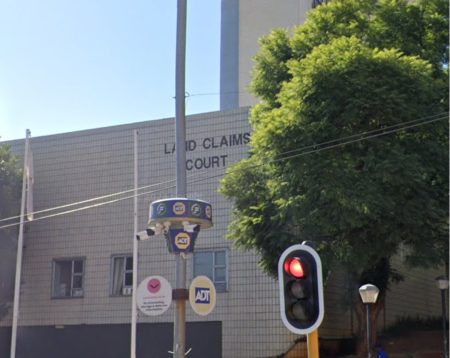
- The Land Claims Court has interdicted a meeting that sought to elect new leadership and adopt a beneficiary list without following due process.
- Frustrated community members remain divided over who qualifies to benefit from the billion-rand MalaMala land restitution deal.
- The judgment underscores the need for lawful and inclusive processes to restore legitimacy and trust in communal land governance.
The fight for justice over one of South Africa’s most valuable land claims has reached a new flashpoint. The Land Claims Court stopped a planned annual general meeting of the N’wandlamhari Communal Property Association (NCPA), the body tasked with managing land awarded in the historic MalaMala land restitution dispute. But this is no ordinary court interdict. It is a story of dispossession, deep frustration, and the failure of the very systems meant to empower communities long denied their land.
The court found that the meeting, called by a group identifying themselves as the “Concerned Beneficiaries,” was not lawfully convened. It had bypassed the constitutional requirements of the NCPA, including the need for a signed request by at least 100 verified members.
This was the latest attempt by factions within the community to seize control of the restitution process, one that remains stalled in conflict more than a decade after the land was returned.
Fractured community, forgotten promise
The people of Mhlanganisweni and Mavhuraka, two rural communities in Mpumalanga, share more than a geographic boundary. They share a history of dispossession under apartheid and now, an ongoing battle over what was meant to be their common victory.
In 2013, the State paid R1.1 billion to purchase the world-renowned MalaMala Game Reserve, transferring it to a communal property association representing both groups. But instead of healing, the restitution process became a source of new pain, as old alliances fractured and legal arguments replaced traditional consultation.
For many community members, the dream of land justice has turned into a nightmare of exclusion. The Mhlanganisweni faction claims to have been the original claimant. They argue that the Mavhuraka group, joined to the process by the Department of Rural Development, had never filed a formal land claim and are therefore not entitled to benefits. Meanwhile, Mavhuraka residents say they have been unfairly locked out of land governance processes and denied recognition.
This tug-of-war has played out in multiple court battles. At stake is not only the land, but control of development revenue, conservation partnerships, and future opportunities for generations to come.
When governance becomes a battlefield
The recent court case reflects the erosion of trust in community leadership and government support. The AGM was convened without the required verification, notification procedures, or transparent consultation.
Judge A Bishop described the situation as regrettable but emphasised that the rule of law must prevail. “People’s rights cannot be determined in a manner that disregards the constitutional framework,” the judgment reads. It went on to confirm that unless the NCPA constitution is respected, any decisions taken would be open to challenge.
But the deeper issue lies beyond procedure. As the judgment reveals, the underlying land restitution dispute continues to fester, with no verified beneficiary list, no trusted leadership, and no clear plan for restoring legitimacy.
The court also criticised the Department of Rural Development and Land Reform, which was instructed years ago to support a verification process and assist in convening a lawful AGM. That process never materialised, leaving the community in limbo.
Human stakes in a legal battle
Behind the legal language lies a community in crisis. Elders who fought for restitution, youth hoping for jobs, and families still living in poverty despite the billion-rand deal—they are the true victims of this prolonged conflict.
For them, the court’s interdict is not just a procedural outcome; it is a reminder that the promise of land justice remains unrealised.
As tensions mount and informal structures attempt to fill the leadership void, the court has urged all parties to return to constitutional order. That means following the rules, verifying membership, and giving every legitimate voice a seat at the table.
Until then, the MalaMala deal, once a symbol of post-apartheid redress, remains caught in a land restitution dispute that has divided neighbours and paralysed progress.
Conviction.co.za
Get your news on the go. Click here to follow the Conviction WhatsApp channel.