


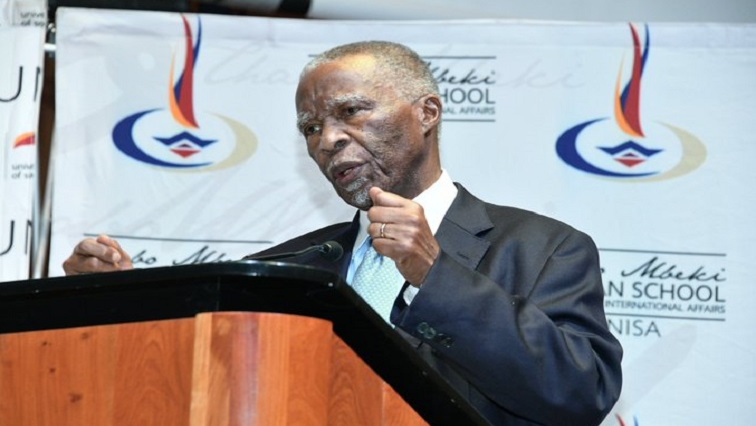
- Mbeki and Mabandla’s application to intervene in TRC prosecution case dismissed due to lack of direct legal interest.
- The case concerns alleged political suppression of apartheid-era prosecutions referred by the TRC.
- Court finds reputational concerns insufficient for intervention, but makes no order as to costs
In a judgment delivered on 1 August 2025, the North Gauteng High Court in Pretoria dismissed an application by former president Thabo Mbeki and erstwhile justice minister Brigitte Mabandla to intervene in a landmark constitutional case about the failure to prosecute apartheid-era crimes.
The main case, led by journalist Lukhanyo Calata and other family members of victims of apartheid atrocities, seeks a declaratory order against the government for deliberately suppressing TRC-referred prosecutions between 1998 and 2017. The applicants are also seeking constitutional damages and the creation of a trust to administer these.
Although government initially opposed the matter, the current administration has since conceded to the establishment of a commission of inquiry. The only remaining issues before the court are the declaratory order and potential constitutional damages.
Reputation versus legal interest
Mbeki and Mabandla sought to intervene on the basis that allegations against them, though indirect, could tarnish their reputations and imply culpability. Their names appear multiple times in the 259-page founding affidavit, often via quotes from published books or references to their positions during the relevant period.
The court, however, found that no direct allegations of wrongdoing were made against either applicant. The references were either factual or hearsay in nature, and the applicants were not identified as targets of the relief being sought.
Judge A Millar ruled that their reputational concerns did not amount to a “direct and substantial legal interest” in the relief sought. The court reiterated that such interest must relate to the order of the court, not its reasoning or supporting evidence.
Political interference already judicially confirmed
The court also noted that the issue of political interference in TRC prosecutions had already been judicially confirmed in earlier cases, most notably Rodrigues v National Director of Public Prosecutions. That judgment, upheld by the Supreme Court of Appeal, concluded that political decisions were taken at the highest levels of government to delay or prevent prosecution of apartheid-era cases, in defiance of TRC recommendations.
Because these findings stand, Judge Millar concluded that the main application does not require new or personal findings against Mbeki or Mabandla. Any opportunity for them to defend their conduct would arise before the commission of inquiry, not through intervention in this litigation.
Application dismissed without costs
Though the intervention bid was unsuccessful, the court declined to award costs against Mbeki and Mabandla. Judge Millar held that their desire to respond to the allegations was understandable, given the case’s constitutional and historical significance.
"Every person implicated, no matter how remotely, is acutely aware of [the case's] importance to our society at large," the court said.
The judgment closes the door on any direct role for Mbeki and Mabandla in the TRC prosecution litigation. But with the commission of inquiry now on the horizon, the country may yet hear their account of decisions made during one of the most sensitive and unresolved periods of South Africa’s democratic transition.
Conviction.co.za
Get your news on the go. Click here to follow the Conviction WhatsApp channel.
