


- Phased transfer of administrative and operational functions from the Department of Justice to the Office of the Chief Justice to strengthen court autonomy.
- Enactment of legislative frameworks to provide the judiciary with full financial, human resources, and operational independence while ensuring accountability to Parliament.
- Creation of a single, unified judiciary capable of managing its operations, infrastructure, and resources independently, reinforcing the separation of powers and constitutional democracy.
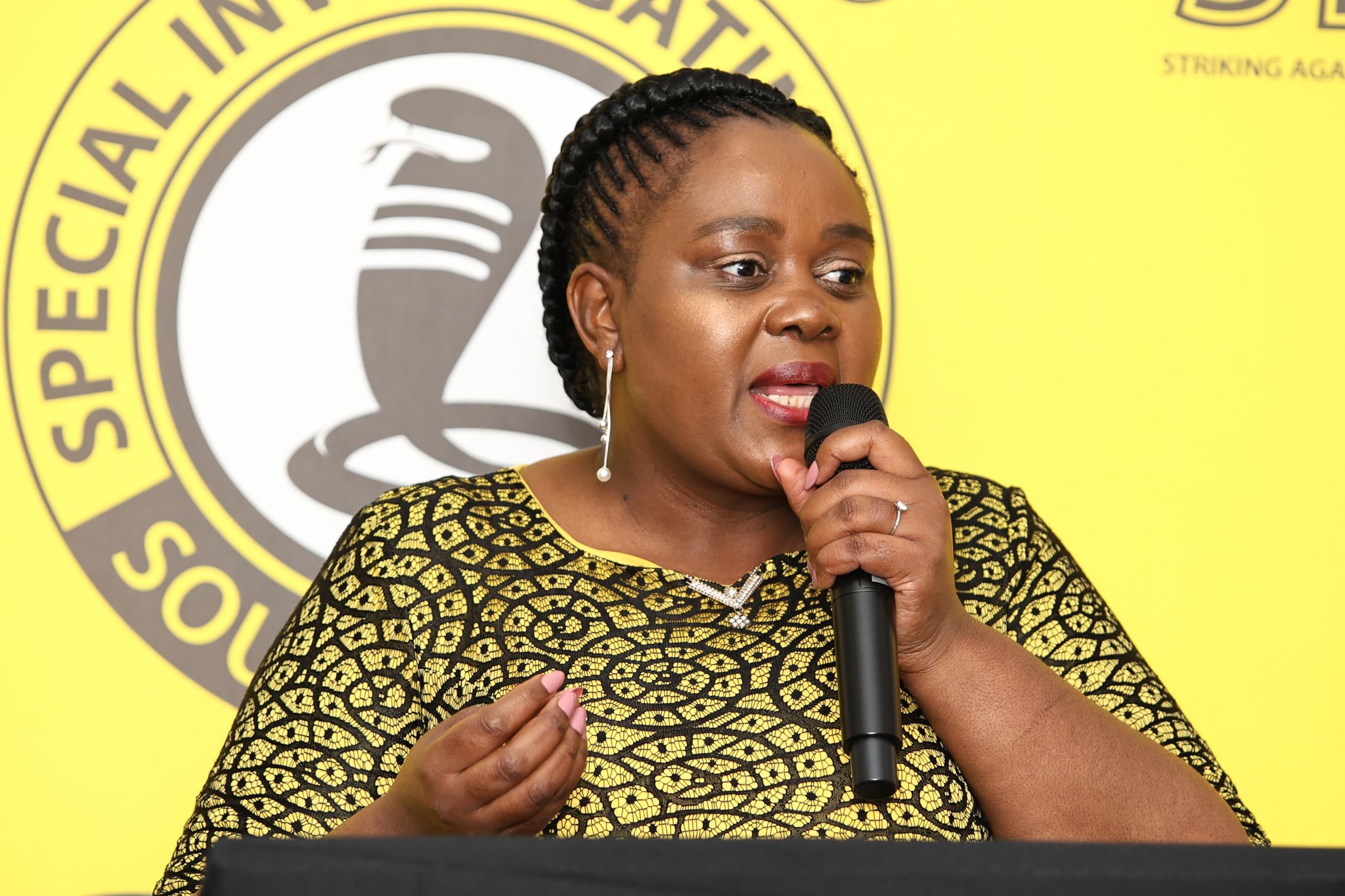
The Minister of Justice and Constitutional Development, Mmamoloko Kubayi, has reaffirmed the government’s commitment to an independent judiciary. She outlined steps to strengthen the administration and operational autonomy of South Africa’s courts.
Speaking during a Judges Matter webinar on judicial reforms on Saturday 20 September 2025, Kubayi presented a phased plan to transfer key administrative functions from the Department of Justice to the office of the Chief Justice. This change aims to ensure the judiciary can operate independently from executive oversight.
Recalling President Cyril Ramaphosa’s remarks at Constitutional Hill during the Constitutional Court’s 30-year anniversary celebrations, Kubayi noted the court’s resilience amid political debates. She highlighted its steadfast commitment to uphold the Constitution. “Our courts, especially the Constitutional Court, have been able to be a steady voice, grounded in reason, compassion, and principle without interference from the executive, even in cases where the executive disagreed with the courts’ decisions,” she said.
The minister explained that institutional reforms are key to judicial transformation and establishing a judiciary capable of self-governance, both operationally and financially. A Task Team with representatives from the executive and judiciary has been formed to guide the transfer of functions and draft legislation that will enable full institutional independence.
Phase 1 of this transfer will focus on shared services for superior courts. This will be effective starting 1 April 2026. Phase 2 will address broader operational independence and include legislative measures to create a single, unified judiciary with improved capacity and authority over human resources, procurement, budgeting, and court operations. Kubayi stressed that the proposed framework will follow models such as the Financial Management of Parliament and Public Finance Management Acts. This will provide oversight mechanisms while preventing executive interference.
Towards a stronger, single judiciary
“The judiciary must be empowered to manage its operations, infrastructure, and resources independently while remaining accountable to Parliament,” Kubayi emphasized. She also mentioned that audits are currently being conducted to pinpoint functions within lower courts that could be transferred to the OCJ. This will advance the idea of a single judiciary that strengthens the separation of powers in South Africa.
Concluding her remarks, the Minister reaffirmed the executive’s support for judicial independence. She highlighted the importance of an operationally and administratively autonomous judiciary in safeguarding the democratic order and protecting citizens’ rights.
Conviction.co.za
Get your news on the go. Click here to follow the Conviction WhatsApp channel.
