





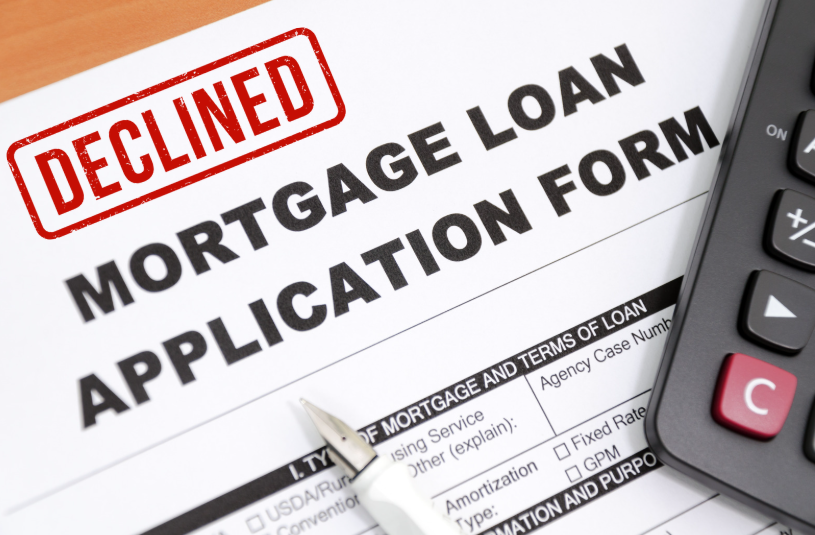
- Temporary loans are routinely flagged by banks as signs of financial pressure, even when fully repaid, and this behaviour can lead to declined or delayed home loan approval for otherwise creditworthy buyers.
- Repeated short-term borrowing lowers creditworthiness through behavioural scoring models, which focus on patterns of reliance rather than whether each loan was settled on time.
- Financial advisers warn that avoiding payday style credit for at least six months before applying for a bond and using structured facilities instead can materially improve approval chances and interest rates.
The payday trap has become a quiet obstacle for thousands of South Africans hoping to buy their first home.
What feels like a small, practical fix at the end of the month, a quick temporary loan to cover groceries, school uniforms or an unexpected repair, can later surface as a red flag when a bank assesses a home loan application. By the time many buyers discover the impact, the opportunity to secure favourable finance has already slipped away.
Hannah van Deventer, director of Phoenix Bonds, says temporary loans are one of the most common reasons banks decline, downgrade or delay applications.
“People assume that if they repay a temporary loan on time, it won’t count against them,” she says. “But lenders read these loans as a reliance on debt. It’s not the repayment that concerns them; it’s the pattern. And banks take home loans very seriously.”
How banks interpret short-term credit
Credit reports tell a story that goes far beyond balances and due dates. They reveal habits. When banks evaluate a long-term commitment like a 20-year bond, they search for consistency, stability and predictable cash flow. Repeated short-term borrowing disrupts that picture.
“When banks assess a home loan application, they look for stability, predictability and low reliance on short-term credit,” Van Deventer explains. “Repeated temporary loans, even small ones, are red flags. They send the message that you’re struggling to make it through the month, which raises concerns about affordability and resilience.”
She says modern lending systems rely heavily on behavioural analytics rather than isolated incidents. “So while a single temp loan may be overlooked, a series of them is almost always flagged,” she adds. “It becomes a pattern, and patterns are what the system reacts to.”
Paying early does not protect your profile
One of the biggest misunderstandings is the belief that early repayment cancels out any negative effect. Van Deventer says this is rarely the case.
She describes a typical example of a working professional who took several small loans over the festive season and again in January for school expenses. Every loan was repaid ahead of schedule, yet her bond application was declined.
“The temp loans, small as they were, signalled that she couldn’t manage month-end without high-risk credit,” Van Deventer says. “The bank didn’t see a responsible consumer who repaid early. They saw someone living too close to the financial edge.”
“They tell us, I paid everything back. The system doesn’t reward that. It still reads reliance,” she adds.
The hidden impact on your credit score
Temporary loans fall into what lenders classify as high-risk, short-term credit, and that label alone can weigh on a credit profile.
“This fiscal behaviour is not uncommon, and in nearly every instance the customer has no idea about the negative impacts,” Van Deventer says. “Some banks even offer these payday-style loans inside their apps with very little explanation of the downstream consequences.”
“A client can be approved for a temporary loan in minutes, yet later be declined for a home loan by the same bank because that credit behaviour signals risk,” she explains. “Borrowers are rarely told how short-term credit can impact their long-term property goals.”
“The high-risk, short-term classification can lower your score regardless of whether you repay early, on time or in full,” she says. “A lower score affects your chances of approval, the interest rate you’re offered and the loan amount you qualify for.”
Timing before you apply matters most
Van Deventer says the months leading up to a bond application are critical because banks focus on recent behaviour to predict future risk.
“And timing matters. A lot,” she says. “Temporary loans taken in the three to six months before applying for a bond can result in a declined application, a reduced loan amount, or a higher interest rate that costs thousands over the home loan period.”
The long-term cost of short-term fixes
For many families, a home represents safety and stability. Temporary loans may feel small in the moment, but they can quietly weaken a credit profile at the exact time strength is needed most.
“They weaken your credit profile, reduce your negotiating power and signal instability,” Van Deventer says. “If owning a home is your goal, avoid temporary loans altogether and focus on building a clean, consistent credit history.”
Get your news on the go. Click here to follow the Conviction WhatsApp channel.