

Skip to content
Close Menu
ConvictionConviction
  • Home
  • Law & Justice
  • Special Reports
  • Opinion
  • Ask The Expert
  • Get In Touch

Subscribe to Updates

Get the latest creative news from FooBar about art, design and business.

What's Hot

Power struggles and service delivery: What’s at stake in SA’s 2026 Local Government Elections

September 1, 2026

Investment or Ponzi scheme? Four questions that reveal the difference

September 1, 2026

Appeal judges find trial court got the facts wrong, overturn R3.7 million RAF earnings ruling

September 1, 2026
Facebook X (Twitter) Instagram
Trending
  • Power struggles and service delivery: What’s at stake in SA’s 2026 Local Government Elections
  • Investment or Ponzi scheme? Four questions that reveal the difference
  • Appeal judges find trial court got the facts wrong, overturn R3.7 million RAF earnings ruling
  • Uitzicht or Durbanville? Property listings spark heated suburb dispute
  • Removal of material from disputed R225 million gold dumps halted
  • R178.7 million Taylor Bequest Hospital tender award declared unlawful
  • When the dock becomes a catwalk: Why well-dressed suspects are treated like superstars
  • Swearing at and assaulting a subordinate is a dismissible workplace offence
Facebook X (Twitter) Instagram
ConvictionConviction
Sonneblom
  • Home
  • Law & Justice
  • Special Reports
  • Opinion
  • Ask The Expert
  • Get In Touch
ConvictionConviction
Home » 2026 Local Government Elections South Africa
Opinion

Power struggles and service delivery: What’s at stake in SA’s 2026 Local Government Elections

Navigating instability, service delivery, and new political entrants in the 2026 polls.
Dr Lefatshe MoagiBy Dr Lefatshe MoagiSeptember 1, 2026No Comments
Facebook Twitter Pinterest LinkedIn WhatsApp Reddit Tumblr Email
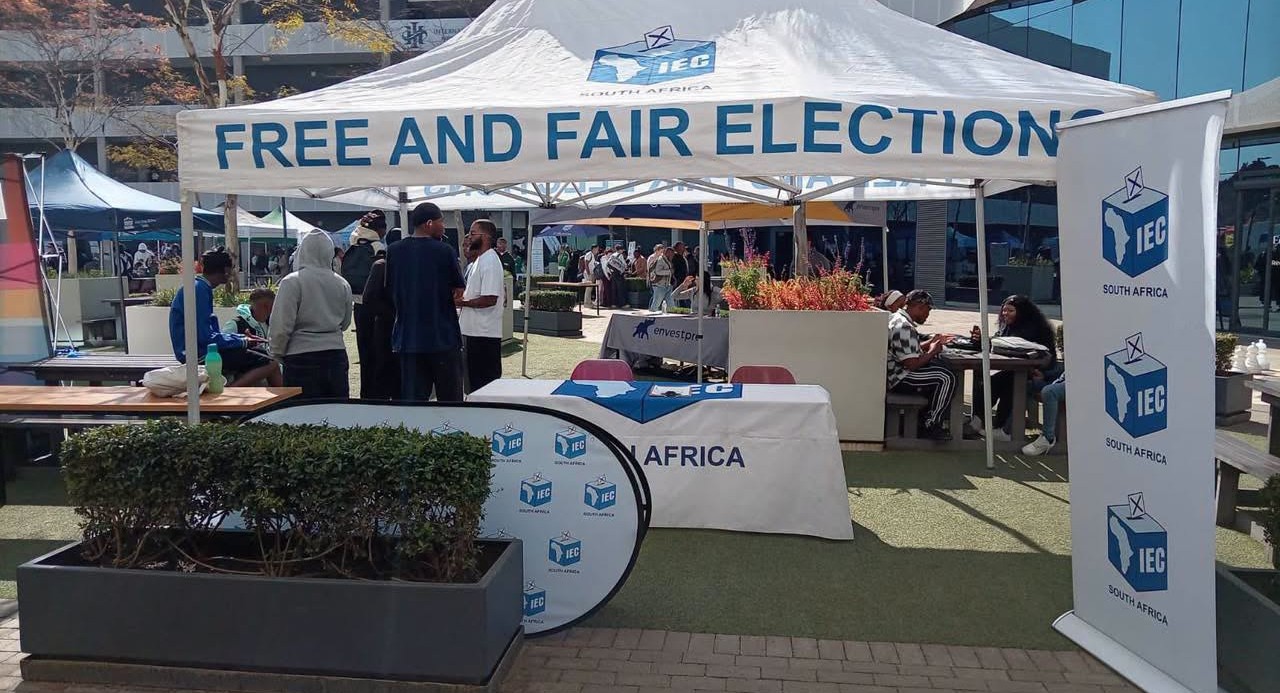
Electoral Commission of South Africa (IEC) logo.
Share
Facebook Twitter LinkedIn Pinterest Email
  • South Africa’s 2026 Local Government Elections will be defined by coalition politics, with significant implications for service delivery and governance stability across municipalities.
  • Voter education, accountability, and leadership consistency are central challenges as both new and established parties compete for influence at the local level.
  • There is a pressing need for professional reforms and stronger institutional frameworks to address frequent leadership changes and ensure municipalities meet their constitutional obligations.

Are voters heading to the Local Government Elections on 4 November uninformed? What should voters be aware of?

Should they consider party records over partisan loyalty, or should they continue voting along traditional lines? Meritocracy should take centre stage over party politics, including a critical assessment of the service delivery records of current leaders.

South Africa’s Local Government Elections will take place on 4 November 2026 and will feature prominently in the country’s evolving landscape of coalition politics. Coalitions can frustrate and confuse voters, making civic and voter education essential in helping citizens understand the key differences and considerations ahead of the Local Government Elections. In essence, a coalition is an alliance of political parties that comes together to govern municipalities and deliver services.

Policymakers and analysts have expressed growing concern about coalition governments in municipalities, arguing that they have the potential to disrupt the administration of essential services. In coalition governance, a political party generally requires 50% plus one of the seats to govern alone. However, where no party reaches that threshold, coalition agreements become necessary.

The central debate is whether coalition governance can address citizens’ needs despite political differences and competing ideologies. The primary mandate of local government is service delivery. While coalition politics can improve representation, many coalition-led municipalities have struggled with stability, accountability, and practical governance.

Promises made to communities must be realistic and achievable, particularly as municipalities grapple with rising electricity costs and persistent water and sanitation failures that are compounded by political instability.

Governance, service delivery, and the impact of coalitions

The Local Government Elections have become a focal point in public debate, encompassing local governance, institutional resilience, and economic conditions. Local government functions most effectively when it builds institutional capacity and enables municipalities to deliver the services communities require.

However, municipalities continue to face serious challenges during election cycles, particularly financial mismanagement and the misuse of public funds, which contribute to maladministration. Long-term planning is frequently undermined by inconsistent leadership, with mayoral offices changing hands repeatedly. Tshwane, for example, has had four different mayors in the four years since the 2021 Local Government Elections.

These political decisions have lasting consequences for municipal administration, operational stability, and service delivery. A weak municipal administration inevitably weakens any coalition government, reducing its ability to govern effectively.

Conclusion

Professional reform of municipal legislation is needed to reduce frequent leadership changes and strengthen accountability within local governance. Municipalities must uphold their constitutional obligations and ensure they function effectively.

Political negotiation and ongoing dialogue will remain essential as coalition dynamics continue to evolve. The 2026 Local Government Elections will also test the prospects of established parties against newer entrants.

Parties including BOSA, Rise Mzansi, and the MK Party, which gained representation in the 2024 national elections, will contest local government alongside first-time entrants such as the Afrika Mayibuye Movement. Their performance is likely to reshape political dynamics within municipalities.

As recognised in the 1998 White Paper on Local Government, municipalities should work with citizens to rebuild communities. Yet coalition governments have often struggled to fulfil this responsibility, introducing instability into planning and legislative compliance.

Power struggles between executive mayors, speakers, and chief whips have undermined service delivery and weakened the sustainability of metropolitan municipalities.

Coalition governments are now an established feature of South African local politics, but their success depends on stable agreements, institutional integrity, and governance that places public service above party self-interest.

The rule of law, supported by institutions such as SALGA, the IEC, and independent analysts, will remain critical in strengthening voter education and improving the legislative framework for coalition governance.

Conviction.co.za

Get your news on the go. Click here to follow the Conviction WhatsApp channel.

The opinions expressed in this article are solely those of the author and do not necessarily reflect the views of Conviction.co.za

2026 Local Government Elections coalition politics Municipal governance Service delivery
Share. Facebook Twitter Pinterest LinkedIn Tumblr Telegram Email
Dr Lefatshe Moagi

Political analyst in the Department of Political Sciences at UNISA.

Related Posts

When the dock becomes a catwalk: Why well-dressed suspects are treated like superstars

August 31, 2026

Closing in on August: South Africa must end its war against women

August 30, 2026

Women are producing the science, but are we helping them turn it into innovation?

August 29, 2026
Leave A Reply Cancel Reply

Prove your humanity: 4   +   4   =  

Subscribe to our newsletter:
Top Posts

Making sectional title rules that work: A practical guide

January 17, 2025

Protection order among the consequences of trespassing in an ‘Exclusive Use Area’

December 31, 2024

Between a rock and a foul-smelling place

November 27, 2024

Irregular levy increases, mismanagement, and legal threats in a sectional title scheme

June 2, 2025
Don't Miss
Opinion
4 Mins Read

Power struggles and service delivery: What’s at stake in SA’s 2026 Local Government Elections

By Dr Lefatshe MoagiSeptember 1, 20264 Mins Read

Coalition politics, unstable municipal leadership and new political entrants are set to shape South Africa’s 2026 Local Government Elections and local service delivery.

Investment or Ponzi scheme? Four questions that reveal the difference

September 1, 2026

Appeal judges find trial court got the facts wrong, overturn R3.7 million RAF earnings ruling

September 1, 2026

Uitzicht or Durbanville? Property listings spark heated suburb dispute

September 1, 2026
Stay In Touch
  • Facebook
  • Twitter
  • WhatsApp
Demo
About Us
About Us

Helping South Africans to navigate the legal landscape; providing accessible legal information; and giving a voice to those seeking justice.

Facebook X (Twitter) YouTube WhatsApp Twitch RSS
Latest posts

Making sectional title rules that work: A practical guide

January 17, 2025

Protection order among the consequences of trespassing in an ‘Exclusive Use Area’

December 31, 2024

Between a rock and a foul-smelling place

November 27, 2024
OUR PICKS

Judges order Free State Premier to decide on Barolong Boo Seleka leadership dispute

August 7, 2026

Eskom ordered to tackle Kusile pollution with urgent 30-day environmental action plan

August 17, 2026

Pretoria court registrar who issued fraudulent court orders struck off legal roll

August 17, 2026
© 2026 Conviction.
  • Home
  • Law & Justice
  • Special Reports
  • Opinion
  • Ask The Expert
  • Get In Touch

Type above and press Enter to search. Press Esc to cancel.

Powered by
►
Necessary cookies enable essential site features like secure log-ins and consent preference adjustments. They do not store personal data.
None
►
Functional cookies support features like content sharing on social media, collecting feedback, and enabling third-party tools.
None
►
Analytical cookies track visitor interactions, providing insights on metrics like visitor count, bounce rate, and traffic sources.
None
►
Advertisement cookies deliver personalized ads based on your previous visits and analyze the effectiveness of ad campaigns.
None
►
Unclassified cookies are cookies that we are in the process of classifying, together with the providers of individual cookies.
None
Powered by