


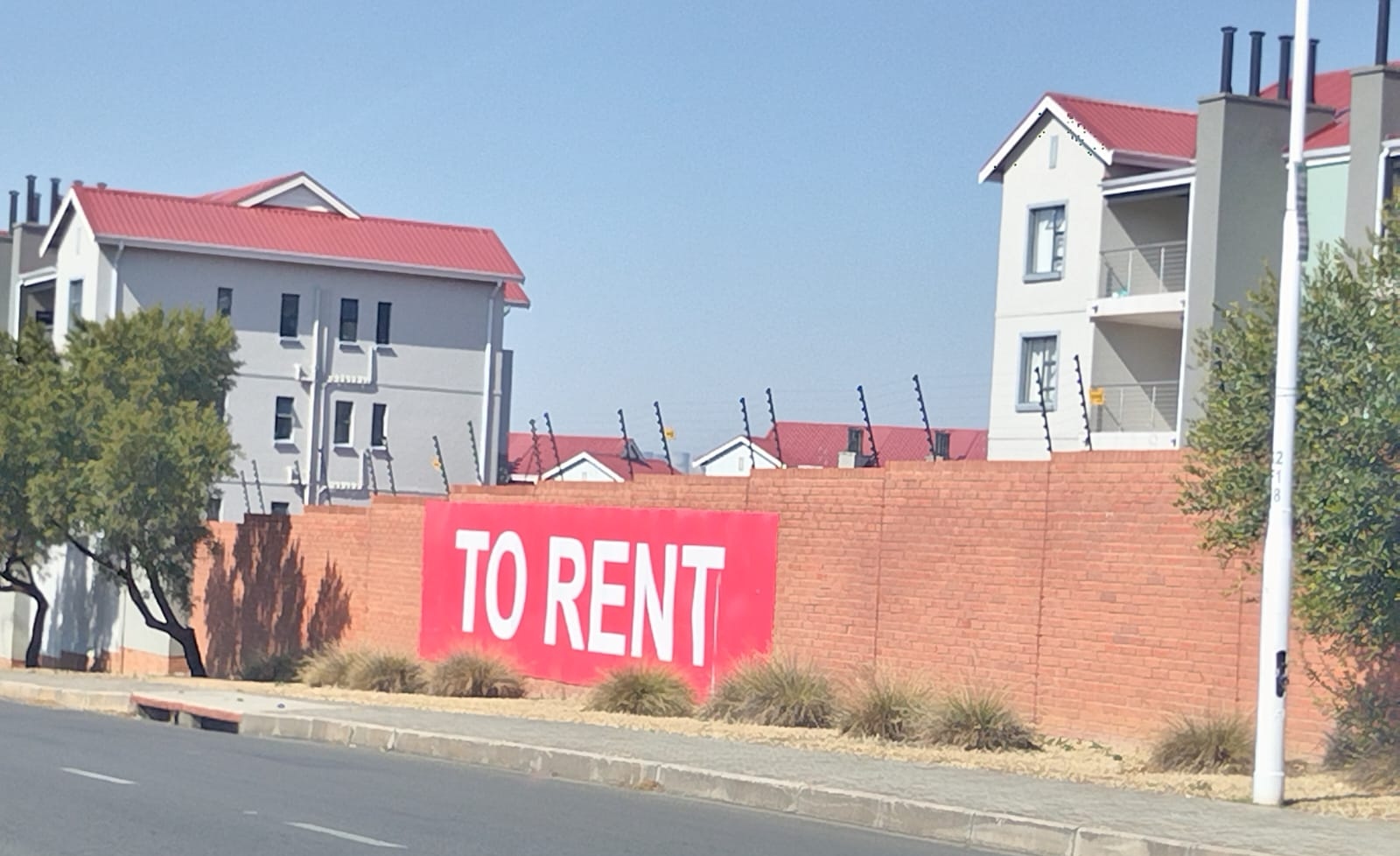
- Tenants have the right to live in safe, well-maintained homes with privacy and protection against unfair practices.
- Landlords are entitled to clarity and legal protection in managing their properties, including handling payments, maintenance, and evictions fairly.
- The Rental Housing Act fosters balance and fairness, helping both parties resolve disputes and build respectful rental relationships.
Renting a home should feel safe and straightforward. Yet, too often, tenants face sudden rent increases, landlords struggle with late payments, and small misunderstandings spiral into legal battles. The Rental Housing Act exists to keep this relationship fair and balanced, protecting both sides and promoting trust.
Take Sipho, for example. He just moved into his first apartment in Johannesburg. He’s excited about finally having his own space, but he’s also anxious. What if the landlord suddenly hikes the rent? What if the tap leaks and no one fixes it? On the other side, Thandi, a landlord, worries about tenants who don’t pay on time, or worse, damage her property.
The Rental Housing Act steps in here. It doesn’t just provide rules; it provides a framework that affects real lives. For Sipho, it means the right to live peacefully in a safe home. For Thandi, it offers clarity on how to protect her property and income. For both, it creates a fair path to resolve disputes without costly court battles.
Tenants: Your home is your right
As a tenant, your home is more than just a roof; it’s your sanctuary. The law protects your right to privacy and quiet enjoyment. Landlords cannot enter your home without notice, except in emergencies. They must also keep the property safe and in good condition.
Written lease agreements may feel formal, but they are a tenant’s best protection. They spell out rent amounts, payment schedules, maintenance responsibilities, and even rules about visitors. A clear lease means that if a water leak happens or there’s a disagreement about repairs, both parties know exactly what to do.
And if things go wrong, like unfair rent increases or delays in returning a deposit, tenants can turn to the Rental Housing Tribunal. This body exists to resolve disputes quickly and fairly, without the stress or cost of court.
Landlords: Protecting your property and peace of mind
Landlords aren’t left out of the equation. Managing a rental property comes with responsibility. The law requires landlords to maintain the property, respond to repair requests, and handle security deposits properly. Doing so isn’t just legal compliance; it’s smart management.
Consider Thandi again. By keeping good records, responding quickly to maintenance requests, and providing tenants with receipts and agreements, she avoids disputes and builds trust. And if a tenant fails to pay rent or violates lease terms, the law ensures eviction follows a structured, fair process, protecting both her rights and those of the tenant.
Everyday balance and practical tips
The beauty of the Rental Housing Act is that it balances real-world needs. Tenants gain security and protection. Landlords gain clarity and recourse. This isn’t about creating barriers; it’s about fostering respectful relationships where both sides feel safe.
Some simple habits make a big difference: tenants should keep records of payments and repair requests, and landlords should document inspections and communication. Clear leases, open communication, and mutual respect transform what could be a stressful situation into a smooth rental experience.
Beyond the law: Human impact
At its core, the Rental Housing Act is about people. It affects Sipho, who can now enjoy his apartment without fear of arbitrary eviction. It affects Thandi, who can manage her property confidently knowing the law protects her rights. The Act creates a framework where fairness is possible, disputes are minimised, and homes remain secure for everyone involved.
Final thoughts
Renting doesn’t have to be complicated or stressful. The Rental Housing Act ensures that tenants and landlords understand their rights, responsibilities, and protections. By keeping agreements clear, communication respectful, and obligations transparent, both parties can enjoy a rental experience that is safe, fair, and stress-free.
When tenants and landlords understand the law, they’re not just following rules, but they’re creating peaceful homes, trusted relationships, and fair communities.
Conviction.co.za
Get your news on the go. Click here to follow the Conviction WhatsApp channel.
