


- Shoppers say being forced to pay to relieve themselves violates dignity and basic rights, especially for poor families and children.
- Mall management insists the fee is a response to theft and vandalism and says exemptions apply to vulnerable groups.
- Public opinion remains sharply divided, with many rejecting the explanation and urging authorities to intervene.
What started as a routine management decision, described as maintenance control, has now become a full-blown community standoff over dignity and basic rights.
The introduction of a R2 fee to use the toilets at the new Soshanguve Mall has sparked fierce resistance from shoppers who feel the policy turns a basic human need into a paid privilege. Within hours, frustration spilled onto social media and through official complaint channels.
Residents have accused the mall of ignoring public objections and pushing through a decision that hits the poorest customers the hardest. What stings most is not the money itself, shoppers say, but the message it sends about who belongs and who can afford dignity in a public space.
A mall built on a community promise
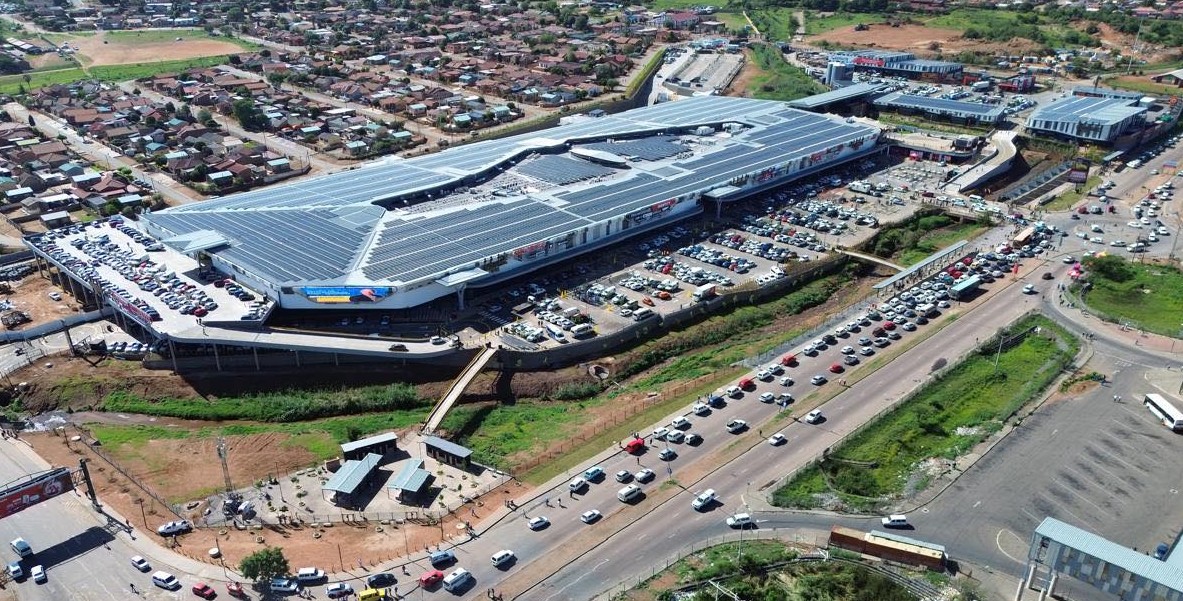
Soshanguve Mall, which opened its doors on 21 November 2025 on the site of the original Soshanguve Plaza, stands at the heart of a vibrant township of more than 900 000 people. It is home to over 200 trading tenants, bringing together a dynamic mix of national brands, local businesses and community-driven experiences.
For many locals, the mall has become a symbol of hope and progress. The area has long faced underdevelopment and limited opportunities, with residents often forced to travel far for work. The development and construction of the new shopping centre marked a turning point, creating more than 2,000 jobs during the build and prioritising local suppliers and contractors.
A significant portion of the workforce received training or upskilling, and with the mall’s opening, more than 3 700 permanent jobs have been unlocked. For the community, the mall represents a renewed sense of economic possibility and pride.
The complaint that ignited the backlash
Among those who have formally challenged the decision is Anastasia Swangs, who escalated the matter to the National Consumer Commission, Tshwane Executive Mayor Dr Nasiphi Moya and the South African Human Rights Commission via their social media channels after receiving no feedback from earlier complaints.
“We need your urgent intervention since many community members, including myself, made formal complaints and did not receive any direct response,” she wrote. “Decisions like this should consider the majority of shoppers who voted against the paid toilets at Soshanguve Mall.”
For Swangs and others, the issue runs deeper than inconvenience. They argue that sanitation in a public mall should never be conditional on payment, especially in a low-income community where every rand already carries weight. In their view, the silence from authorities and management is just as painful as the policy itself.
Mall’s defence and rationale
Mall management has defended the decision, citing repeated vandalism, damage and theft. In a notice addressed to shoppers, management explained that due to repeated incidents of damage, vandalism and theft of toilet paper, an entry fee had been introduced.
The mall insists this move is about safety, hygiene and sustainability rather than profit. Management says pensioners, people with disabilities and pregnant women will be exempt from paying, and has urged those responsible for vandalism to stop. Customer experience and a hygienic environment remain top priorities, the statement continued.
Public divided as anger simmers
Still, many shoppers remain unconvinced. Some residents support the mall’s position, believing that the discipline and protection of public property must start somewhere. Others reject the narrative entirely. Lesiba James Modisha believes a simple operational fix could resolve the problem. “I think the lockable toilet paper holder will solve the problem,” he said.
Others suggested staffing solutions. Thabiso Mbembe argued that supervision, not payment, should be the answer. All you have to do is employ someone to watch over the toilets. This is part of maintenance and should not require additional payments from patrons, he said.
Several shoppers questioned the vandalism explanation itself. Marvin Moane said other malls operate under similar social pressures without charging. He pointed to smaller malls outside big cities that still manage free access using controlled distribution and monitoring. In his view, the solution exists, but the will to implement it does not.
Tebogo Yoyo wondered why the mall could not simply issue limited amounts of toilet paper at a controlled point instead of charging people at the door. Others accused management of shifting responsibility onto customers without first trying simpler options.
Get your news on the go. Click here to follow the Conviction WhatsApp channel.
