Skip to content
Close Menu
ConvictionConviction
  • Home
  • Law & Justice
  • Special Reports
  • Opinion
  • Ask The Expert
  • Get In Touch

Subscribe to Updates

Get the latest creative news from FooBar about art, design and business.

What's Hot

The legal fault lines inside South Africa’s blended families and the cases reshaping family law

April 17, 2026

Secrets of the listeriosis outbreak are finally being forced into the open

April 17, 2026

Tenant wins urgent court battle after landlord chains and padlocks shop shut

April 17, 2026
Facebook X (Twitter) Instagram
Trending
  • The legal fault lines inside South Africa’s blended families and the cases reshaping family law
  • Secrets of the listeriosis outbreak are finally being forced into the open
  • Tenant wins urgent court battle after landlord chains and padlocks shop shut
  • Court orders Tshwane to fix school properties it sold without proper approvals
  • RAF cannot exclude undocumented foreign nationals from compensation claims
  • JSC overrules tribunal and finds Judge President Mbenenge guilty of gross misconduct
  • Firearm laws and court processes explained through the Julius Malema case
  • Asylum seekers are paying bribes to stay free, and the system is letting it happen
Facebook X (Twitter) Instagram
ConvictionConviction
Demo
  • Home
  • Law & Justice
  • Special Reports
  • Opinion
  • Ask The Expert
  • Get In Touch
ConvictionConviction
Home » South Africa’s G20 Presidency and the struggle for reparative justice
Opinion

South Africa’s G20 Presidency and the struggle for reparative justice

A critical reflection on necropolitics, coloniality, gender, and hypermasculinity by Professor Itumeleng Mothoagae.
Professor Itumeleng MothoagaeBy Professor Itumeleng MothoagaeNovember 11, 2025No Comments
Facebook Twitter Pinterest LinkedIn WhatsApp Reddit Tumblr Email
blank
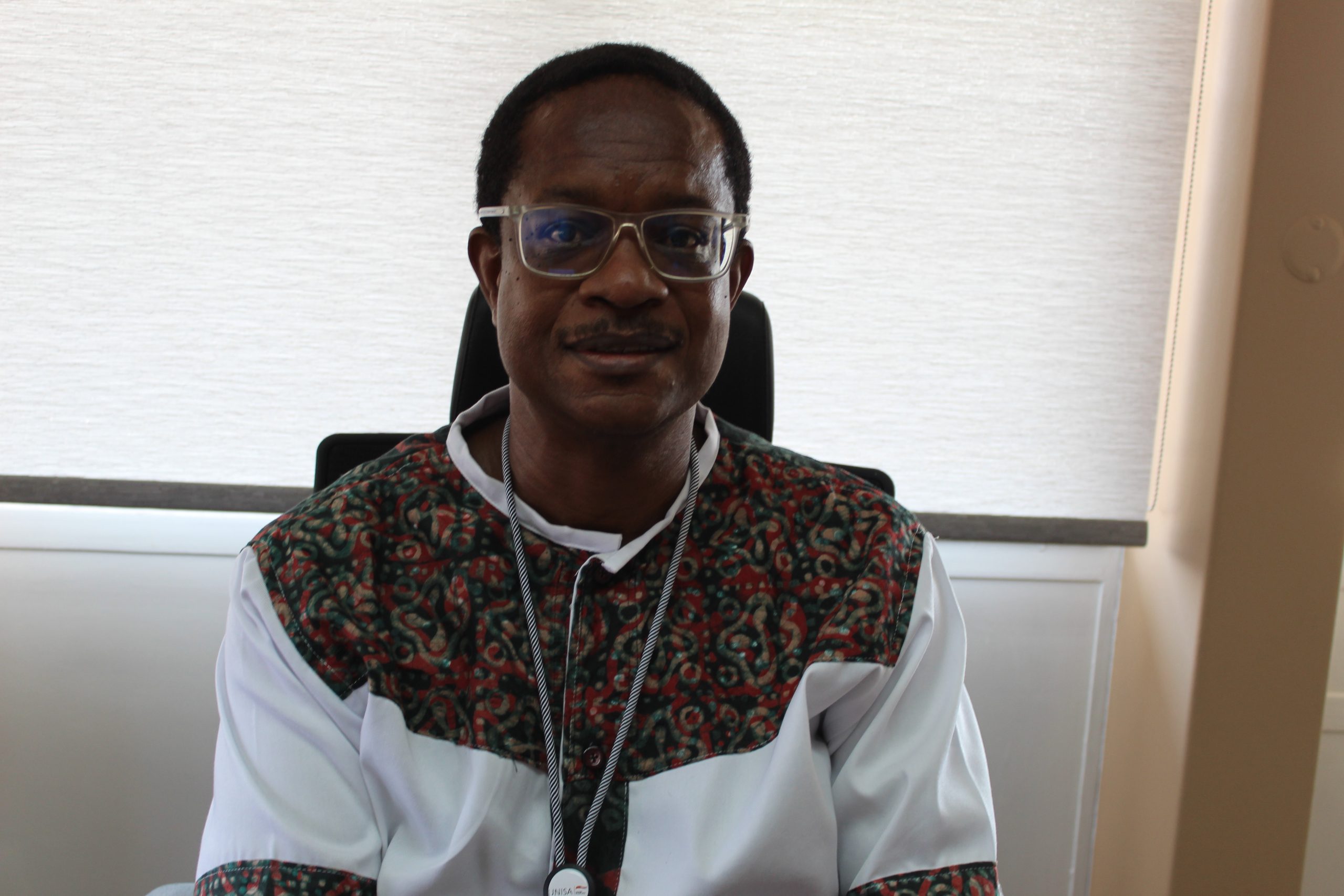
Professor Itumeleng Mothoagae of the Department of Gender and Sexuality Studies at the Unisa College of Human Sciences. Picture: Supplied
Share
Facebook Twitter LinkedIn Pinterest Email
  • Gendered power remains central to the structural inequalities shaping global economic governance.
  • Hypermasculinity fuels authoritarian backlash and undermines reparative justice and feminist transformation.
  • South Africa must confront necropolitics and coloniality to lead a truly inclusive and decolonial G20 agenda.

South Africa’s 2025 presidency of the G20 marks a historic juncture, offering a compelling opportunity to reframe global economic governance around the principles of “Solidarity, Equality, and Sustainability.”

However, to fully engage with and challenge the profound structural inequities at play requires a critical intersectional analysis, one that situates gender and the re-emergence of hypermasculinity within the broader regimes of necropolitics and coloniality, while also interrogating the aspirations and limitations of reparative utopia.

Gendered power remains central to the structural inequalities shaping global economic governance. Within South Africa’s G20 agenda, the Women20 (W20) platform exemplifies a vital effort to mainstream gender equality as a core economic and social imperative, embedding values such as the Ubuntu/Botho philosophy and principles to reframe solidarity in collective and relational terms.

Yet, despite progress in securing commitments addressing the female labour participation gap, wage disparity, unpaid care work, and systemic violence against women, there remain barriers at the nexus of patriarchal capitalism and colonial legacies that demand more profound transformation.

Hypermasculinity and the necropolitical backlash

The resurgence of hypermasculinity, a heightened performative form of masculinity often linked with the geopolitical rise of the far right, introduces new complexity into these dynamics. This type of masculinity promotes aggression, dominance, and exclusion, frequently supporting authoritarian nationalism and anti-feminist backlash that threaten global gender justice efforts.

Hypermasculine geopolitical ideologies act as a necropolitical force, increasing differential vulnerabilities by reinforcing control through violence, exclusion, and disposability, especially towards women and marginalised gender identities in African and Global South contexts.

Hypermasculinity fuels authoritarian backlash and undermines reparative justice and feminist transformation. South Africa’s G20 presidency must therefore navigate these interconnected challenges. Using Mbembe's Concept of Necropolitics as sovereign power over life and death is both racialised and gendered, influencing who is deemed politically and economically expendable.

The colonial matrix of power, as outlined by Quijano and Mignolo, clarifies how coloniality’s intertwined axes of race, class, and gender continue to shape global capitalism and knowledge systems, including within international governance forums such as the G20. South Africa’s role offers a potential heterotopic space, to invoke Foucault, where subverted and emancipatory relations could be enacted, but only if hegemonic neoliberal and patriarchal structures can be meaningfully challenged.

Reparative utopia and the limits of technocracy

From the perspective of a reparative utopia, the challenge is both visionary and daunting. Reparations involve more than financial compensation; they require an epistemic and ontological reckoning with colonial dispossession, gendered violence, and economic exclusion.

Women’s roles as carriers of communal memory, agents of healing, and leaders of socio-economic resilience must be central, not peripheral, to this transformative justice. However, the hypermasculine reactionary currents worldwide risk co-opting or diluting reparative justice into technocratic interventions that lack radical redistribution or fundamental epistemic shifts.

South Africa must confront necropolitics and coloniality to lead a truly inclusive and decolonial G20 agenda. In this critical nexus of necropolitics, coloniality, gender, and hypermasculinity, the presidency embodies both the promise of Africa’s rising voice in global affairs and the dangers of deepening global power imbalances.

To achieve a truly transformative agenda, it must address the lived realities of intersecting oppressions, recognising that sustainable solidarity requires dismantling patriarchal capitalism and colonial legacies together, resisting the right’s hypermasculine resurgence, and prioritising reparative justice as a radical, inclusive endeavour.

It is only through such an intersectional, decolonial praxis that this historic presidency can move beyond symbolic inclusion to enact meaningful systemic change, affirming that no pursuit of global justice can succeed without confronting the necropolitical realities and gendered violences that continue to define our global order.

Conviction.co.za 

Get your news on the go. Clickhere to follow the Conviction WhatsApp channel.

Coloniality G20 Presidency gender justice Necropolitics Reparative Utopia
Share. Facebook Twitter Pinterest LinkedIn Tumblr Telegram Email
Professor Itumeleng Mothoagae

    Professor in the Department of Gender and Sexuality Studies at the Unisa College of Human Sciences. He writes in his personal capacity.

    Related Posts

    South African-led HIV vaccine trial marks a significant moment for science and public health

    April 15, 2026

    From remembrance to repair: Why the legacy of slavery still demands action today

    April 14, 2026

    South Africa’s Green Drop Report diagnoses a failing wastewater system

    April 9, 2026
    Leave A Reply Cancel Reply

    Prove your humanity: 0   +   5   =  

    Subscribe to our newsletter:
    Top Posts

    Making sectional title rules that work: A practical guide

    January 17, 2025

    Protection order among the consequences of trespassing in an ‘Exclusive Use Area’

    December 31, 2024

    Between a rock and a foul-smelling place

    November 27, 2024

    Irregular levy increases, mismanagement, and legal threats in a sectional title scheme

    June 2, 2025
    Don't Miss
    Marriage Series
    5 Mins Read

    The legal fault lines inside South Africa’s blended families and the cases reshaping family law

    By Ann-Suhet MarxApril 17, 20265 Mins Read

    In the Marriage Series this week, Ann-Suhet Marx explores how legal disputes in blended families are forcing South African courts to rethink Rule 43, maintenance, and the protection of children.

    Secrets of the listeriosis outbreak are finally being forced into the open

    April 17, 2026

    Tenant wins urgent court battle after landlord chains and padlocks shop shut

    April 17, 2026

    Court orders Tshwane to fix school properties it sold without proper approvals

    April 17, 2026
    Stay In Touch
    • Facebook
    • Twitter
    • WhatsApp
    Demo
    About Us
    About Us

    Helping South Africans to navigate the legal landscape; providing accessible legal information; and giving a voice to those seeking justice.

    Facebook X (Twitter) WhatsApp
    Our Picks

    The legal fault lines inside South Africa’s blended families and the cases reshaping family law

    April 17, 2026

    Secrets of the listeriosis outbreak are finally being forced into the open

    April 17, 2026

    Tenant wins urgent court battle after landlord chains and padlocks shop shut

    April 17, 2026
    Most Popular

    Making sectional title rules that work: A practical guide

    January 17, 2025

    Protection order among the consequences of trespassing in an ‘Exclusive Use Area’

    December 31, 2024

    Between a rock and a foul-smelling place

    November 27, 2024
    © 2026 Conviction.
    • Home
    • Law & Justice
    • Special Reports
    • Opinion
    • Ask The Expert
    • Get In Touch

    Type above and press Enter to search. Press Esc to cancel.