Skip to content
Close Menu
ConvictionConviction
  • Home
  • Law & Justice
  • Special Reports
  • Opinion
  • Ask The Expert
  • Get In Touch

Subscribe to Updates

Get the latest creative news from FooBar about art, design and business.

What's Hot

What it really costs to take a legal dispute to court in South Africa

September 12, 2026

Sectional title schemes explained: Is that parking bay really for you?

September 11, 2026

ConCourt rules KZN government has the final say on removing traditional leaders

September 11, 2026
Facebook X (Twitter) Instagram
Trending
  • What it really costs to take a legal dispute to court in South Africa
  • Sectional title schemes explained: Is that parking bay really for you?
  • ConCourt rules KZN government has the final say on removing traditional leaders
  • Sanlam fraud debarment overturned after hearing notice sent to wrong email address
  • Facebook Marketplace ‘Sganai’ scam syndicate gets life and 150 years behind bars
  • Judge blocks Absa-linked company from selling pensioner’s home
  • Mugg & Bean franchise fired waitress, then used alleged racist remark to justify it
  • Eviction law does not protect temporary homeless shelters from court-ordered eviction
Facebook X (Twitter) Instagram
ConvictionConviction
Sonneblom
  • Home
  • Law & Justice
  • Special Reports
  • Opinion
  • Ask The Expert
  • Get In Touch
ConvictionConviction
Home » Supreme Court restores Tshivhase marriage, slams High Court over customary claim
Family Law

Supreme Court restores Tshivhase marriage, slams High Court over customary claim

Supreme Court upholds the Tshivhase civil marriage, dismisses a contested customary claim, and faults the High Court’s handling of the case.
Kennedy MudzuliBy Kennedy MudzuliSeptember 15, 2025Updated:September 15, 2025No Comments
Facebook Twitter Pinterest LinkedIn WhatsApp Reddit Tumblr Email
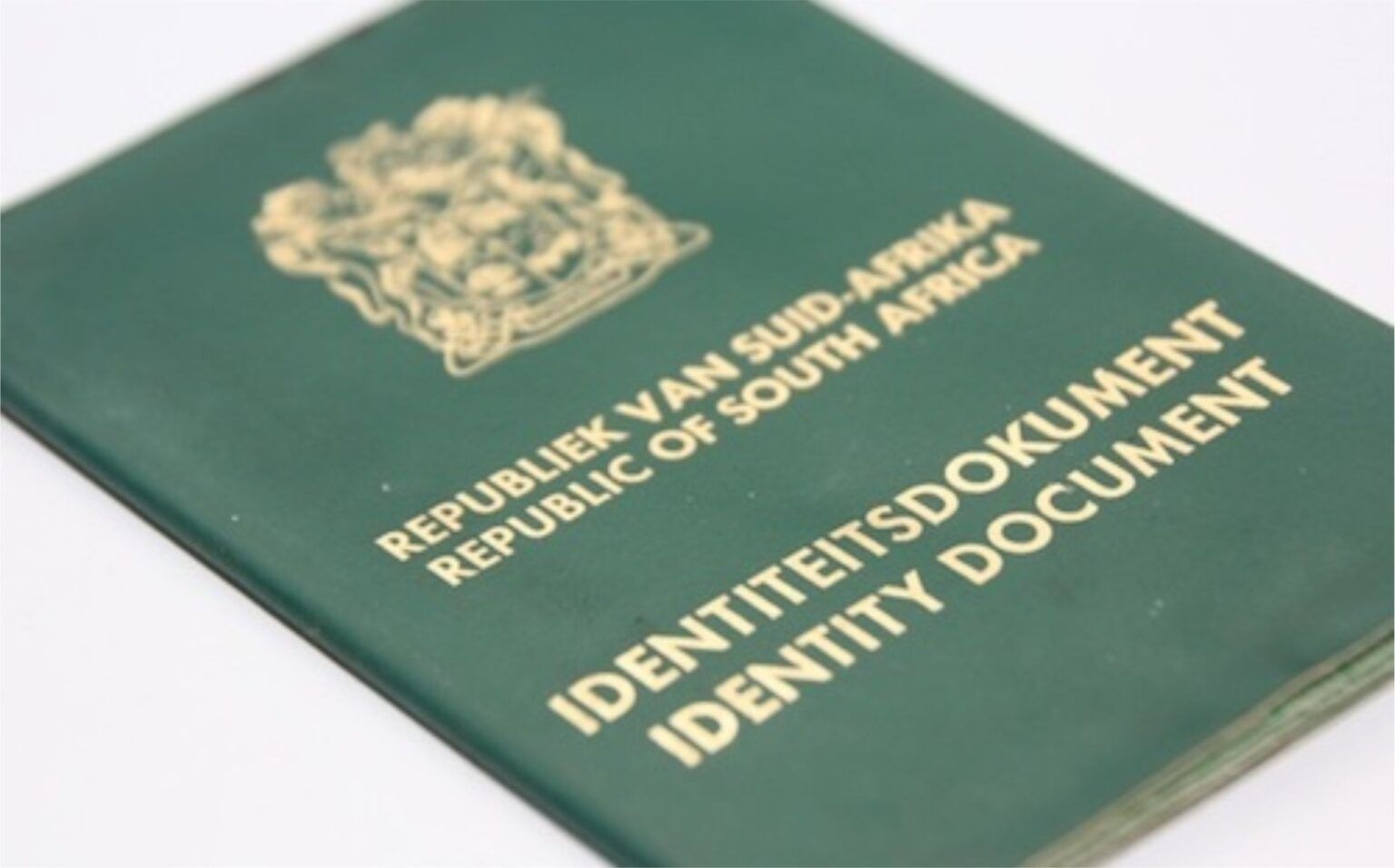
The High Court based its decision on an identity document issued by the former Republic of Venda.
Share
Facebook Twitter LinkedIn Pinterest Email
  • The Supreme Court reinstated the civil marriage and joint will of Ndavheleseni and Thimbiluni Tshivhase, rejecting a disputed claim to a customary marriage.
  • The respondent’s sole reliance on an outdated identity document was deemed legally insufficient, as no additional evidence was provided.
  • The high court was strongly criticised for procedural errors, including failing to involve affected parties and not giving timely reasons for its judgment.

The Tshivhase v Tshivhase case was about a difficult family inheritance dispute after Ndavheleseni Lazarus Tshivhase died. Azwihangwisi Francinah Tshivhase, the respondent, said she had married the deceased under customary law back in 1966. She argued that this meant his later civil marriage to Thimbiluni Elizabeth Tshivhase and their joint Will should not be valid.

Her claim rested almost entirely on an identity document issued by the former Republic of Venda, which listed her marital status as “married". The Supreme Court found this document to be insufficient and legally inconclusive. It reaffirmed that identity entries do not constitute proof of marriage and cannot override formal civil registration.

The respondent failed to produce any corroborative evidence. There was no lobola agreement, no witness affidavits, no details of rituals or negotiations. Her testimony lacked specificity and was contradicted by the deceased’s documented conduct, including his formal civil marriage and estate planning.

Civil marriage upheld, joint will reinstated

The appellant, Thimbiluni Tshivhase, had married the deceased in 1977 under the Black Administration Act. Their union was registered, and a valid marriage certificate was issued. In 2009, the couple executed a joint will, which was accepted by the Master of the High Court and formed the basis of their estate planning.

Despite this, the High Court declared the marriage void and set aside the will, without joining the affected beneficiaries or providing reasons for its decision. The Supreme Court found this deeply flawed. It held that the respondent had not complied with the Recognition of Customary Marriages Act, which requires formal declarations and registration when a customary union precedes a civil marriage.

The court ruled that the civil marriage was legally sound and that the joint will must be reinstated. It emphasised that the invalidation of the will had prejudiced third parties who were excluded from the proceedings, rendering the High Court’s dismissal of the non-joinder point legally untenable.

Judicial accountability: A rare rebuke

In a striking condemnation, the Supreme Court criticised the High Court judge for failing to provide reasons when the original order was handed down. Only after a complaint was lodged with the Judicial Service Commission did the judge offer a belated explanation, which the appellate bench described as “ill-conceived” and “contrary to the rule of law.”

The judgment reaffirmed that judicial accountability demands timely, reasoned decisions, especially in cases involving marital status, inheritance, and the rights of third parties. The Court found that the high court’s conduct undermined public confidence in the judiciary and violated foundational principles of procedural fairness.

Legal precedent and broader implications

The ruling reinforces the evidentiary rigor required to prove customary marriages, particularly when they are used to challenge civil unions and estate instruments. The court cited its own precedent in Manwadu v Manwadu, reiterating that identity documents cannot substitute for marriage certificates or formal declarations.

It also clarified that the Recognition of Customary Marriages Act does not operate retroactively to validate unregistered unions that predate civil marriages. The judgment sets a clear precedent: customary claims must be substantiated with formal evidence, and procedural fairness must be upheld in all estate litigation.

Conviction.co.za

Get your news on the go. Click here to follow the Conviction WhatsApp channel.  

civil marriage Customary marriage inheritance dispute Supreme Court Tshivhase case
Share. Facebook Twitter Pinterest LinkedIn Tumblr Telegram Email
Kennedy Mudzuli

Multiple award-winner with passion for news and training young journalists. Founder and editor of Conviction.co.za

Related Posts

Father who ignored maintenance orders faces jail if he fails to pay within 14 days

September 10, 2026

Lawyers ordered to pay from their own pockets after refusing to abandon hopeless appeal

September 9, 2026

Inheritance claim exposes a crucial gap in South Africa’s wills law

August 31, 2026
Leave A Reply Cancel Reply

Prove your humanity: 4   +   2   =  

Subscribe to our newsletter:
Top Posts

Your driving licence at the gate: What estates can actually legally scan

Sponsor: My Estate LifeSeptember 6, 2026

Making sectional title rules that work: A practical guide

January 17, 2025

Protection order among the consequences of trespassing in an ‘Exclusive Use Area’

December 31, 2024

Between a rock and a foul-smelling place

November 27, 2024
Don't Miss
Legal Aid
5 Mins Read

What it really costs to take a legal dispute to court in South Africa

By Conviction Staff ReporterSeptember 12, 20265 Mins Read

From attorney fees and advocate costs to court tariffs and taxation, here’s what every South African should know before taking a legal dispute to court.

Sectional title schemes explained: Is that parking bay really for you?

September 11, 2026

ConCourt rules KZN government has the final say on removing traditional leaders

September 11, 2026

Sanlam fraud debarment overturned after hearing notice sent to wrong email address

September 11, 2026
Stay In Touch
  • Facebook
  • Twitter
  • WhatsApp
Demo
About Us
About Us

Helping South Africans to navigate the legal landscape; providing accessible legal information; and giving a voice to those seeking justice.

Facebook X (Twitter) YouTube WhatsApp Twitch RSS
Latest posts

Your driving licence at the gate: What estates can actually legally scan

Sponsor: My Estate LifeSeptember 6, 2026

Making sectional title rules that work: A practical guide

January 17, 2025

Protection order among the consequences of trespassing in an ‘Exclusive Use Area’

December 31, 2024
OUR PICKS

Lawyers ordered to pay from their own pockets after refusing to abandon hopeless appeal

September 9, 2026

Mugg & Bean franchise fired waitress, then used alleged racist remark to justify it

September 11, 2026

My soul is not happy: Sharpeville survivors take government to court over apartheid reparations

September 4, 2026
© 2026 Conviction.
  • Home
  • Law & Justice
  • Special Reports
  • Opinion
  • Ask The Expert
  • Get In Touch

Type above and press Enter to search. Press Esc to cancel.

Powered by
►
Necessary cookies enable essential site features like secure log-ins and consent preference adjustments. They do not store personal data.
None
►
Functional cookies support features like content sharing on social media, collecting feedback, and enabling third-party tools.
None
►
Analytical cookies track visitor interactions, providing insights on metrics like visitor count, bounce rate, and traffic sources.
None
►
Advertisement cookies deliver personalized ads based on your previous visits and analyze the effectiveness of ad campaigns.
None
►
Unclassified cookies are cookies that we are in the process of classifying, together with the providers of individual cookies.
None
Powered by