

Skip to content
Close Menu
ConvictionConviction
  • Home
  • Law & Justice
  • Special Reports
  • Opinion
  • Ask The Expert
  • Get In Touch

Subscribe to Updates

Get the latest creative news from FooBar about art, design and business.

What's Hot

SCA clears the way for banks to recover unpaid vehicle debt in the High Court

May 23, 2026

Why South African companies can no longer afford toxic work cultures

May 22, 2026

Shoprite cash office clerk wins job back despite gross negligence claim over missing R10,000

May 22, 2026
Facebook X (Twitter) Instagram
Trending
  • SCA clears the way for banks to recover unpaid vehicle debt in the High Court
  • Why South African companies can no longer afford toxic work cultures
  • Shoprite cash office clerk wins job back despite gross negligence claim over missing R10,000
  • Family’s RAF claim fails despite court finding motorcycle crash contributed to father’s suicide
  • R1 million verbal home sale sparks constitutional challenge to property law
  • Another perspective on the pushback against BEE and equity policies: Who is BEE working for?
  • Landlord loses urgent bid to remove family from Sandton home after lease termination
  • FSCA sounds alarm on fake Telegram investment scams targeting South Africans
Facebook X (Twitter) Instagram
ConvictionConviction
Sonneblom
  • Home
  • Law & Justice
  • Special Reports
  • Opinion
  • Ask The Expert
  • Get In Touch
ConvictionConviction
Home » Home Affairs ordered to stop blocking citizenship applications
Law & Justice

Home Affairs ordered to stop blocking citizenship applications

Kennedy MudzuliBy Kennedy MudzuliMarch 6, 2025No Comments
Facebook Twitter Pinterest LinkedIn WhatsApp Reddit Tumblr Email
Share
Facebook Twitter LinkedIn Pinterest Email

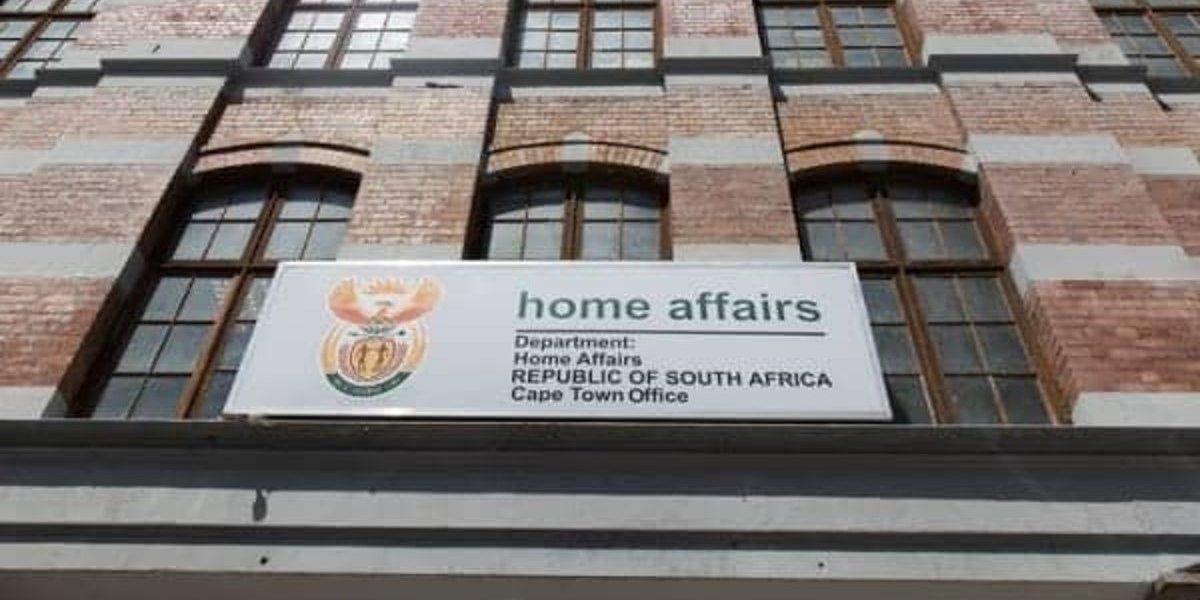
The Western Cape High Court has condemned Home Affairs’ unlawful ‘gatekeeping’ practices, ordering immediate changes to how citizenship applications are processed.  

The ruling delivered on 6 March 2025 has its roots in the Department of Home Affairs for its practices surrounding the processing of citizenship and registration applications. The case exposed systemic issues faced by applicants at the Cape Town office, primarily relating to a screening process employed by officials that was deemed unlawful and unconstitutional. 

The matter was initiated by a law firm, De Saude Sadat Darbandi, along with several individual applicants who accused the department of unlawfully denying their applications based on a perceived lack of compliance with the Citizenship Act and the Births and Deaths Registration Act.

The court deemed the conduct of officials at the Cape Town office as constituting “gatekeeping,” a practice where applicants were unfairly turned away without their submissions being sent up the chain for a formal decision.  

Under normal circumstances, citizenship applications should be accepted at local offices and forwarded to Pretoria for formal adjudication. However, the court proceedings illustrated a troubling reality where many individuals, including South African citizens, were denied the ability to submit their applications based on arbitrary decisions made by front-office officials.  

These practices were criticised for effectively acting as gatekeepers, denying access to essential public services and undermining procedural fairness mandated by the Constitution. 

Under normal circumstances, citizenship applications should be accepted at local offices and forwarded to Pretoria for formal adjudication.


The applicants detailed their frustrating experiences during testimony, alleging instances where they were wrongfully informed that they did not meet the requirements for application.  

For example, individuals were refused the opportunity to file applications due to documents that were either unnecessary or not specified as requirements in the law. One applicant reported being turned away while seeking to register a birth, only to be told that he could not apply unless he provided documents that did not even exist. 

“It is irrefutable that screening should not be a barrier,” observed Judge Nziweni in his judgment, stating that the officials at the Cape Town office lacked the legal authority to refuse files based on subjective interpretations of compliance.  

The judge further noted that the refusal by screening officials to accept applications deprived individuals of their right to present their case to the proper adjudicators in Pretoria. 

The Department has been given 60 days to implement the necessary changes and report back to the court on their progress. In his closing remarks, Judge Nziweni ordered the department to accept the applications of the individuals involved in the case and ensure that future applicants are treated in accordance with established legal frameworks. The court also mandated that costs be borne by the respondents, reflecting the gravity of the infringements of rights endured by the applicants. 

#Conviction


Share. Facebook Twitter Pinterest LinkedIn Tumblr Telegram Email
Kennedy Mudzuli

Multiple award-winner with passion for news and training young journalists. Founder and editor of Conviction.co.za

Related Posts

SCA clears the way for banks to recover unpaid vehicle debt in the High Court

May 23, 2026

Shoprite cash office clerk wins job back despite gross negligence claim over missing R10,000

May 22, 2026

Family’s RAF claim fails despite court finding motorcycle crash contributed to father’s suicide

May 22, 2026
Leave A Reply Cancel Reply

Prove your humanity: 6   +   2   =  

Subscribe to our newsletter:
Top Posts

Making sectional title rules that work: A practical guide

January 17, 2025

Protection order among the consequences of trespassing in an ‘Exclusive Use Area’

December 31, 2024

Between a rock and a foul-smelling place

November 27, 2024

Irregular levy increases, mismanagement, and legal threats in a sectional title scheme

June 2, 2025
Don't Miss
Consumer Protection Law
4 Mins Read

SCA clears the way for banks to recover unpaid vehicle debt in the High Court

By Kennedy MudzuliMay 23, 20264 Mins Read

The Supreme Court of Appeal has ruled that banks may use the High Court to recover unpaid vehicle finance debt after repossessed vehicles are sold, ending uncertainty over the scope of Section 127(8) of the National Credit Act.

Why South African companies can no longer afford toxic work cultures

May 22, 2026

Shoprite cash office clerk wins job back despite gross negligence claim over missing R10,000

May 22, 2026

Family’s RAF claim fails despite court finding motorcycle crash contributed to father’s suicide

May 22, 2026
Stay In Touch
  • Facebook
  • Twitter
  • WhatsApp
Demo
About Us
About Us

Helping South Africans to navigate the legal landscape; providing accessible legal information; and giving a voice to those seeking justice.

Facebook X (Twitter) YouTube WhatsApp Twitch RSS
Latest posts

Making sectional title rules that work: A practical guide

January 17, 2025

Protection order among the consequences of trespassing in an ‘Exclusive Use Area’

December 31, 2024

Between a rock and a foul-smelling place

November 27, 2024
OUR PICKS

Judge warns body corporate levy lawsuits may be abuse of court process

March 16, 2026

Three-year waiting period for attorneys to appear in higher courts declared unconstitutional

May 15, 2026

GIWUSA and Sasol face off at CCMA amid deductions dispute

May 18, 2026
© 2026 Conviction.
  • Home
  • Law & Justice
  • Special Reports
  • Opinion
  • Ask The Expert
  • Get In Touch

Type above and press Enter to search. Press Esc to cancel.

Powered by
►
Necessary cookies enable essential site features like secure log-ins and consent preference adjustments. They do not store personal data.
None
►
Functional cookies support features like content sharing on social media, collecting feedback, and enabling third-party tools.
None
►
Analytical cookies track visitor interactions, providing insights on metrics like visitor count, bounce rate, and traffic sources.
None
►
Advertisement cookies deliver personalized ads based on your previous visits and analyze the effectiveness of ad campaigns.
None
►
Unclassified cookies are cookies that we are in the process of classifying, together with the providers of individual cookies.
None
Powered by