


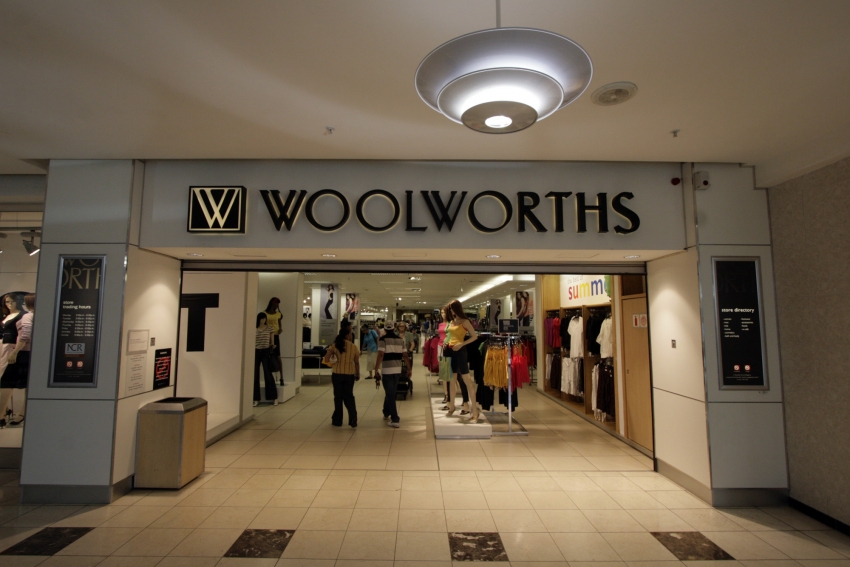
- Woolworths has been told to amend its claim that its farming practices do not harm animals after a consumer challenge.
- The Final Appeal Committee found that the retailer’s wording created a misleading impression about animal welfare in its supply chain.
- References to the internationally recognised Five Freedoms must be clearly shown as goals rather than as standards that have already been met.
The Advertising Regulatory Board’s Final Appeal Committee has ordered Woolworths to change its animal welfare advertising after finding that two statements on its website could mislead people about how animals in its supply chain are treated.
In a ruling dated 11 November 2026, the committee partly upheld an appeal by a consumer, identified only as Ms Russell, against an earlier decision that had dismissed her complaint about the retailer’s sustainability and animal welfare claims. The dispute was about statements published on Woolworths’ website.
One of these said the company was committed to farming in a way that “doesn’t harm people, animals or the environment.” Another statement, available through a website link, said Woolworths was committed to making sure its suppliers treated animals “in the most humane way possible” and worked towards meeting the Five Freedoms of animal welfare.
The Five Freedoms are an internationally recognised framework that describes the ideal state of animal welfare. They include freedom from hunger and thirst, discomfort, pain, injury and disease, fear and distress, and the freedom to express normal behaviour.
Consumer challenges Woolworths’ animal welfare claims
Ms Russell argued that the statement about farming practices sounded like a description of what was happening now rather than an aim to reduce animal suffering. She said that the words “doesn’t harm” gave the impression that animals were not harmed at all, even though there was evidence that at least one abattoir in Woolworths’ pork supply chain, Molare, used carbon dioxide gas to stun pigs before slaughter.
She also challenged the wording of the second statement. She argued that talking about continuous improvement and minimising harm did not change the overall message that suppliers treated animals in the most humane way possible. According to her, consumers look at the general impression created by the advertising, not just at individual words in isolation.
Woolworths disagreed with the complaint, saying it had never claimed that no harm or stress happened during animal production and slaughter. The company said a reasonable consumer would see its statements as showing ongoing efforts to improve animal welfare.
The retailer referred to its partnership with FAI Farms, which does independent third-party audits, as well as animal welfare officers, surveillance cameras and other monitoring measures used to check on animal conditions. Woolworths also said that both CO2 and electrical stunning are lawful and internationally recognised methods, and stressed its commitment to continuous improvement.
Appeal committee finds the wording misleading
The Directorate of the Advertising Regulatory Board first dismissed the complaint on 20 March 2026, saying the statements did not break the advertising code. The Advertising Appeals Committee then dismissed Ms Russell’s appeal on 20 July 2026.
The Appeals Committee found that the Five Freedoms were an aspirational standard and that Woolworths’ references to working towards them did not count as an absolute claim.
But the Final Appeal Committee found that the earlier decisions had not properly addressed the difference between reducing harm and claiming that no harm happens. The committee said the sustainable farming statement could not be seen as aspirational because its wording described existing practices. “The word ‘doesn’t’ goes too far,” the committee said.
The committee explained that even Woolworths had said its goal was to minimise and reduce suffering, not to eliminate all harm. It also rejected Woolworths’ argument that the statement referred only to farming and not to slaughter. It found that the wording did not make that distinction, and that the website link took consumers to a statement about animals throughout the whole supply chain.
The committee said consumers would not necessarily separate farming from slaughter when reading the claims. It found the sustainable farming statement was likely to mislead people and broke the Code of Advertising Practice.
Five Freedoms claim must be clearly aspirational
Although the committee accepted that Woolworths could make claims about working towards the Five Freedoms, it said the wording needed to make this clear. The committee agreed with Ms Russell that consumers pay attention to the overall impression created by an advert, not just to qualifying words like “aiming”, “working towards” or “minimising”.
The committee said that promising animals were treated in “the most humane way possible” gave the impression that the welfare standards had already been achieved. The committee also said that whether CO2 stunning was legal was not the main issue.
“The ARB enforces the code, not the law,” the committee said, adding that the real question was whether the advertising was likely to mislead consumers.
The committee said Woolworths could keep referring to the Five Freedoms as long as it made it clear that this is something it aims to achieve. It suggested using wording like ‘aims to align with the Five Freedoms’ and a commitment to keep looking for ways to improve animal welfare.
Woolworths ordered to change website statements
The Final Appeal Committee partly upheld the appeal and set aside the earlier ruling where it did not match these findings. It ordered Woolworths to change the sustainable farming statement so that it talks about minimising or reducing harm, rather than saying its farming practices cause no harm.
The retailer must also make sure its Five Freedoms claims are clearly shown as goals, and that no other assurances in the same section suggest the standards have already been met.
Woolworths must make these changes within the time set out by the Advertising Regulatory Board’s Procedural Guide, and the company was told not to use the claims in their current form in any other advertising.
The ruling was issued by committee chairperson Judge S Weiner, with Martin Neethling, Gareth Leck and Chris Borain as members.
Get your news on the go. Click here to follow the Conviction WhatsApp channel.
